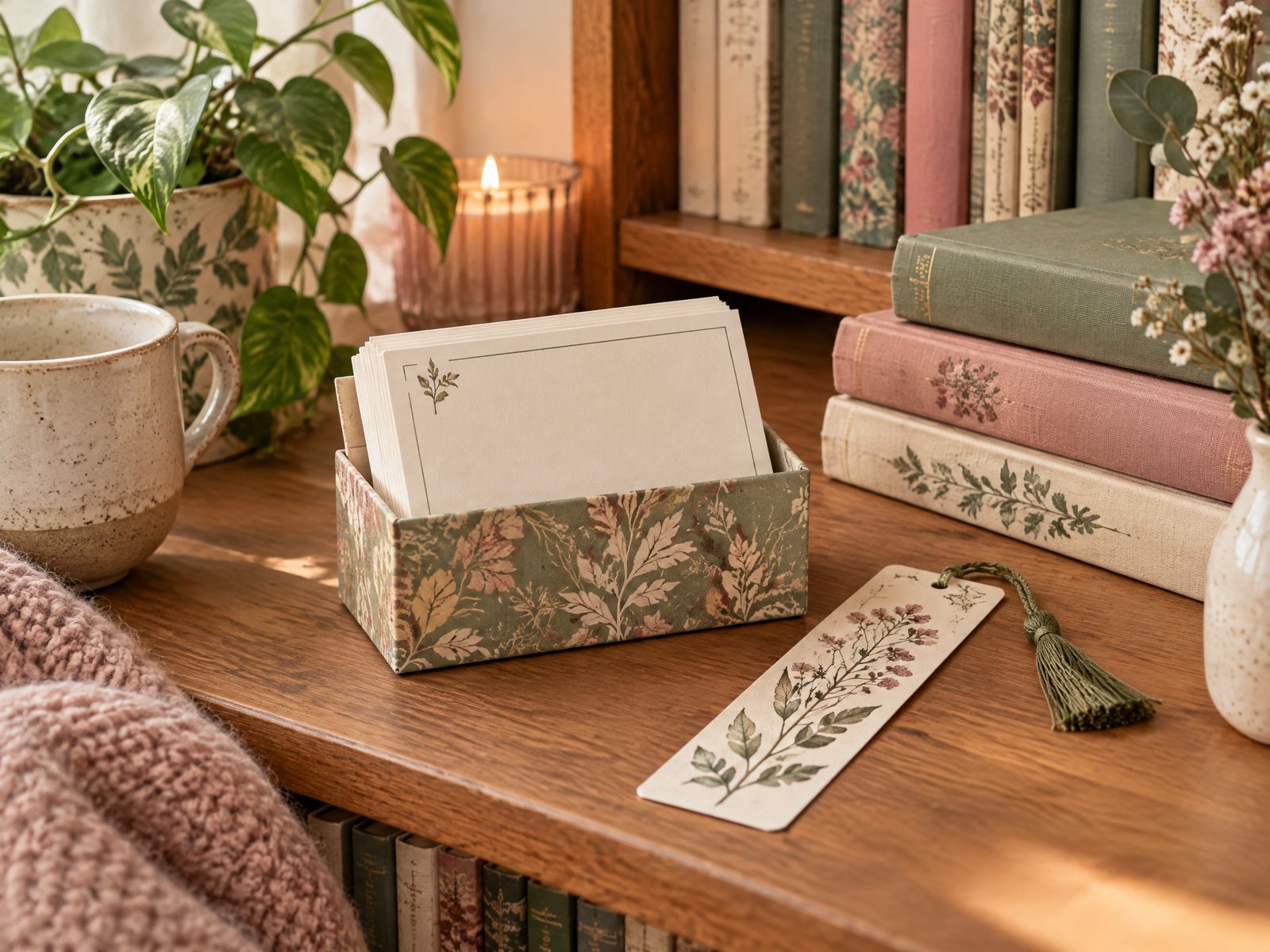
Botanical Motifs in the Farouk Book Store Edit
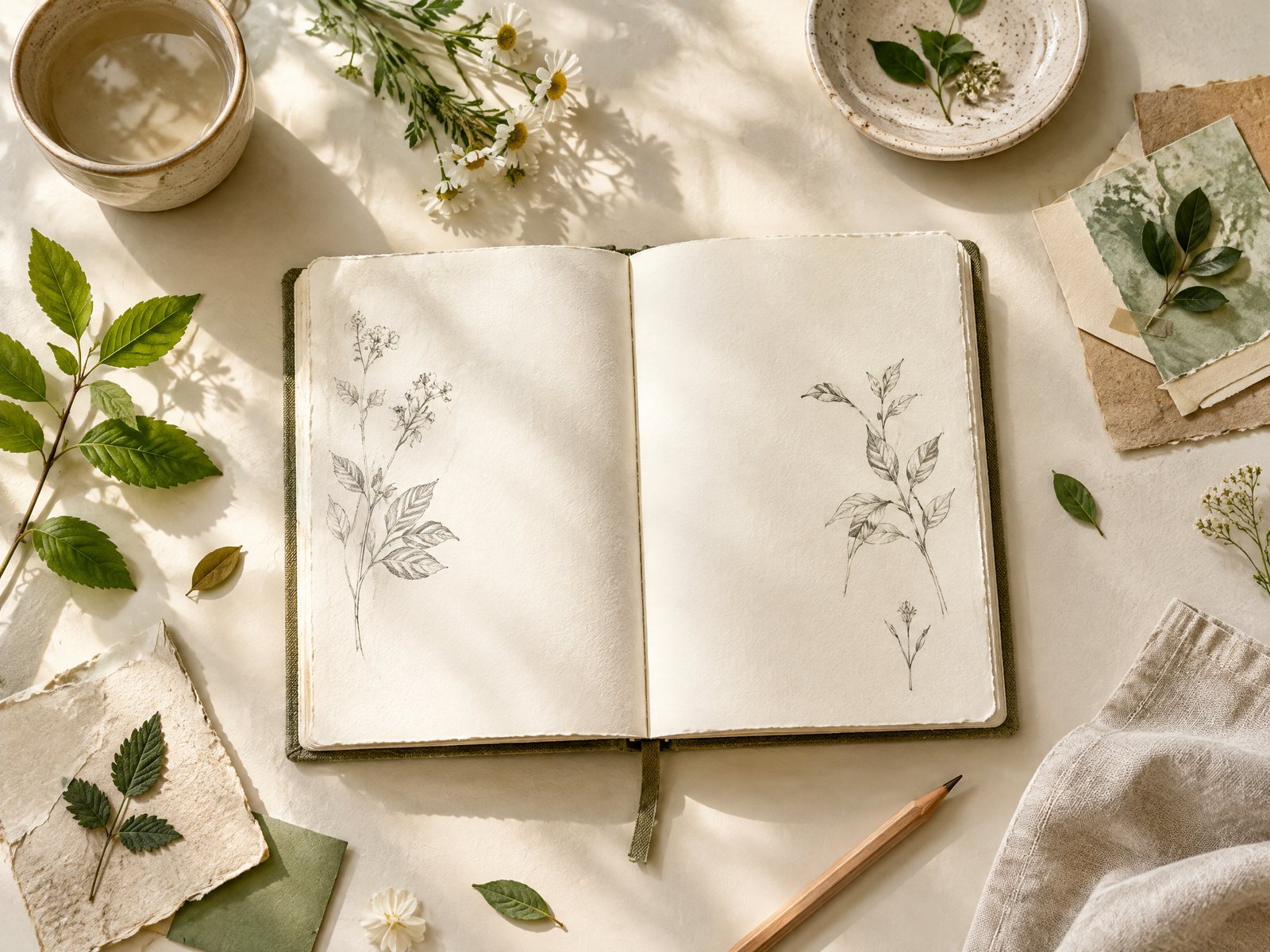
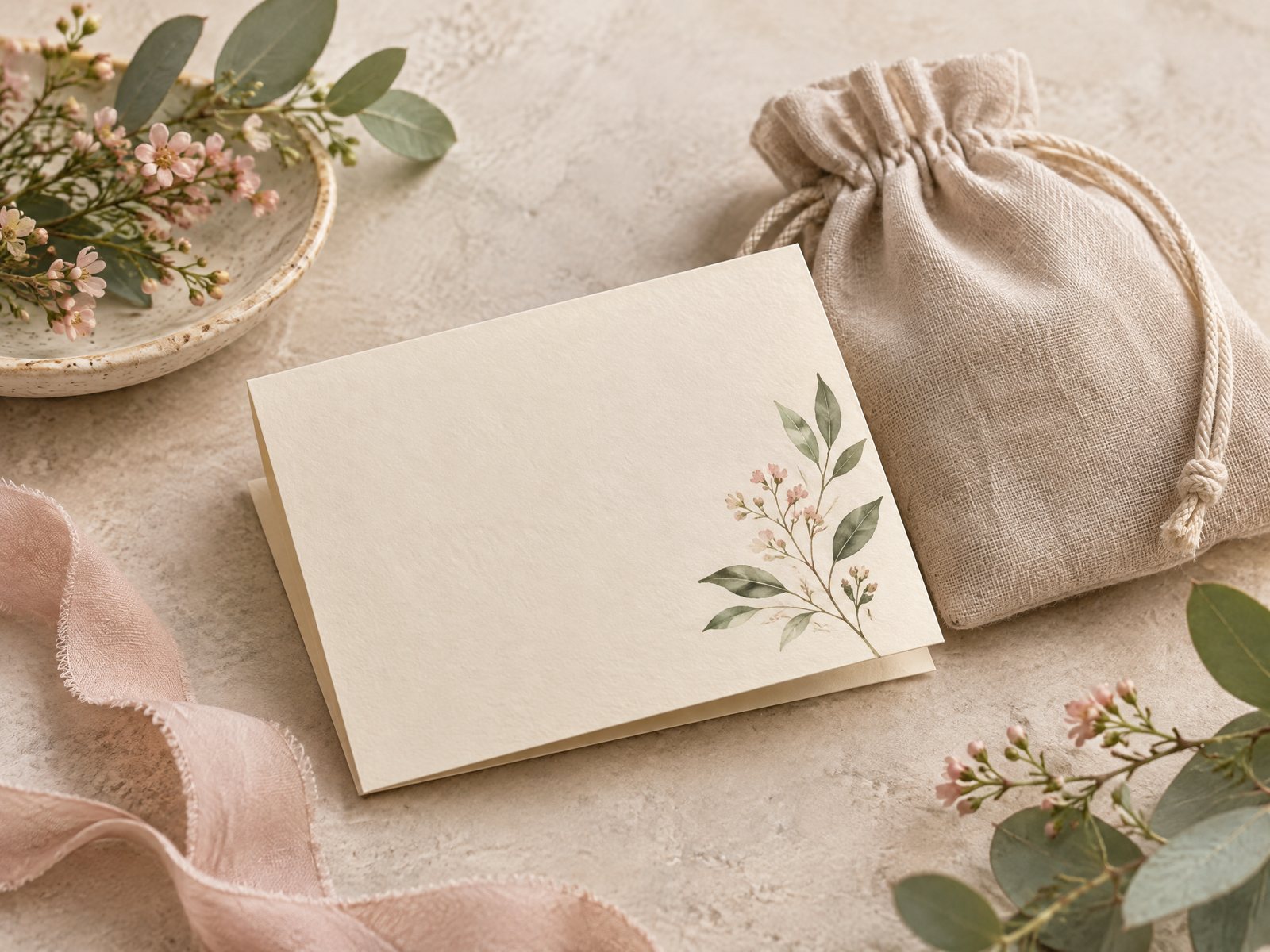
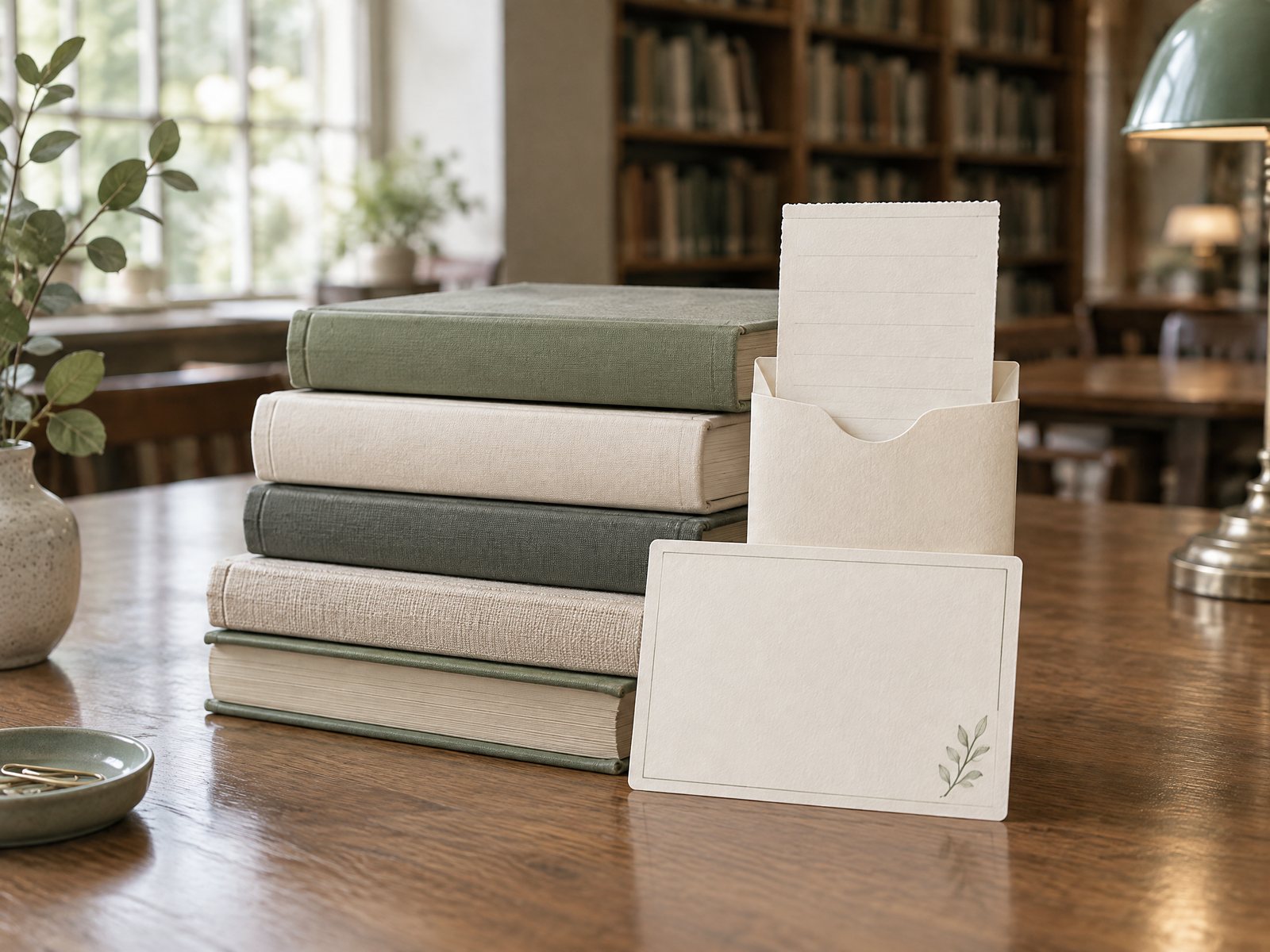
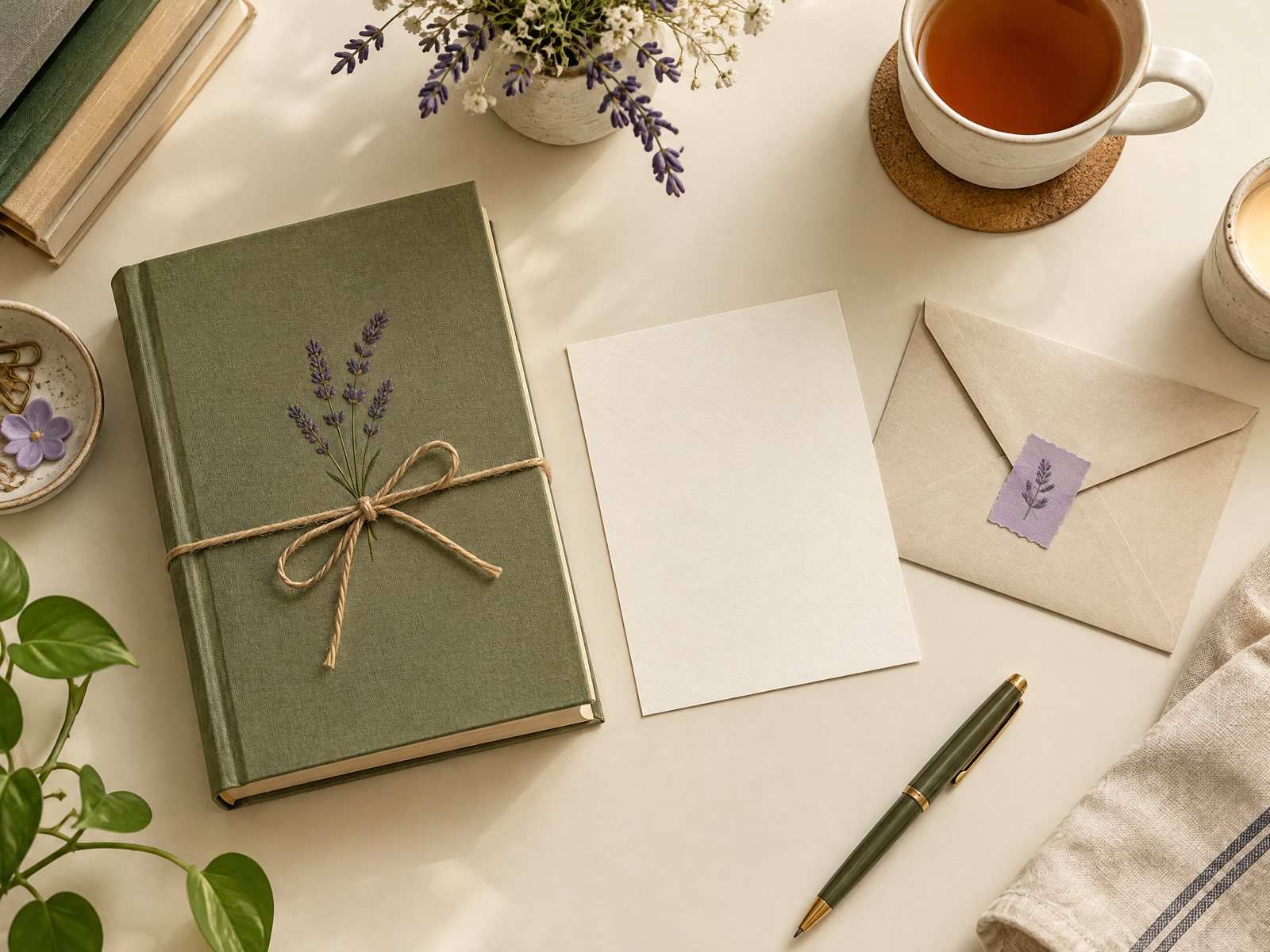
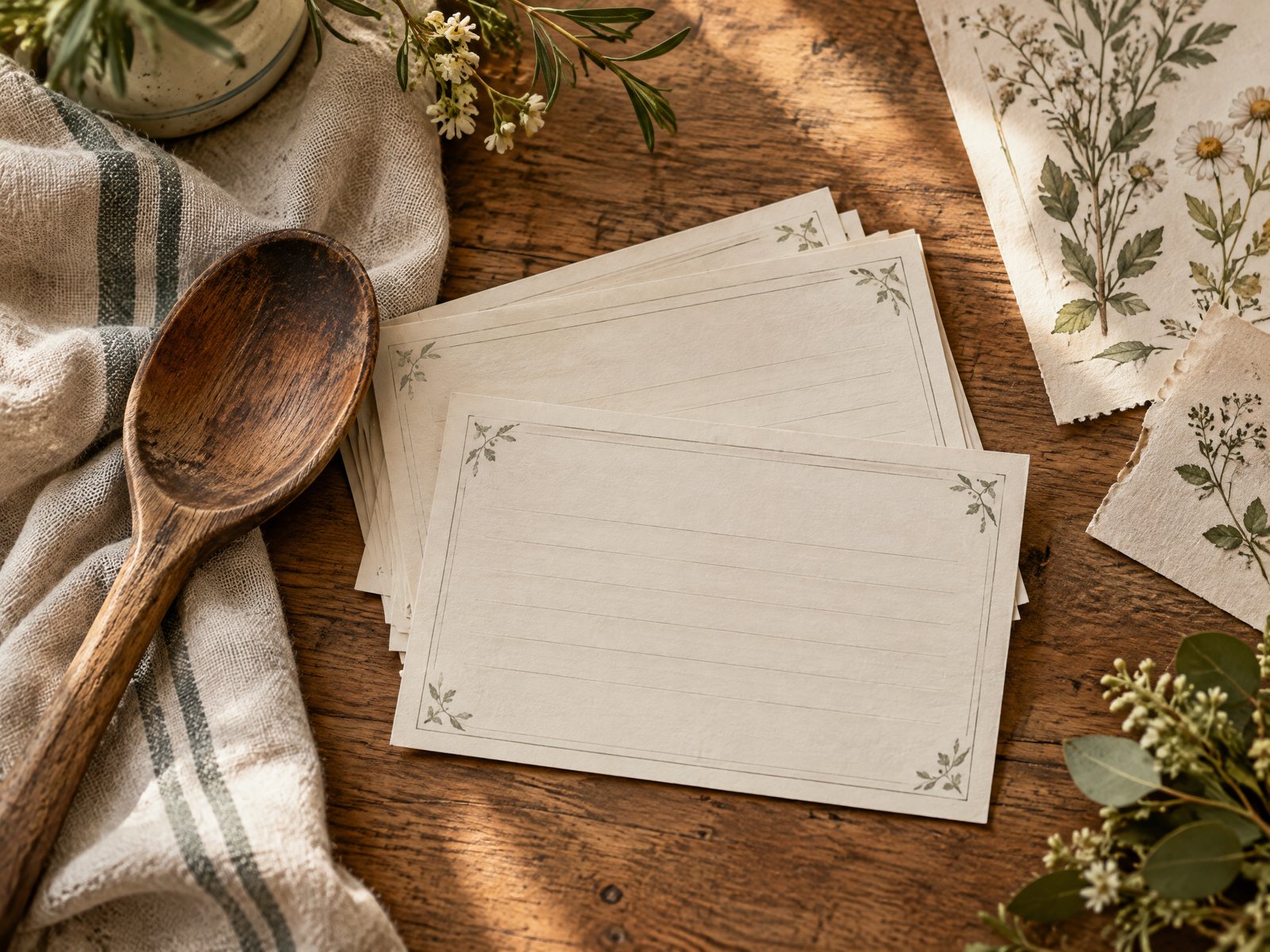
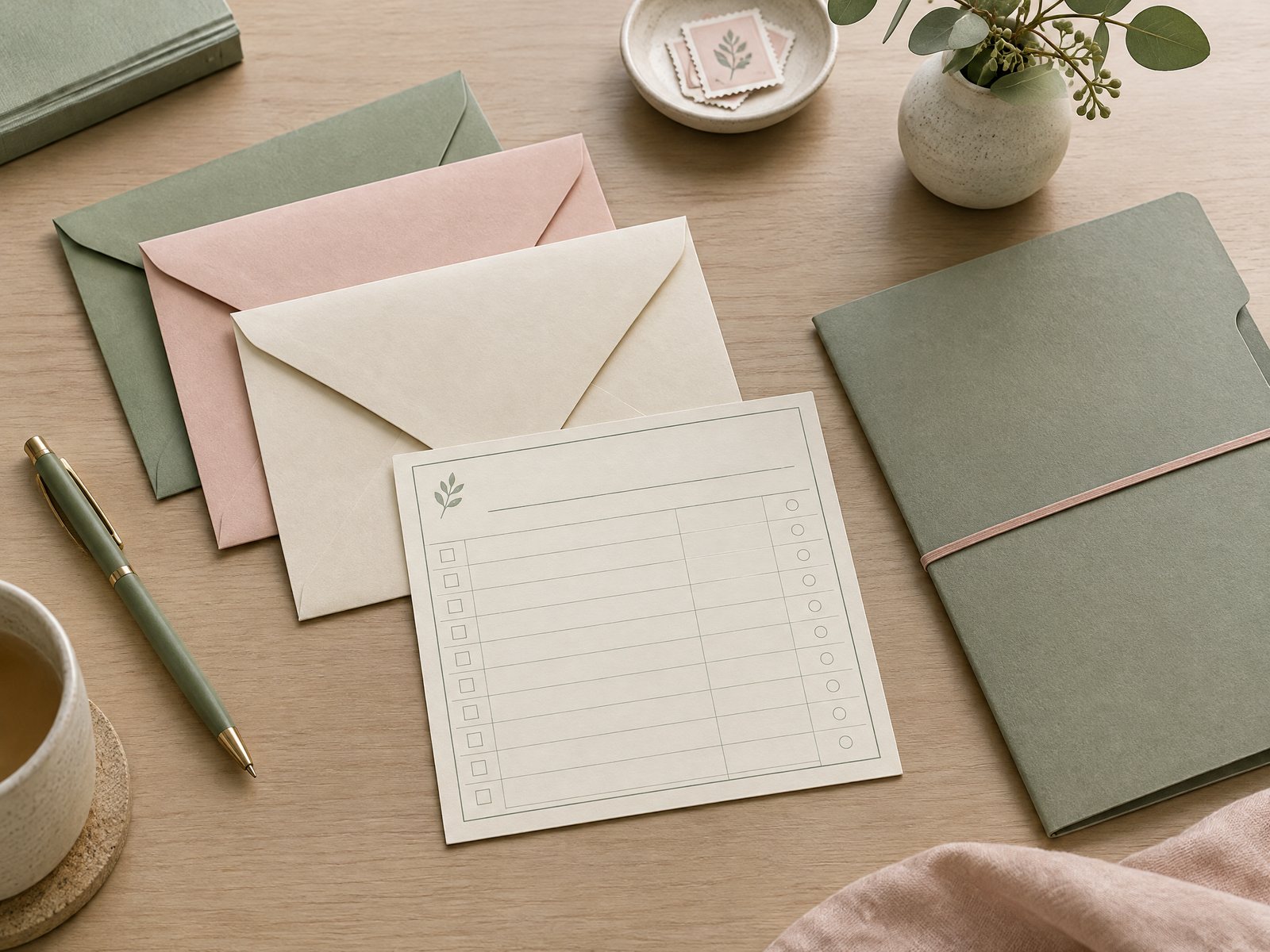
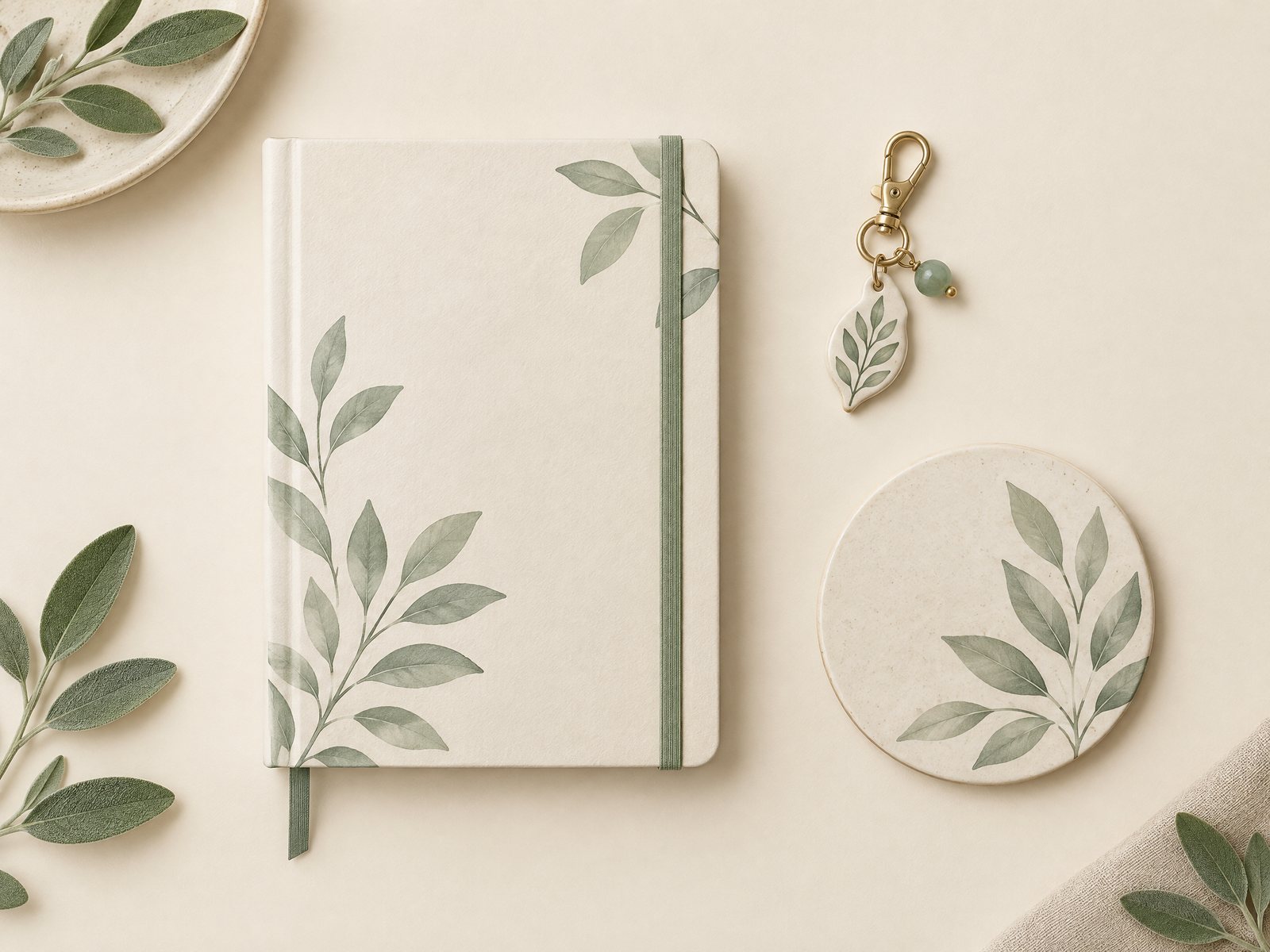
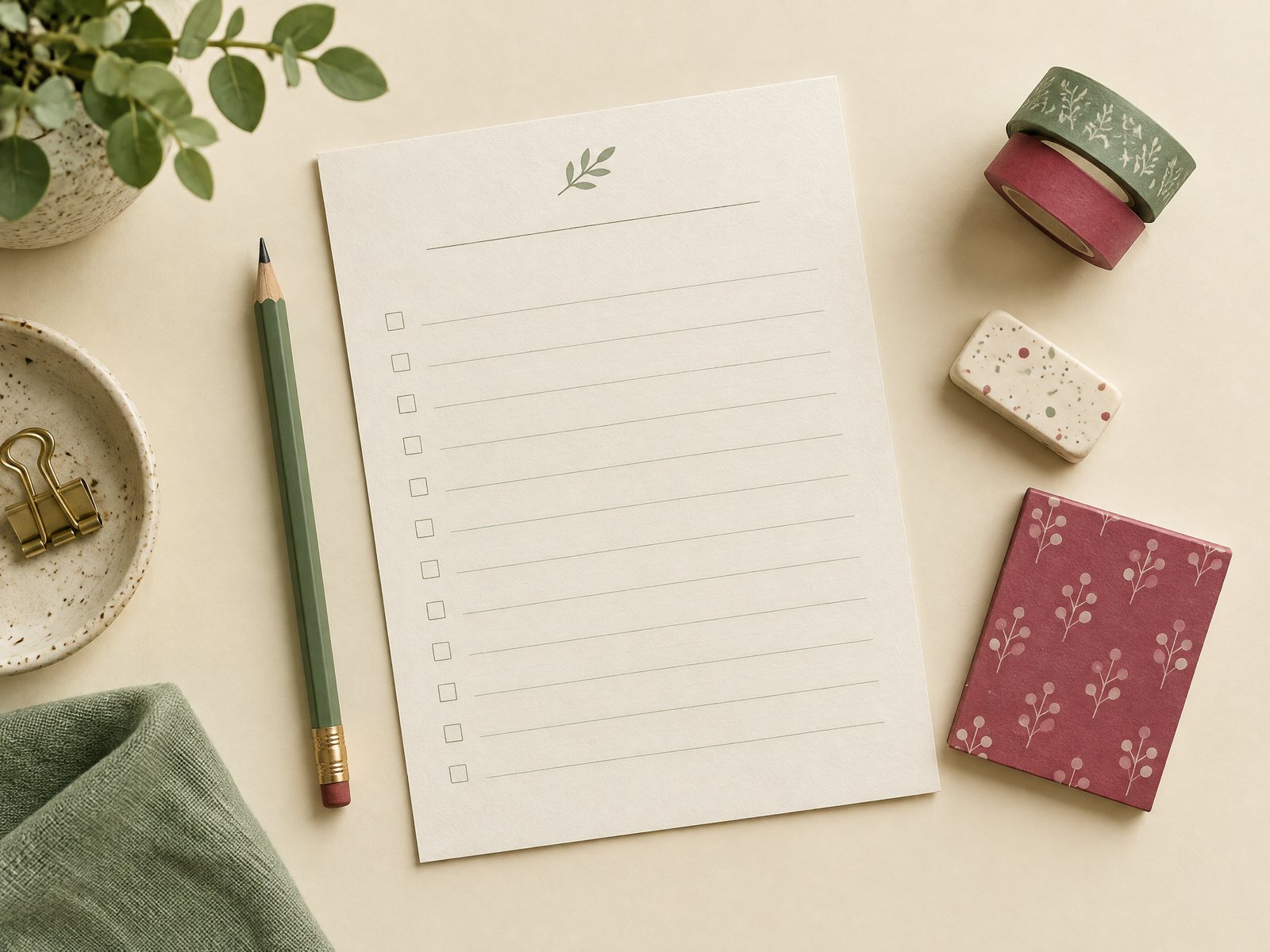
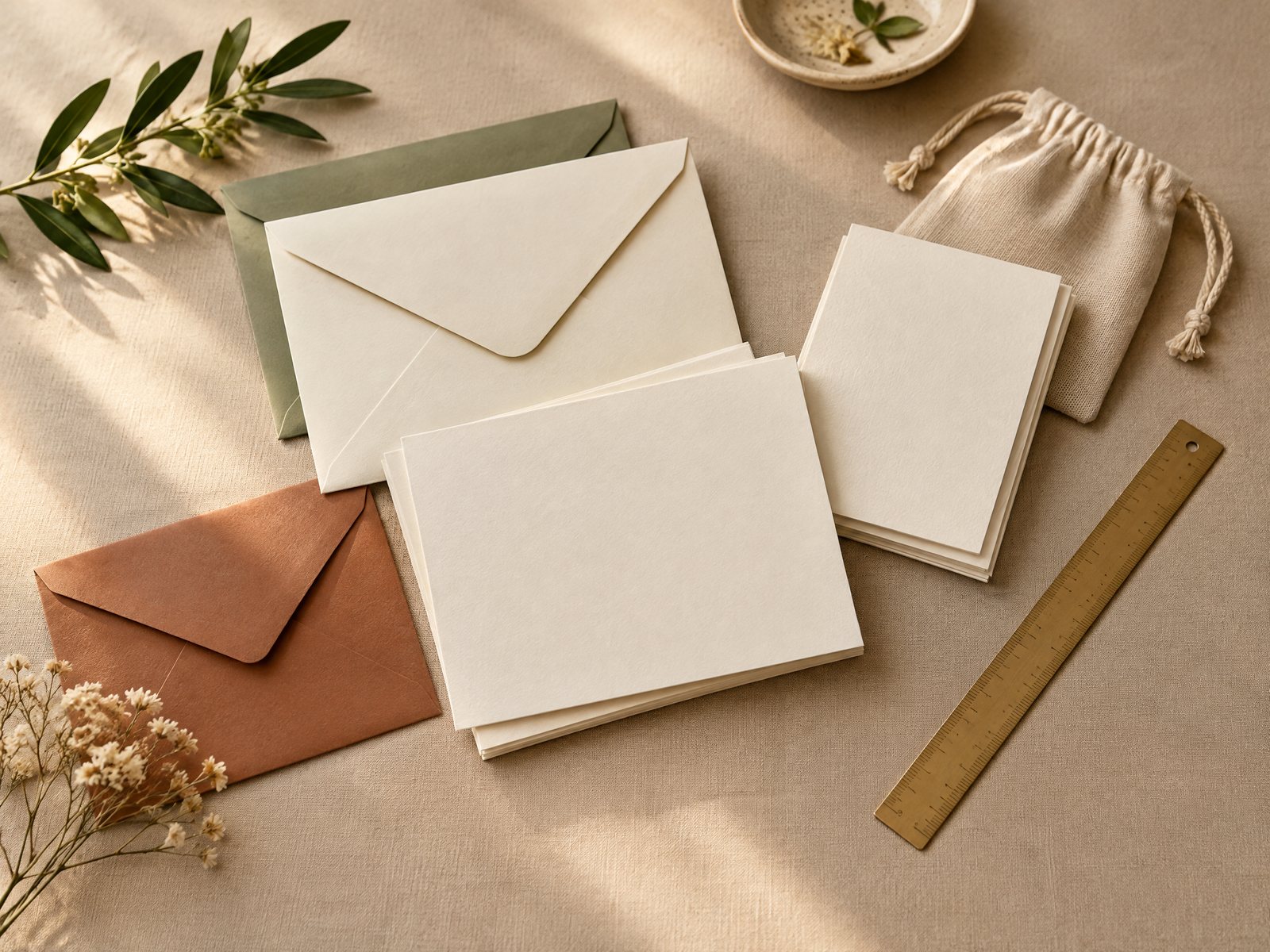
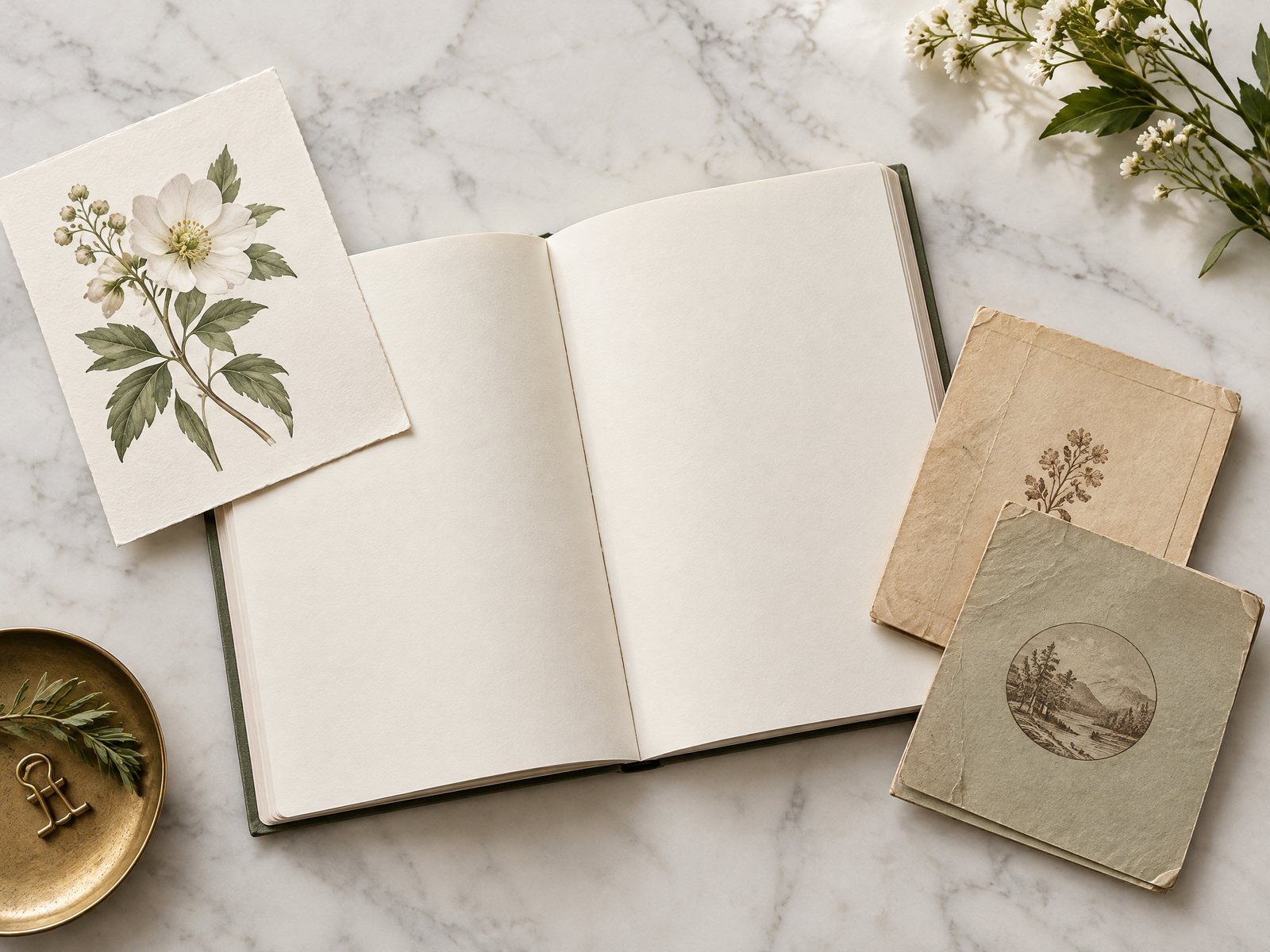
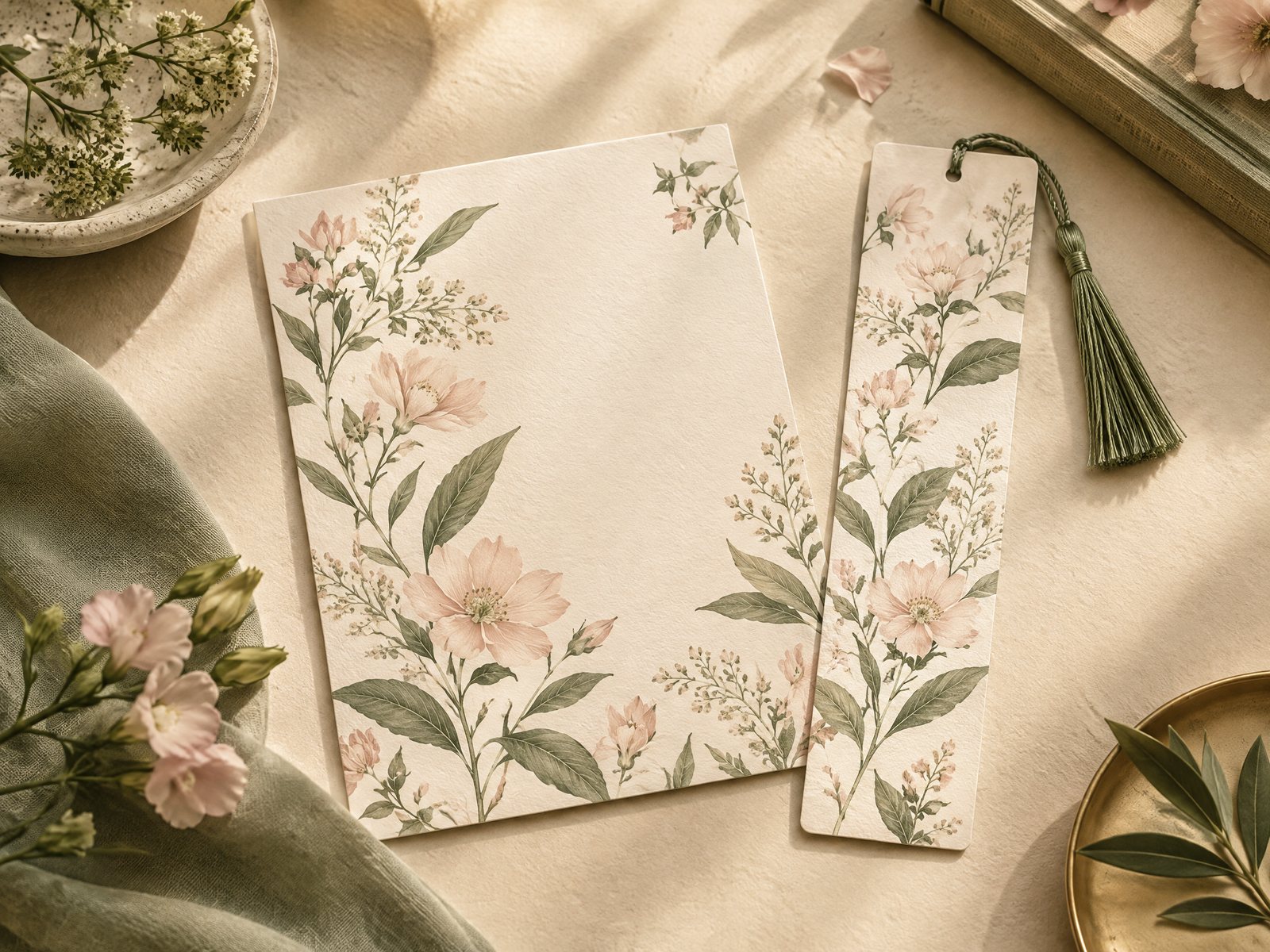
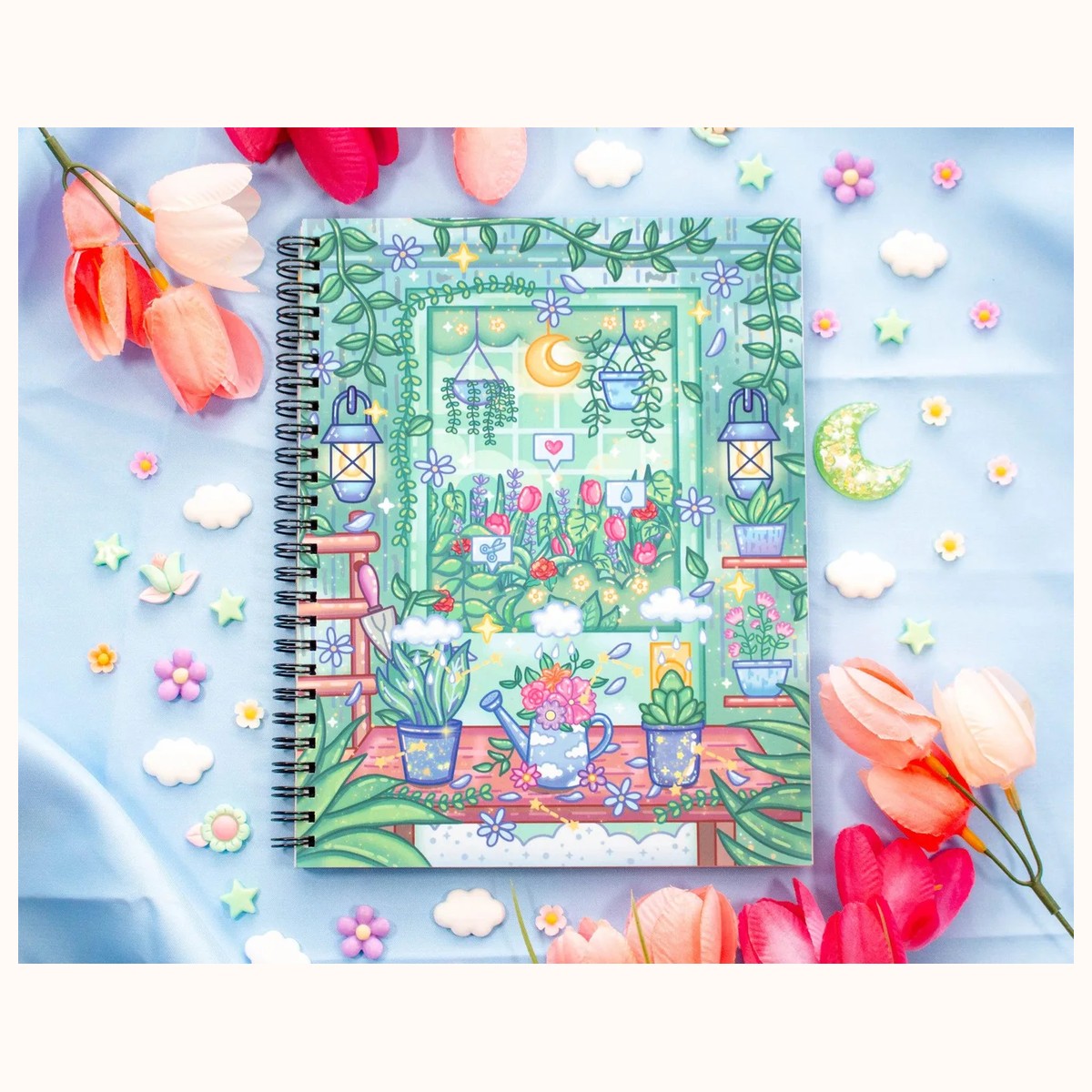
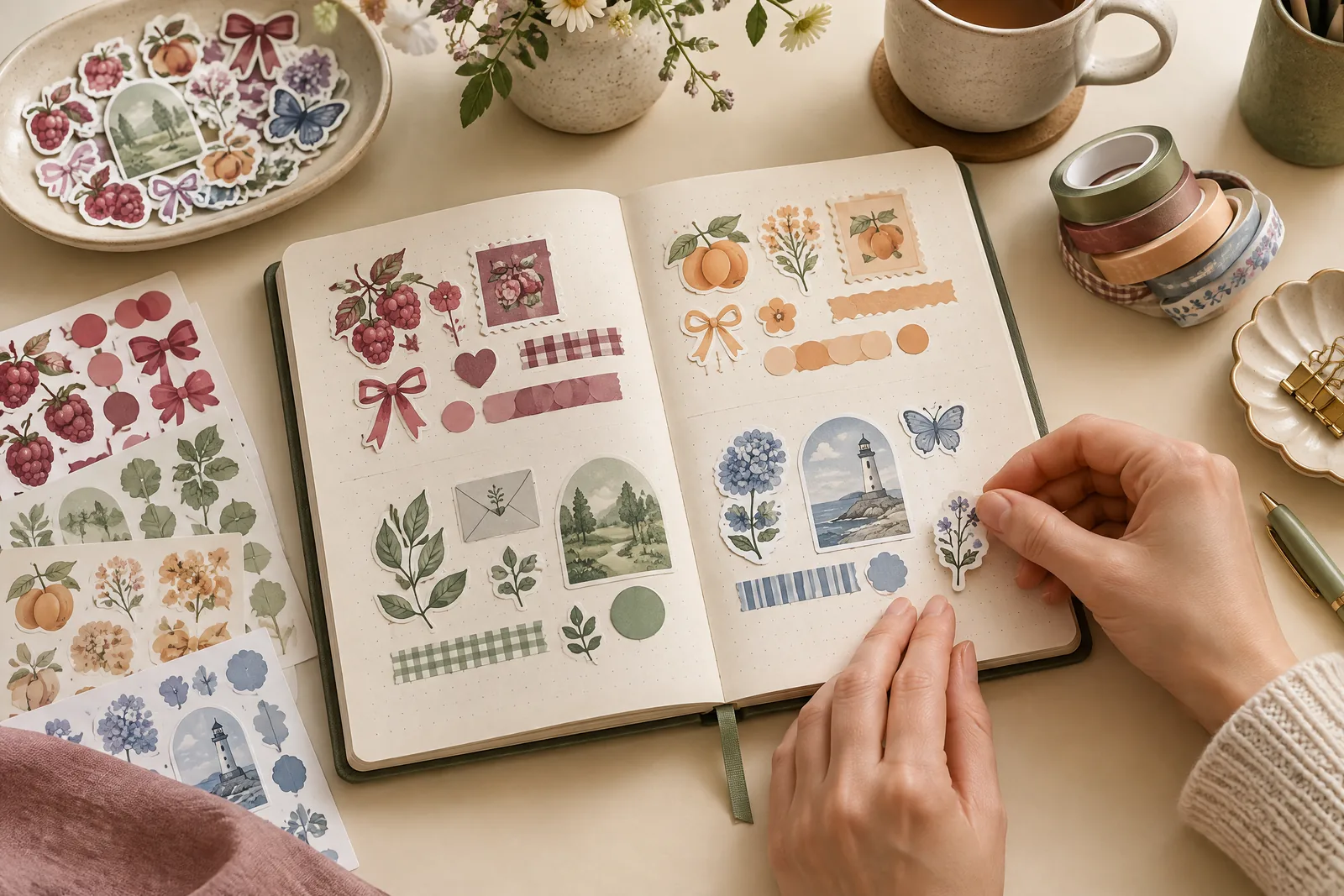
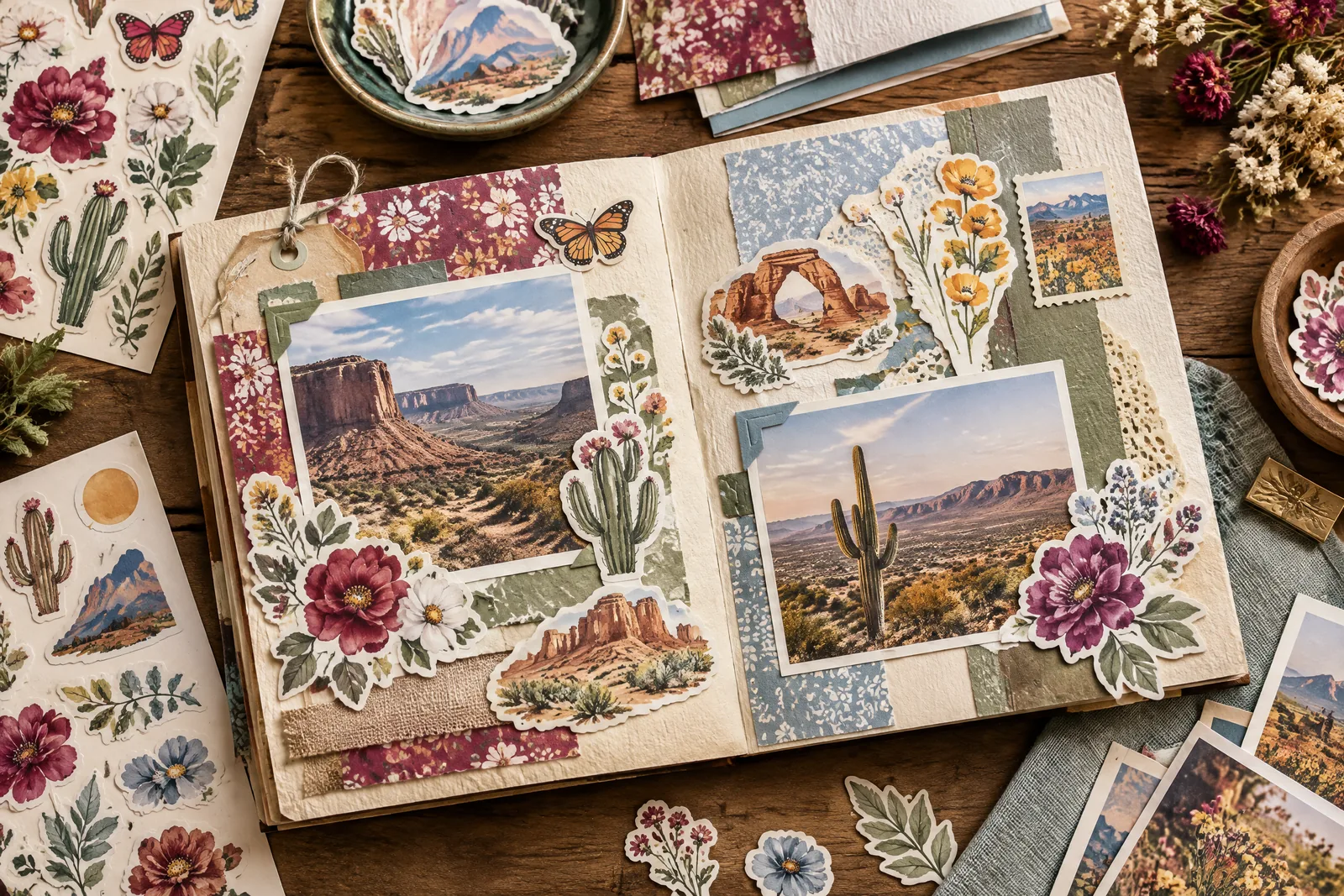
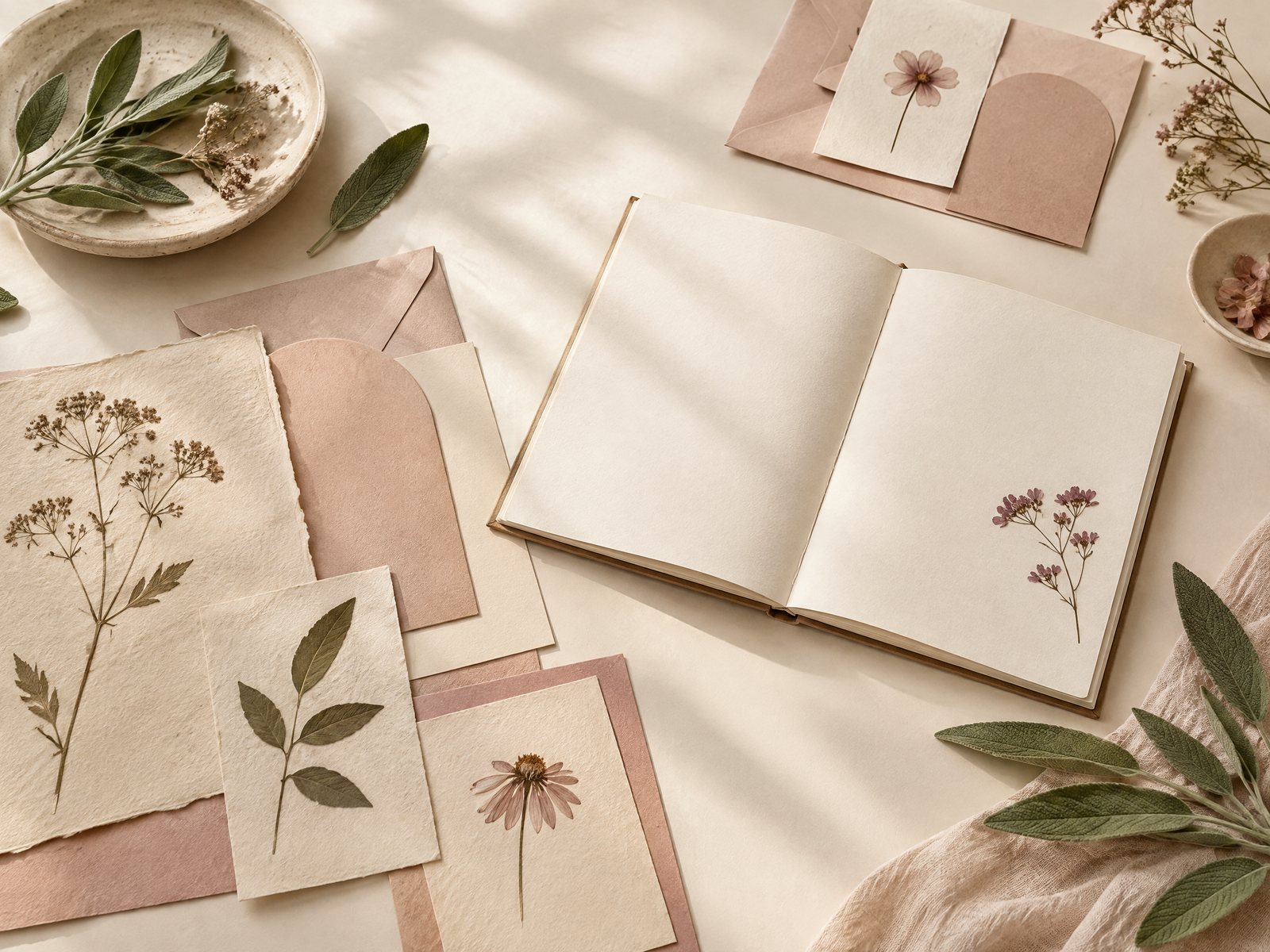
Leaf, flower, and plant motifs can make a stationery selection feel connected without making every piece match. Here is how to build a botanical edit with proportion, contrast, and purpose.

Free U.S. shipping on orders $45+ · Thoughtful goods, packed with care in Arizona
Creative rituals, heartfelt gifting, and all the little details that make paper goods matter.


Start with the occasion instead of browsing every shelf. This practical guide turns a moment, recipient, and use into a short Farouk Book Store shortlist.
2026-10-16 · 8 min readRead the story
Leaf, flower, and plant motifs can make a stationery selection feel connected without making every piece match. Here is how to build a botanical edit with proportion, contrast, and purpose.


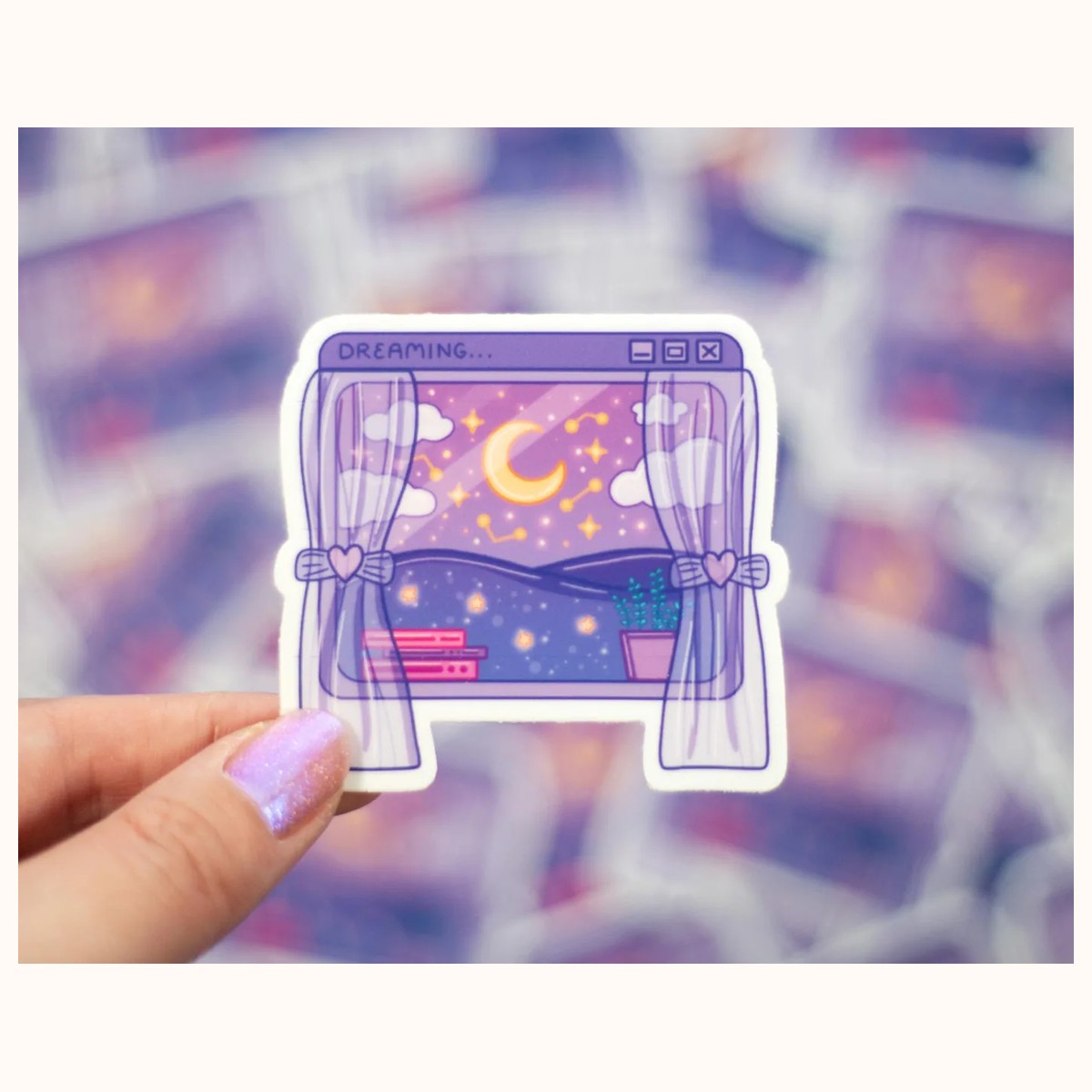
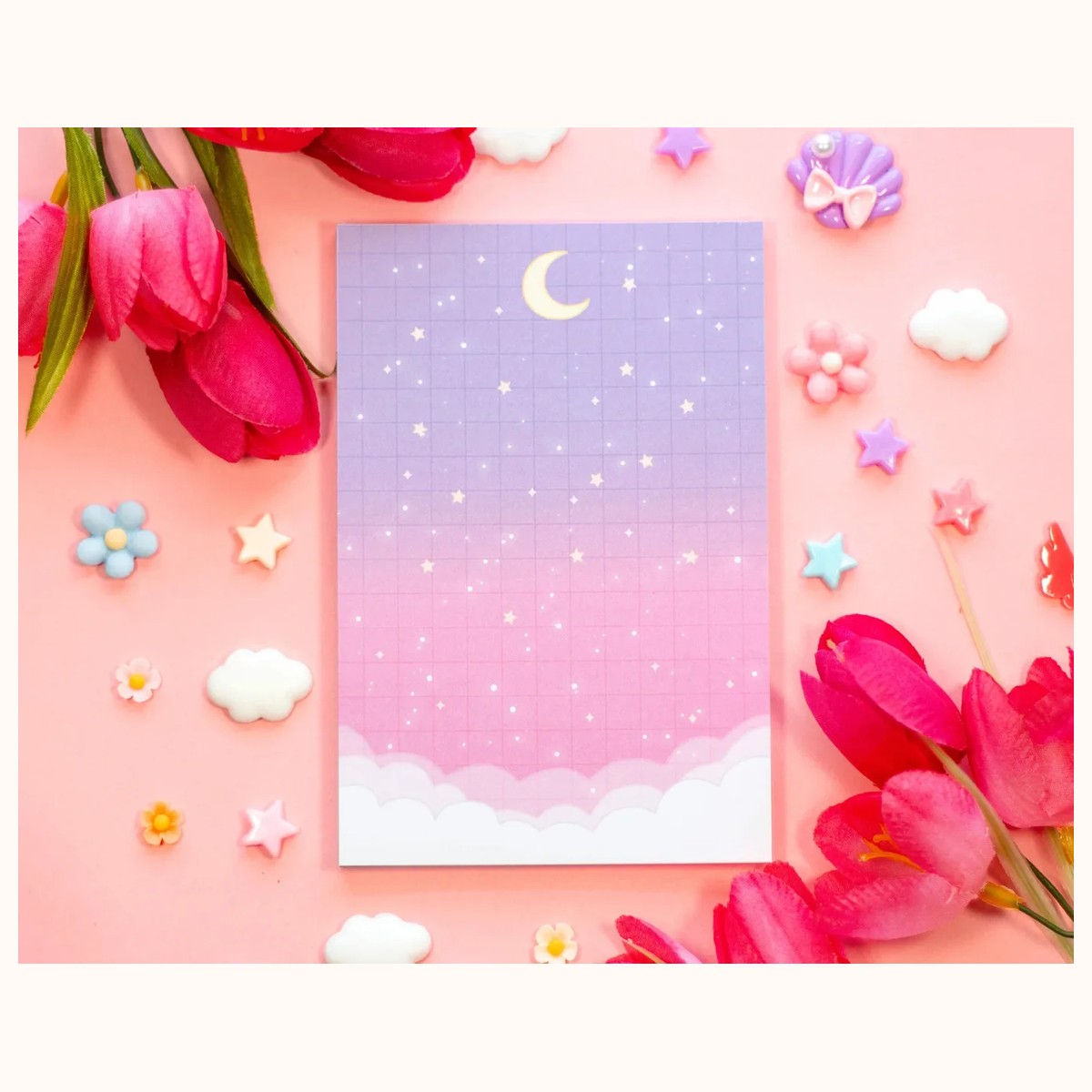
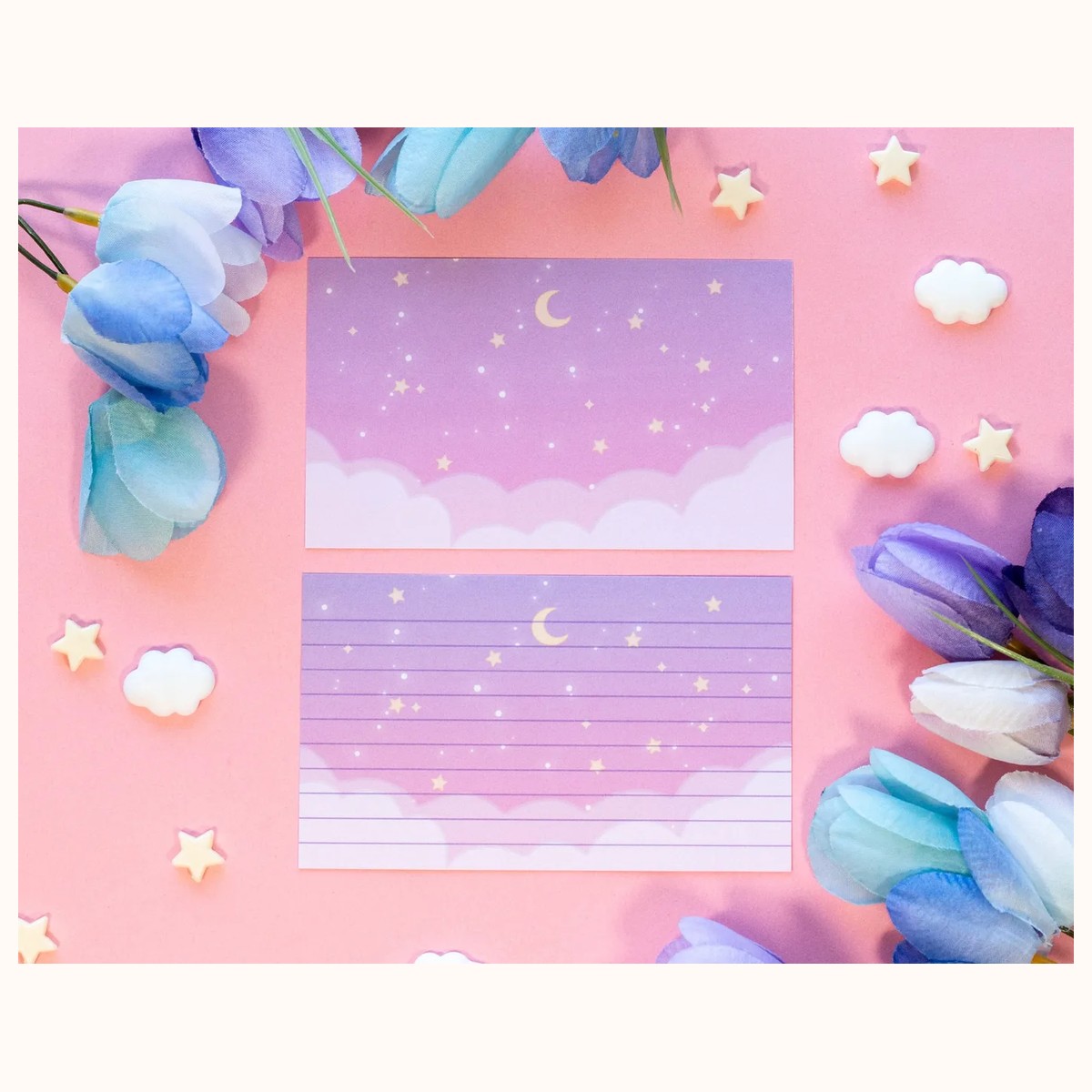
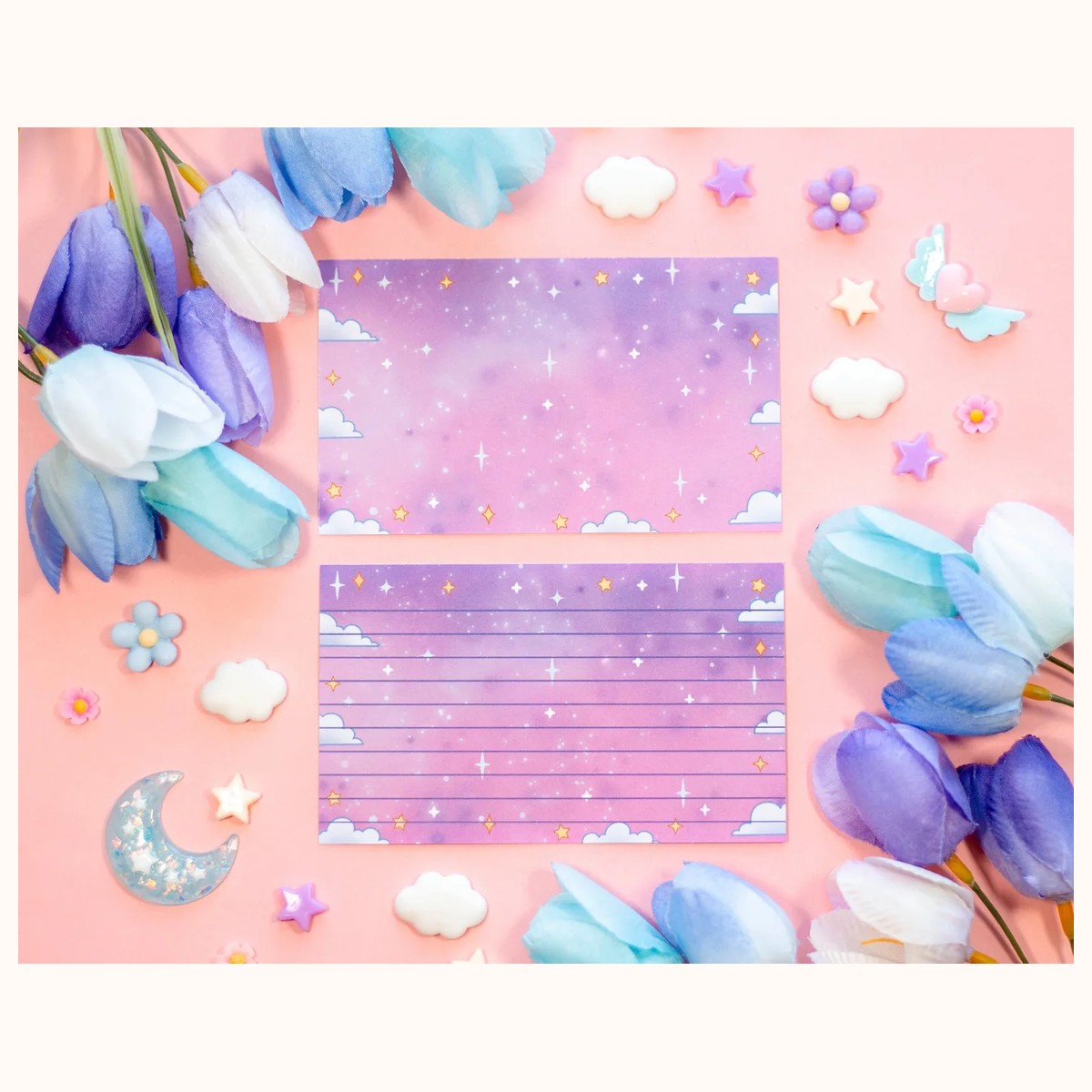
Moon and star motifs can feel dreamy, quiet, or playful depending on their color and scale. Use this Farouk Book Store edit to build a coherent celestial paper selection.

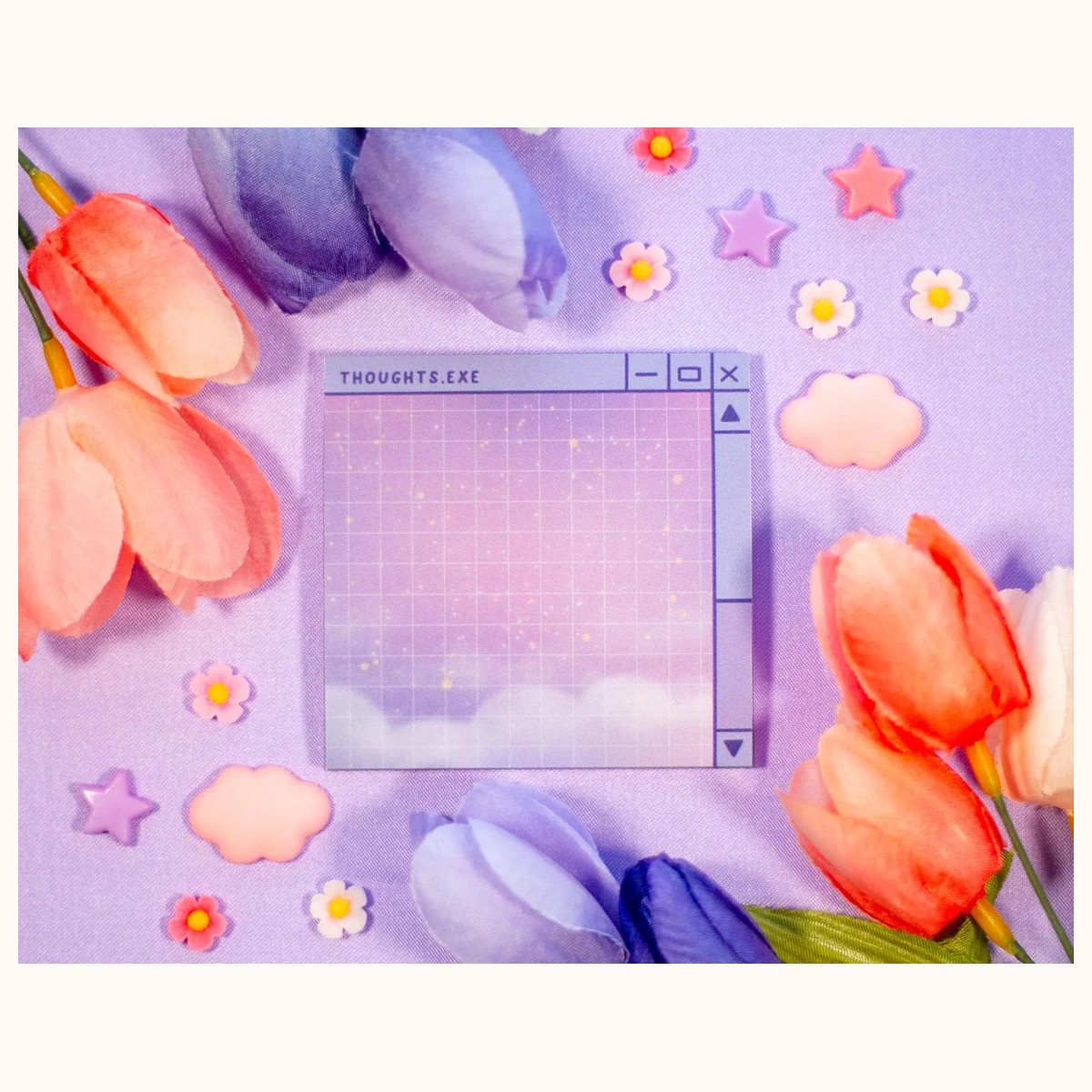
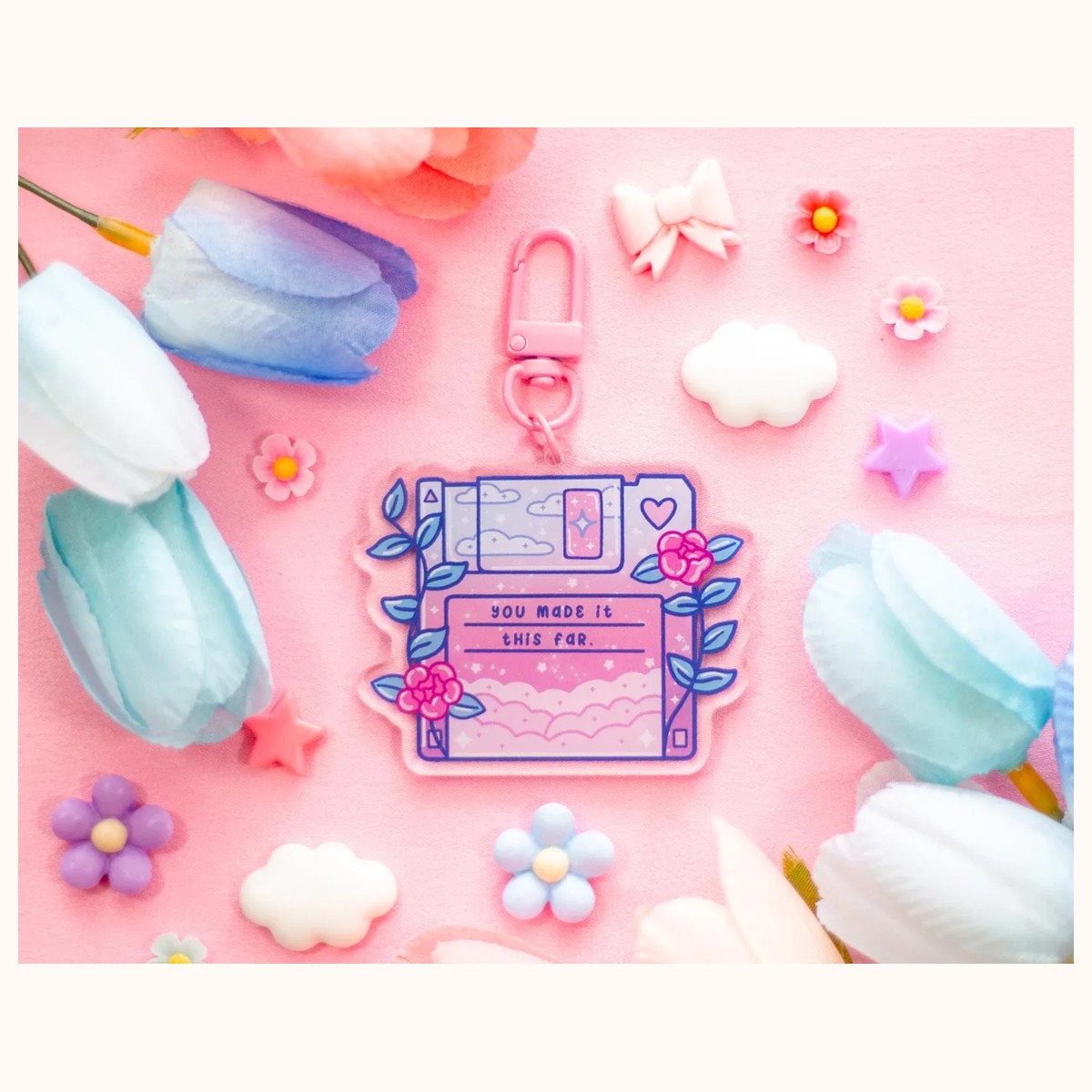
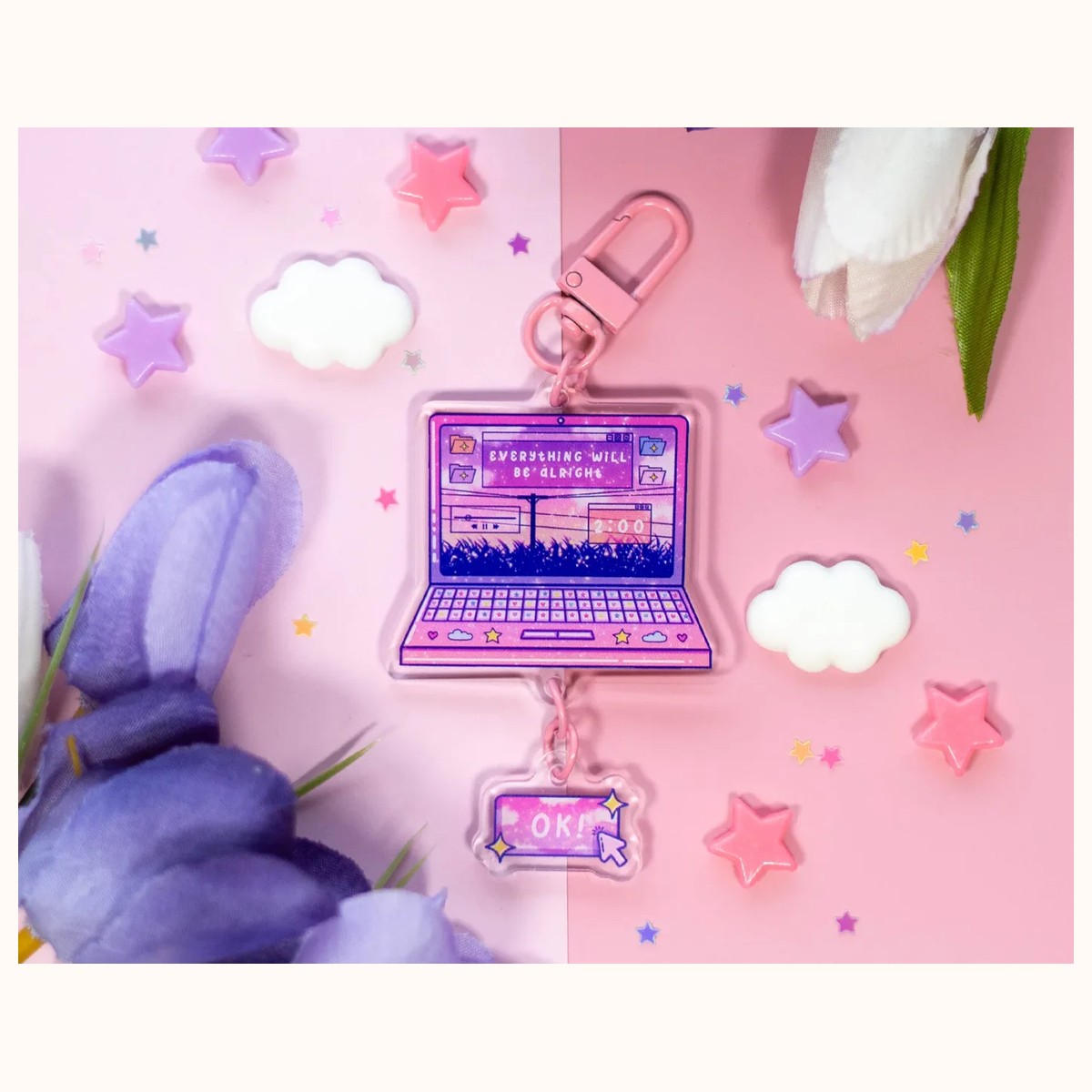
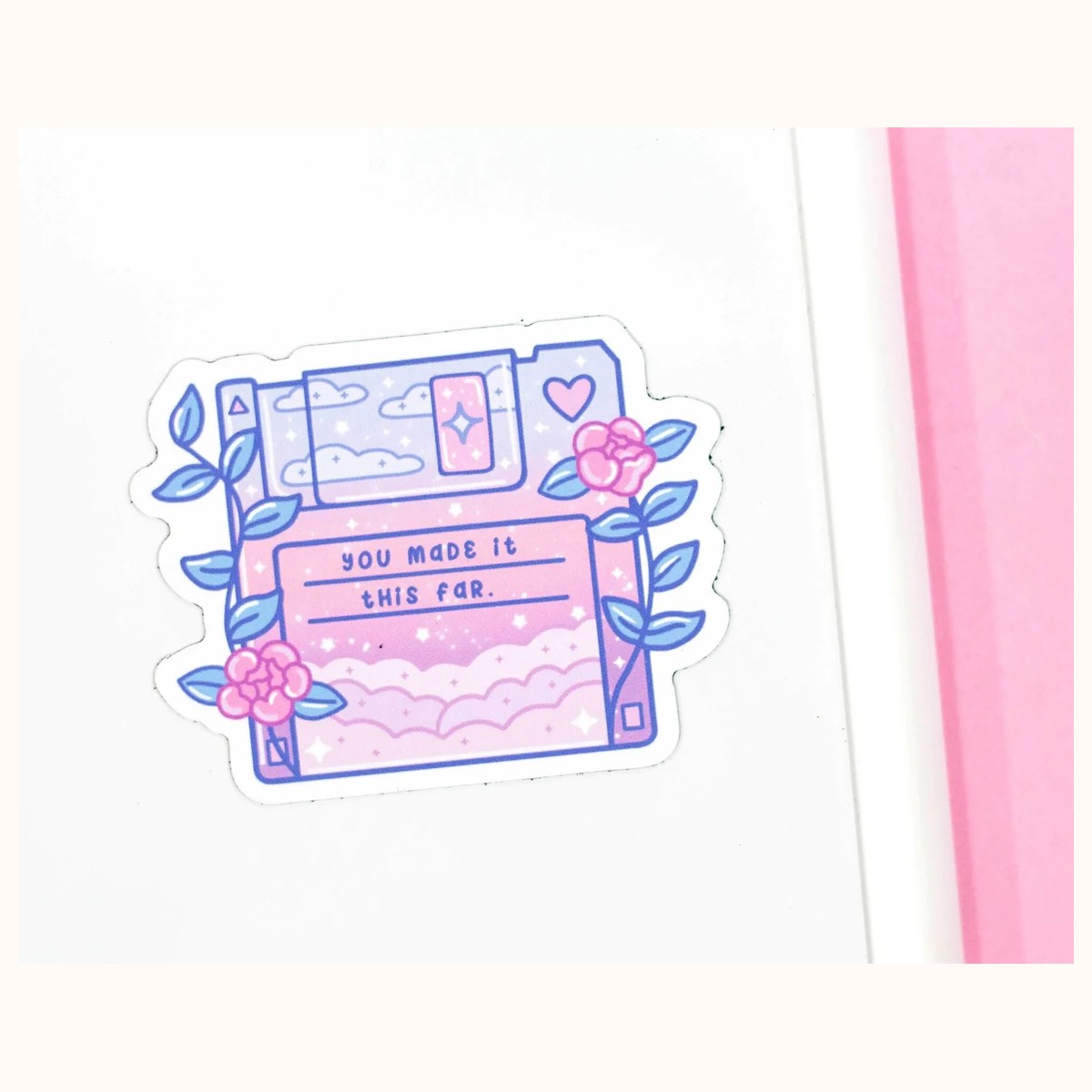
Retro computer and floppy-disk imagery can make a small accessory feel instantly recognizable. Here is how to build a restrained or playful Farouk edit without letting nostalgia become visual clutter.

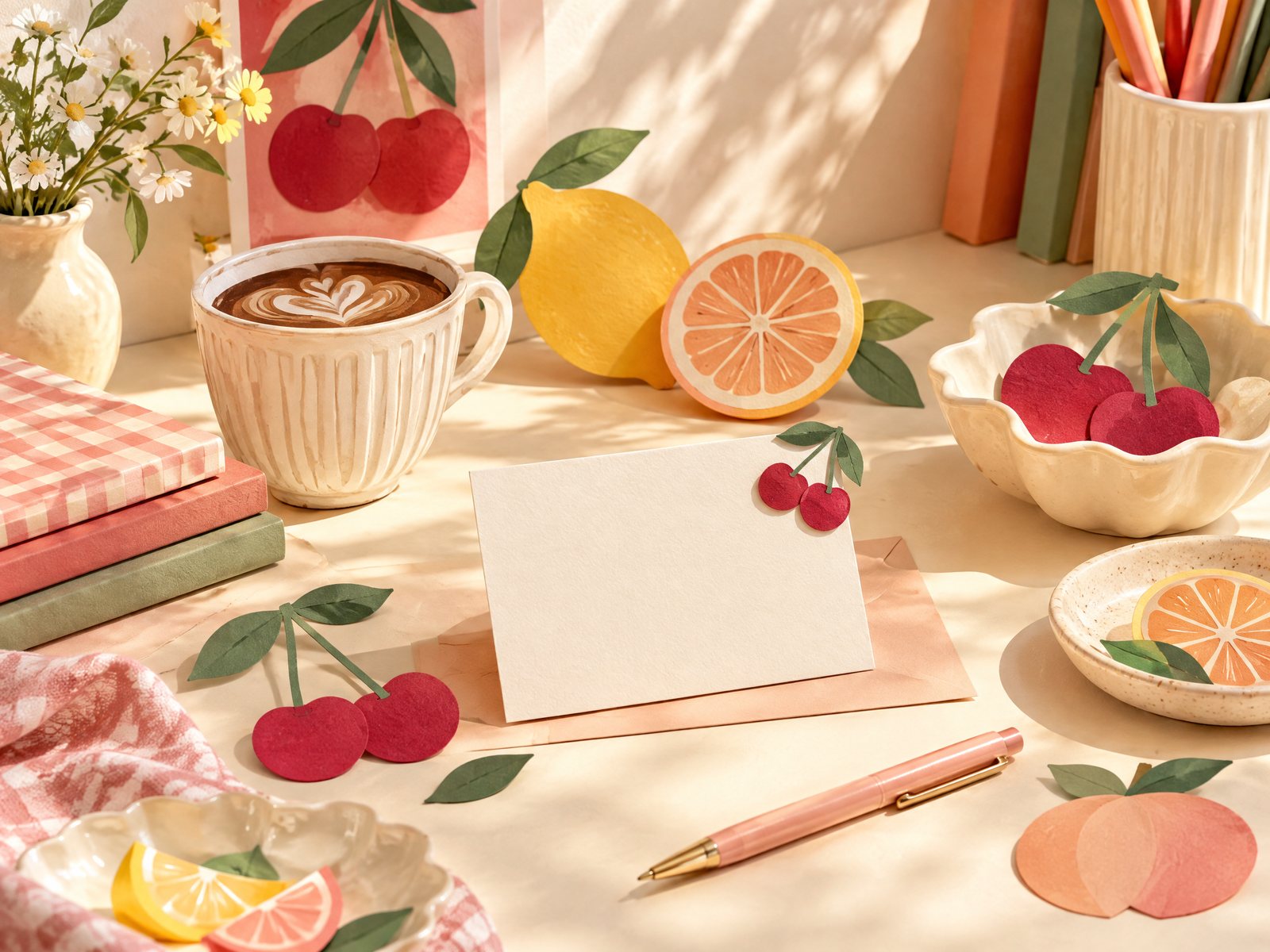
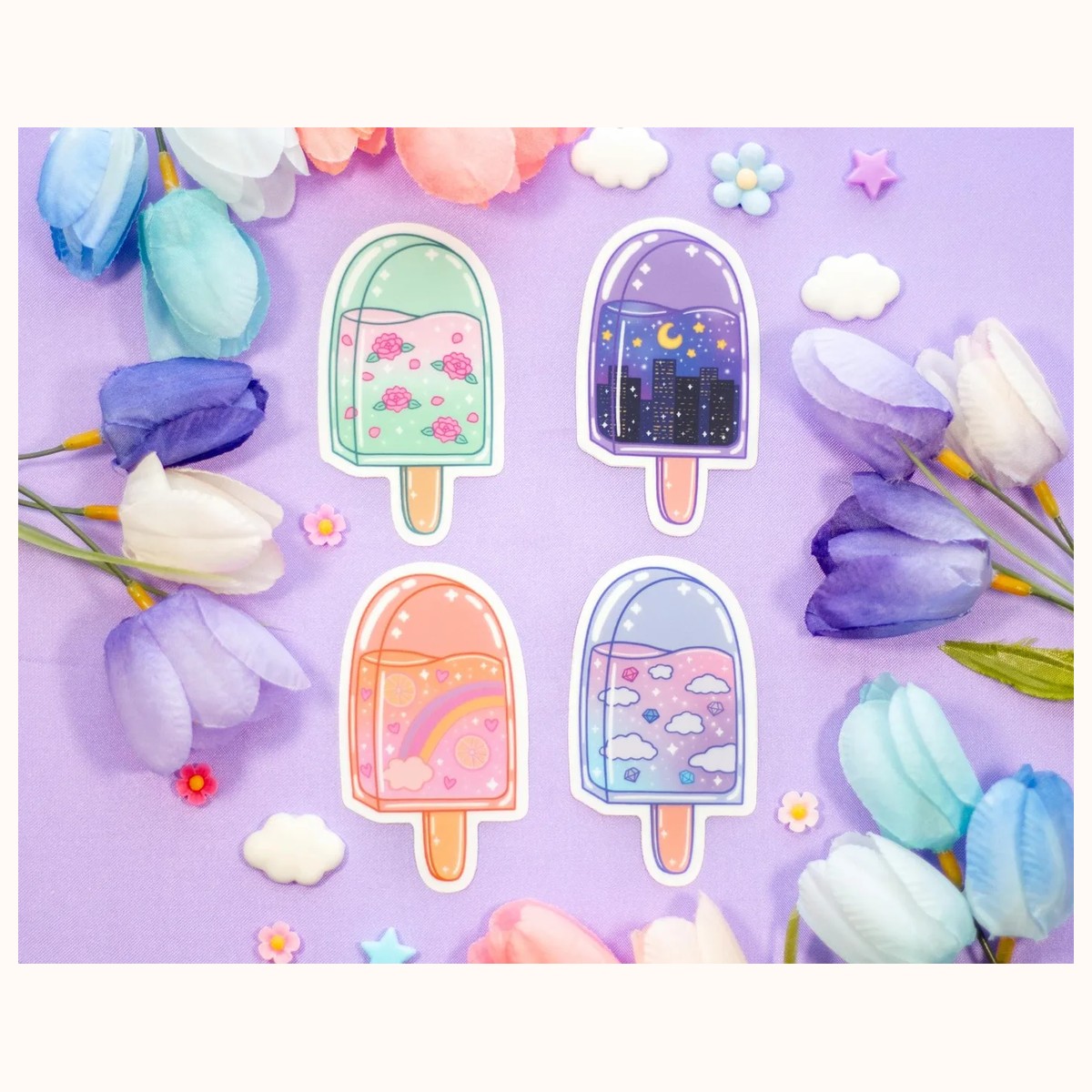
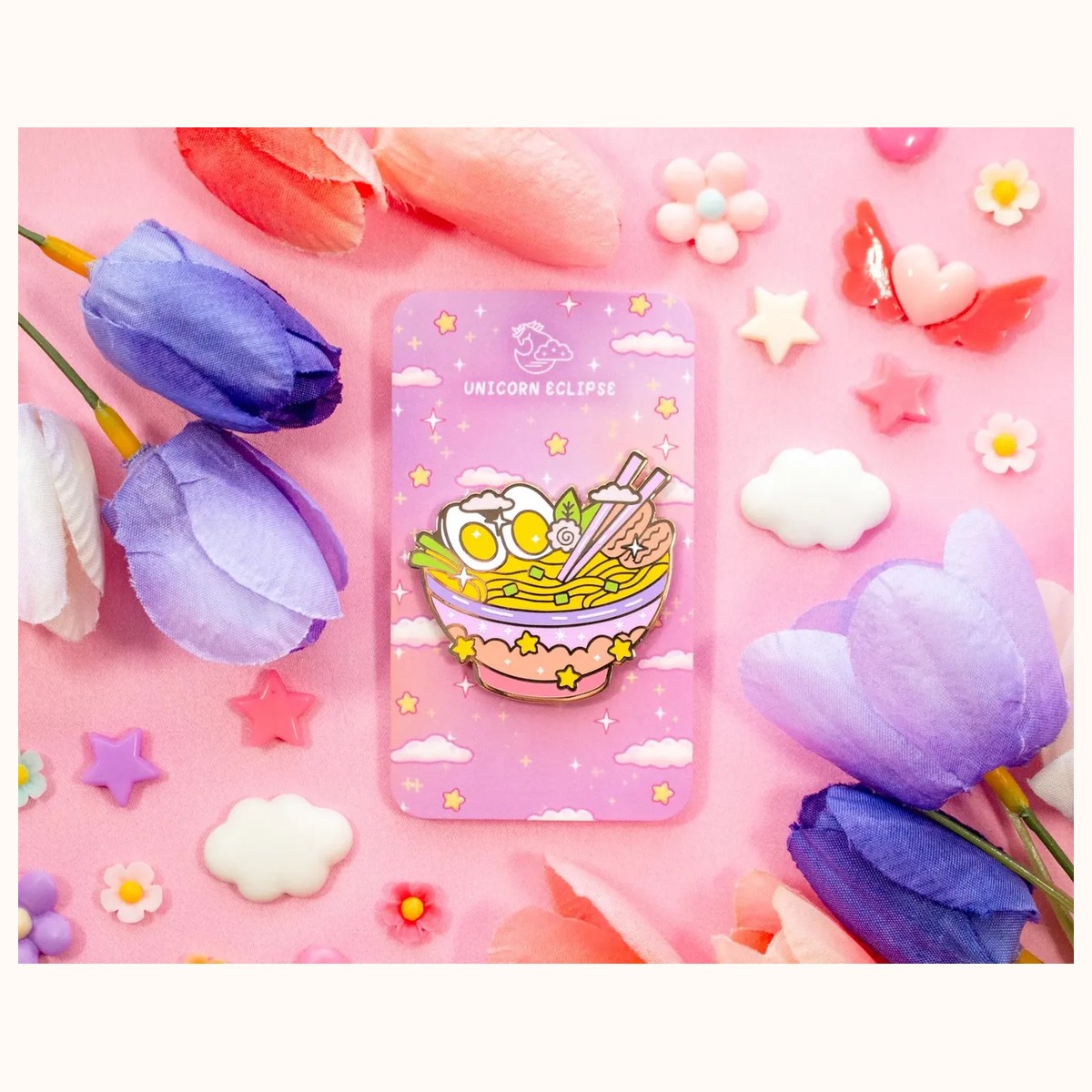
Food motifs can make a small paper gift feel specific without making assumptions about someone’s personality. Use associations, color, and visual scale to build a cheerful Farouk Book Store selection.

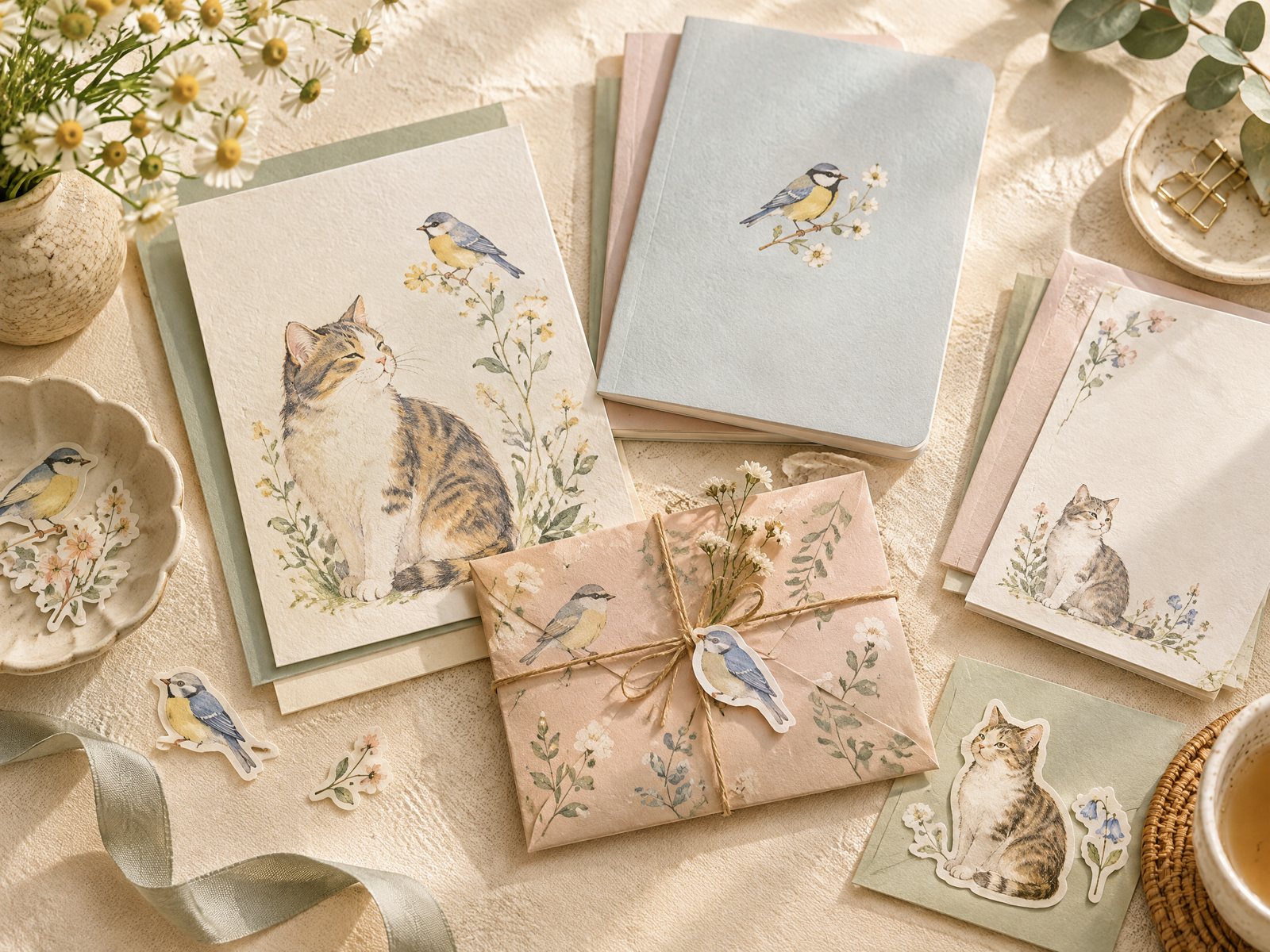
Animal imagery can make a small gift feel specific without guessing at someone’s personality. Use known preferences, practical context, and two contrasting visual edits to choose with care.

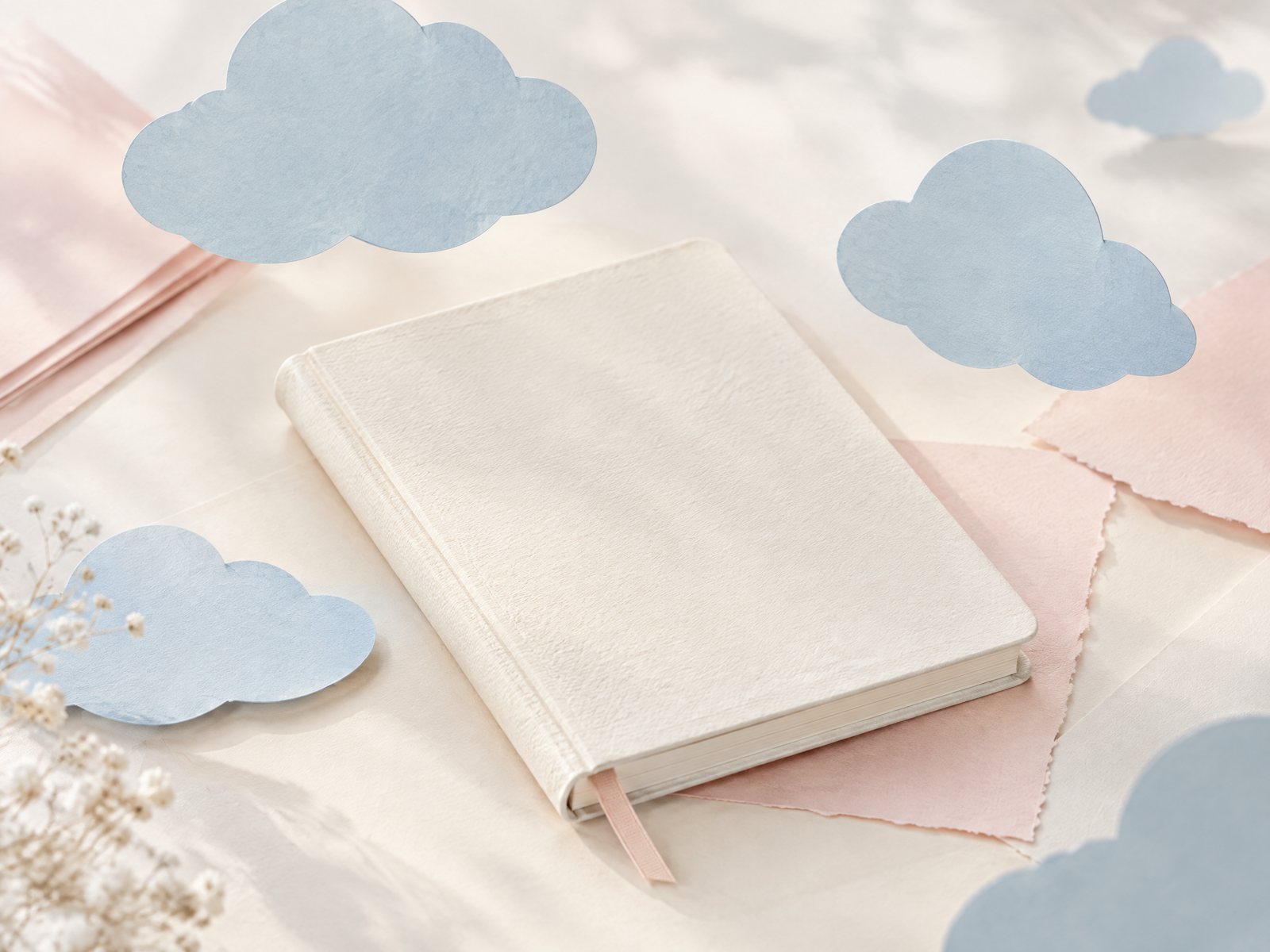
A cloud theme works best when it leaves room to breathe. Use a small motif count, deliberate paper layers, and gentle contrast to make a journal page feel composed rather than crowded.

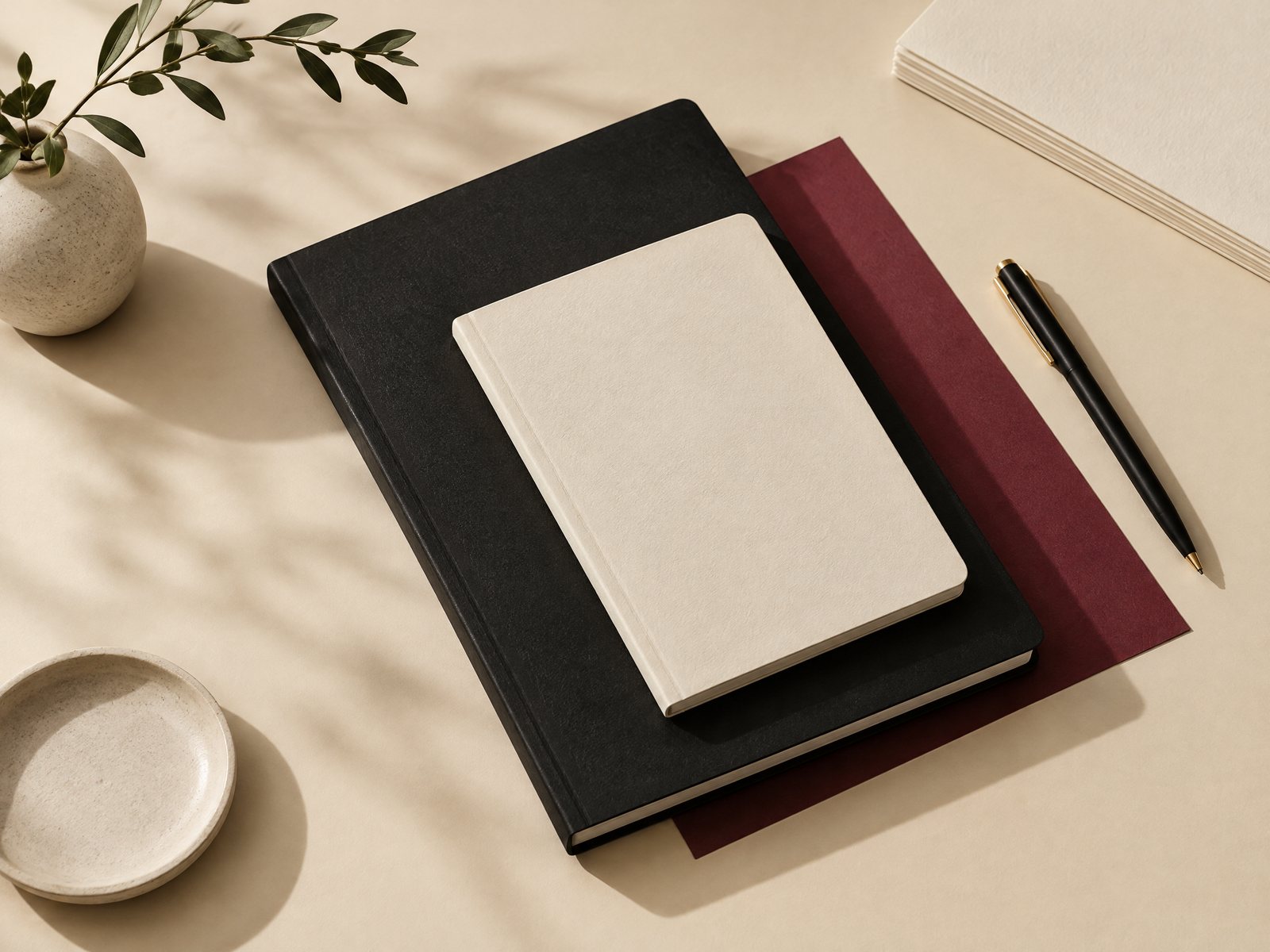
A mostly monochrome notebook can feel intentional without becoming flat. Learn how to choose one accent color, control motif scale, and assemble a focused Farouk paper edit.

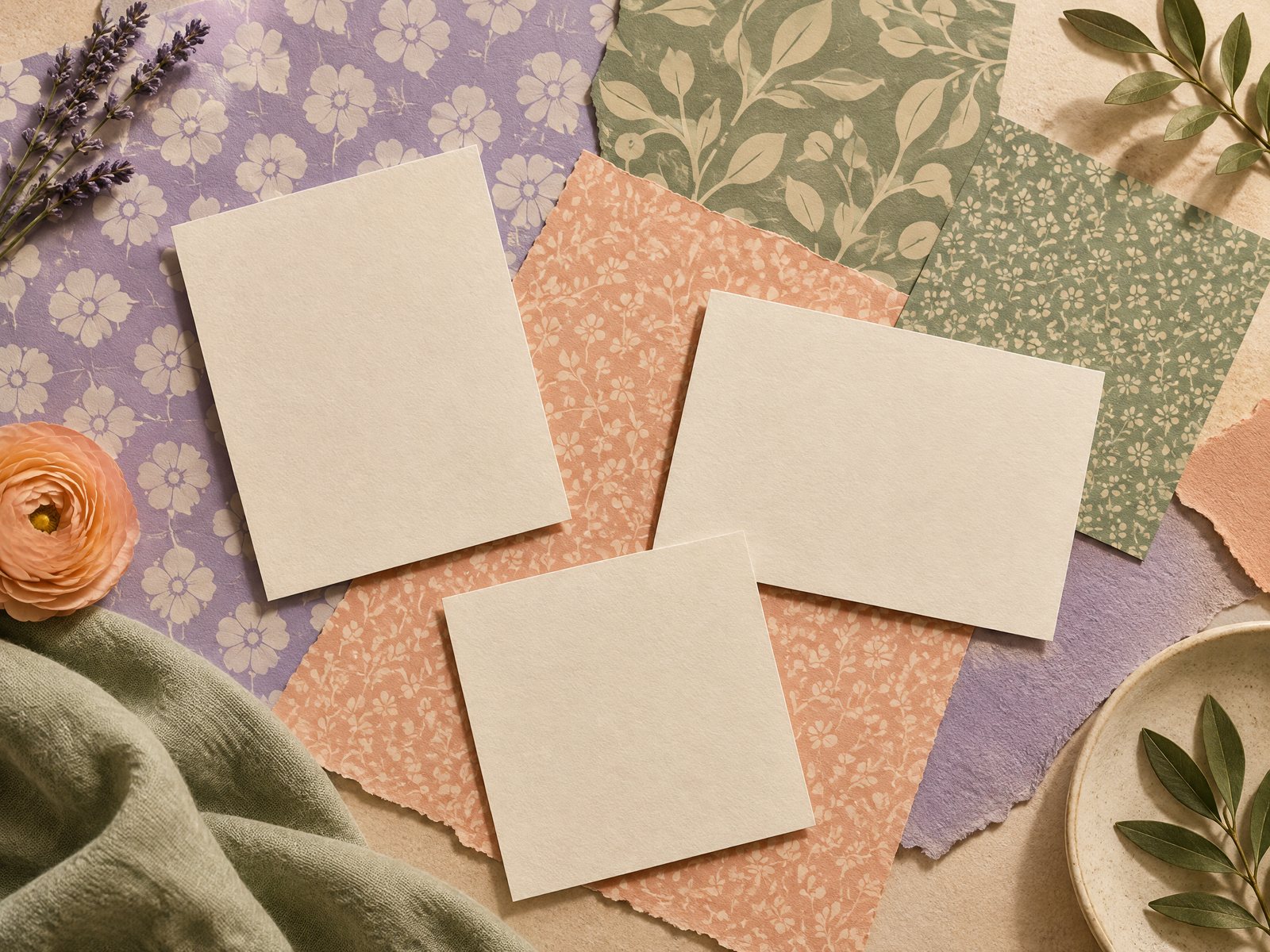
Pastel patterns can work together when each one has a clear role. Build a small paper mood board with scale, spacing, and a calm visual hierarchy.

A vivid note card can make a small gesture feel unmistakably personal. Learn how to make one bold color lead while every supporting detail stays useful and restrained.

Make a small autumn reading corner that supports actual reading rather than elaborate decorating. Use a short queue, removable notes, and a few carefully chosen paper accents.

Turn a small indoor corner into a calm winter correspondence station. Use batches, privacy checks, and a short supply list to keep sending manageable.

Turn ordinary visits to a home garden into clear, repeatable observation pages. Use dates, sketches, and questions to notice change without pretending to diagnose or manage plants.

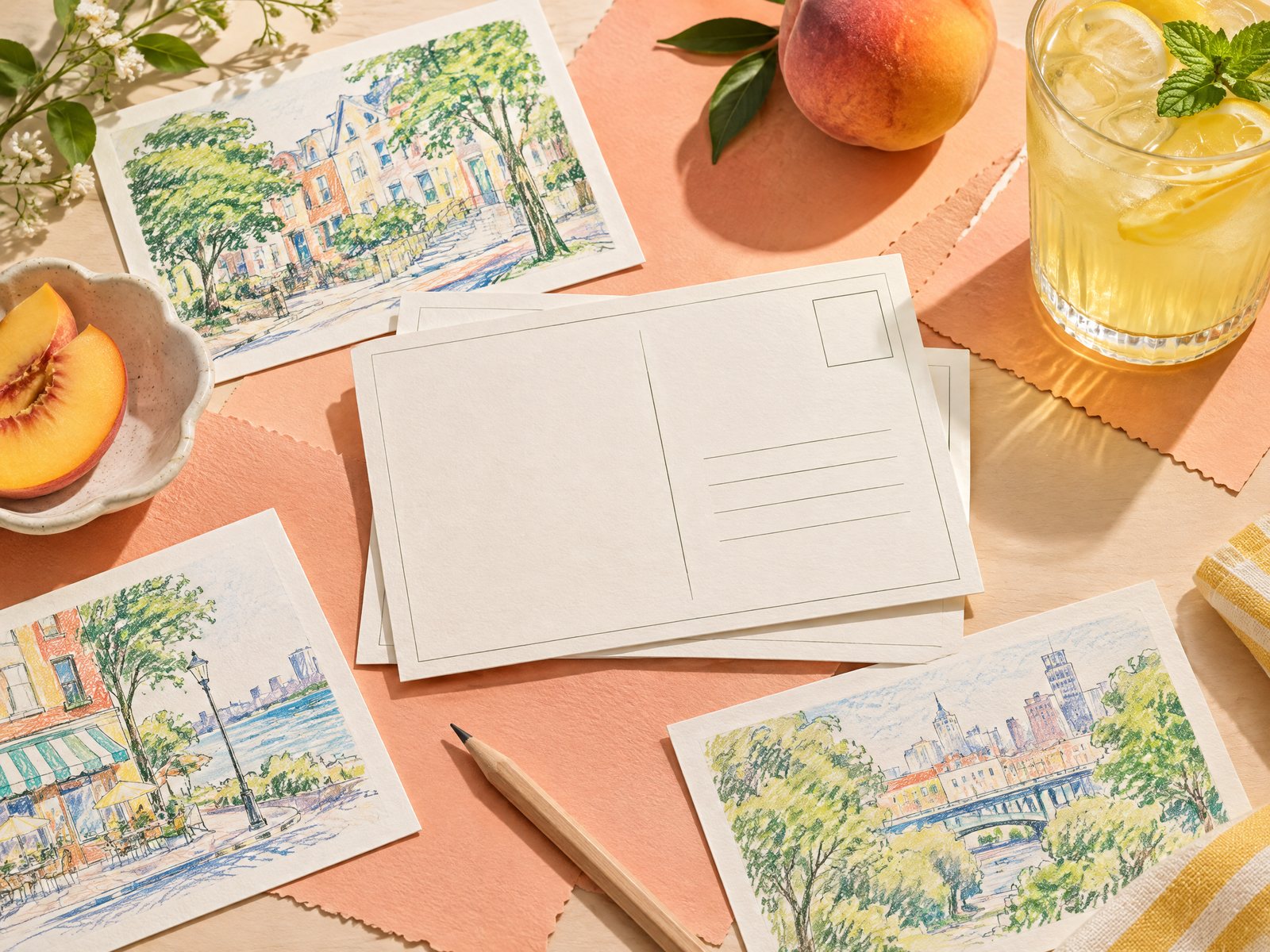
Make an ordinary day feel worth noticing with a postcard-style paper project about local scenes. This guide helps you choose subjects, write concise captions, and assemble a small Farouk paper edit.

A birthday countdown works best when each note has a different job. Use this practical plan to choose, write, and deliver a small set without repetition.

Turn a graduation milestone into a small, personal archive rather than a generic gift. This guide shows how to choose memories, request permission, and assemble an envelope that feels intentional.

A new colleague does not need a grand introduction to feel considered. Use a small, practical paper gesture that respects privacy, workplace norms, and timing.

A move creates dozens of small questions before it creates a settled routine. Use a few focused pages to capture what you notice, decide, and still need to ask.

A host gift does not need to be elaborate to feel considered. Learn how to assemble a small, useful parcel and deliver it without creating obligation.

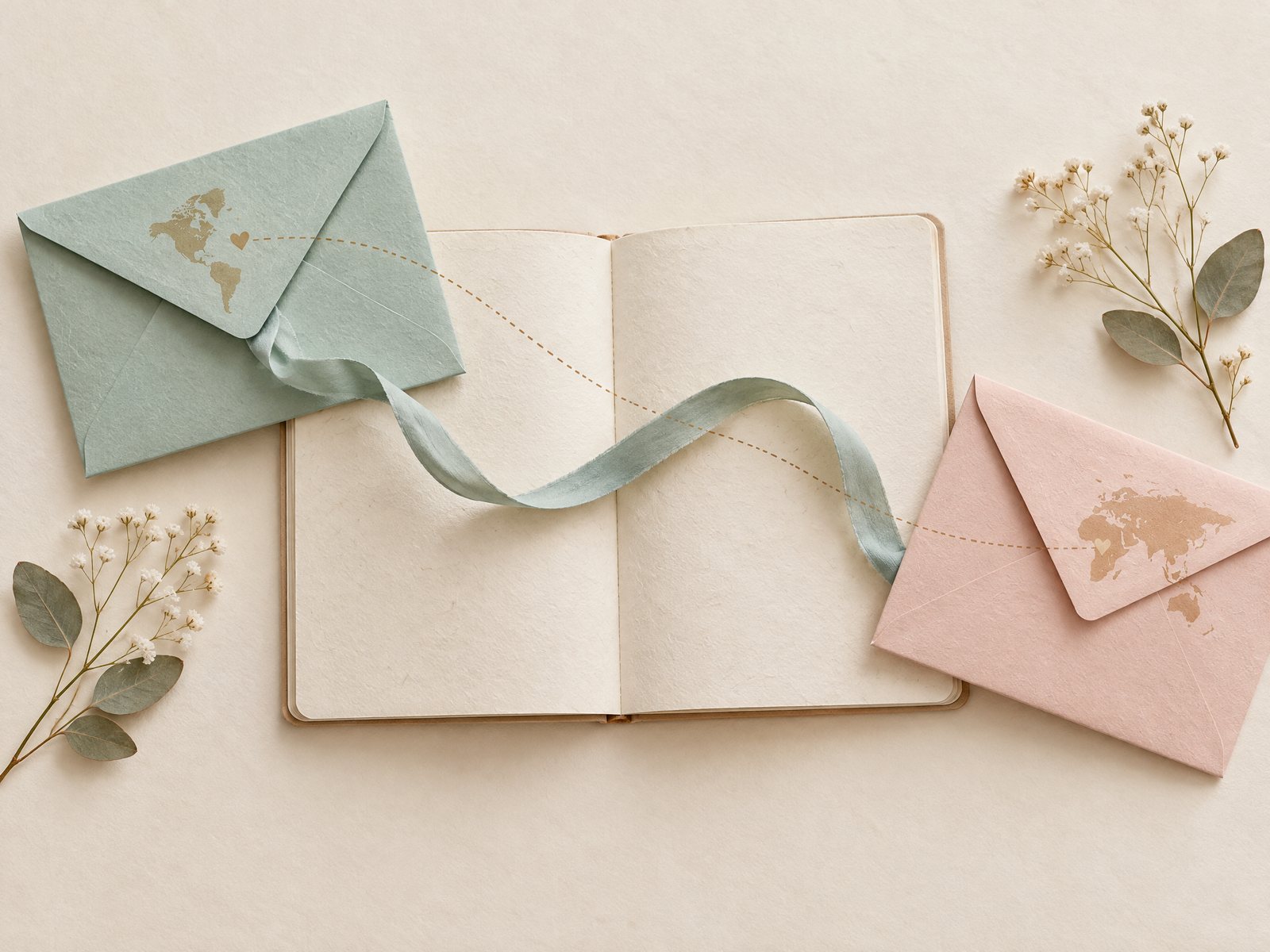
A shared visual theme can make distance feel tangible without making two friends exchange identical gifts. Learn how to build two flexible paper selections with room for privacy and different preferences.

Choosing gifts for siblings can feel like a balancing act when their styles do not match. Use a fair process that gives each person a distinct, considered selection.

A quiet thank-you can acknowledge care without creating pressure. Use this guide to plan a private note that respects the recipient, setting, and boundaries.

A farewell keepsake does not need to become another thing to pack. Use a slim bookmark, a concise note, and a small paper container to make a personal gesture that travels lightly.

A small welcome can be kind without becoming an invitation to share personal details. Use a brief note, a useful paper choice, and an easy opt-out.

Make a casual book swap easier with removable tags that explain why a title was chosen and what the next reader should know. Use brief, honest notes that travel with the book without marking its cover.

Make books easier to discover without turning your shelves into a syllabus. This practical card system helps guests browse recommendations with context and choice.

A silent reading meetup works best when participation does not require conversation. Use small, optional notes to protect reading time while giving guests an easy way to remember a thought or share afterward.

Make a poetry evening feel welcoming with a small deck of original prompt cards. Use it to invite reflection and sharing without pressure or copied poems.

Audiobooks leave you with more than a finished title: they create moments, settings, and questions worth remembering. Use simple paper listening pages to capture those details without transcribing copyrighted text.

A reread can reveal a different reader in the same familiar pages. Use two removable bookmarks to notice what changed without turning the book into a scorecard.

Keep a library receipt and return reminder together without writing on or sticking anything to a borrowed book. This external paper-pocket method uses simple, separate pieces from the Farouk edit.

Lending a favorite book can be generous without becoming complicated. Use a small paper note to remember what left your shelf, clarify a flexible return plan, and protect the friendship around the loan.

Turn family recipes into carefully attributed memory cards without flattening the stories behind them. This guide covers prompts, privacy, organization, and paper choices.

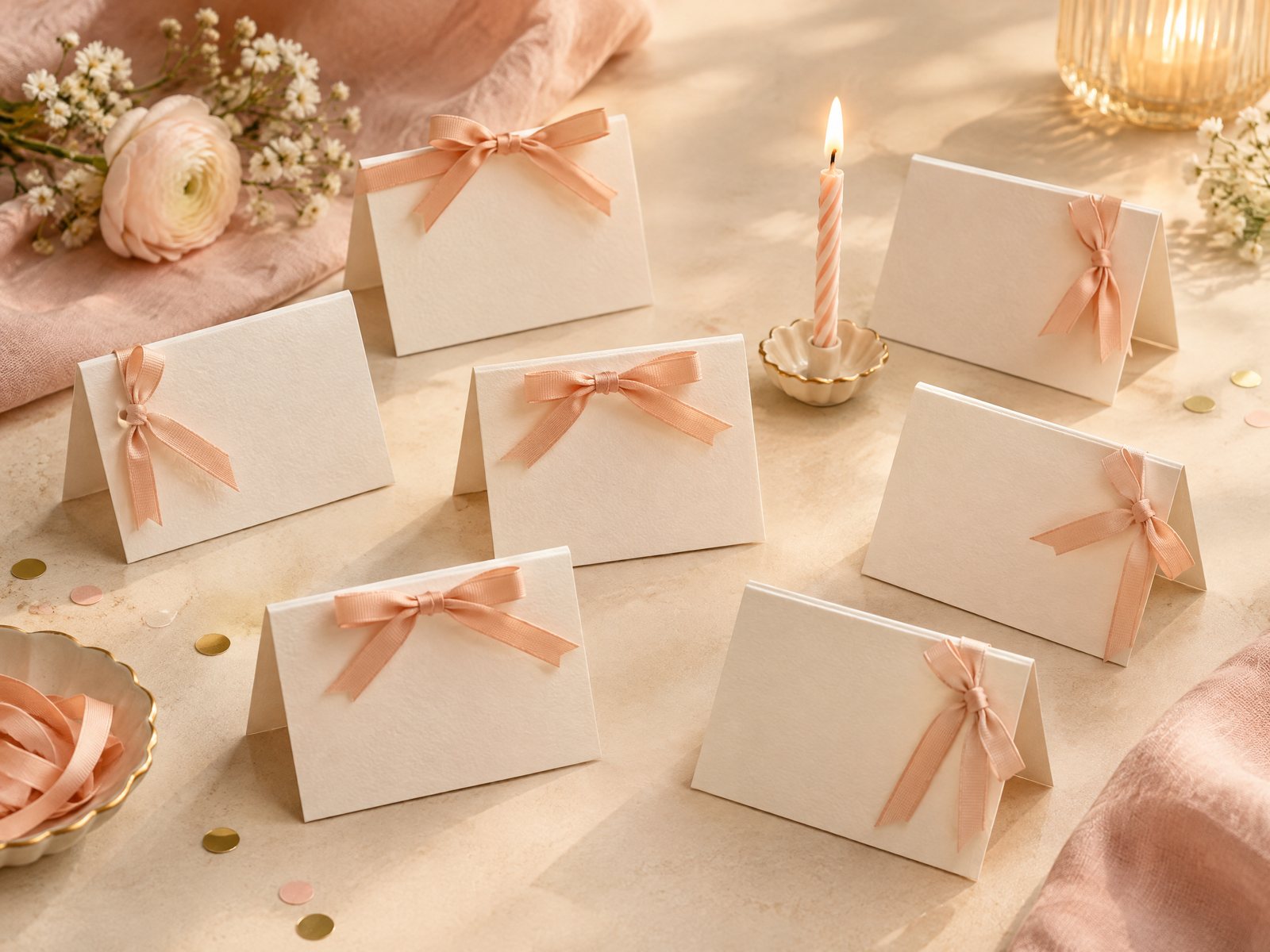
A small dinner can feel considered without becoming ceremonial. Use adaptable place cards to guide guests, share preferences, and keep the table easy to navigate.

Turn a weekend market walk into a record of what you noticed, tasted, and want to remember. This practical paper system keeps observations personal and useful.

Keep casual game-night scores clear without crowding the table. This reusable paper system separates players, rounds, penalties, and final checks.

Turn one movie night into a small, personal paper keepsake. This guide shows what to save, what to draw, and how to keep the envelope original.

A playlist becomes more memorable when the recipient can see why each song was chosen. Build a small paper gift that adds context without reproducing lyrics or downloads.

Turn a few personal photos into a thoughtful paper keepsake with short, original captions. This guide covers consent, selection, assembly, and safer storage.

Turn adoption day into an ordinary, useful keepsake with dated notes, small mementos, and clear privacy boundaries. This gentle folio plan keeps personal memories separate from veterinary documents.

Exchange tiny original artworks with a friend without turning the idea into a demanding correspondence project. Use a small theme, clear limits, and an easy response option.

A collage does not have to become permanent on the first attempt. Use a loose layout, a reference photo, and a pocket system to keep your paper composition changeable.

Tiny motifs can make a notebook easier to navigate without turning every page into a collage. Learn how to place, scale, and repeat corner accents while protecting your writing space.
A paper reply tracker can keep correspondence visible without turning relationships into a checklist. Build a small, private system with useful prompts and low-pressure review points.

A related motif can travel from a notebook to a carry item and a desk object without making everything look identical. Use function, scale, and restraint to build a capsule that works in real life.
A shared charm can create a light visual thread without turning a club into a uniform. Use this guide to choose a motif, invite preferences, and leave room for opting out.

A paper wishlist turns an appealing stationery browse into a considered shortlist. Use purpose, product details, and a pause before deciding.

A mixed paper bundle can look cohesive and still fail at the moment you pack it. Use these fit questions to match cards, envelopes, notebooks, and carry items before you order.

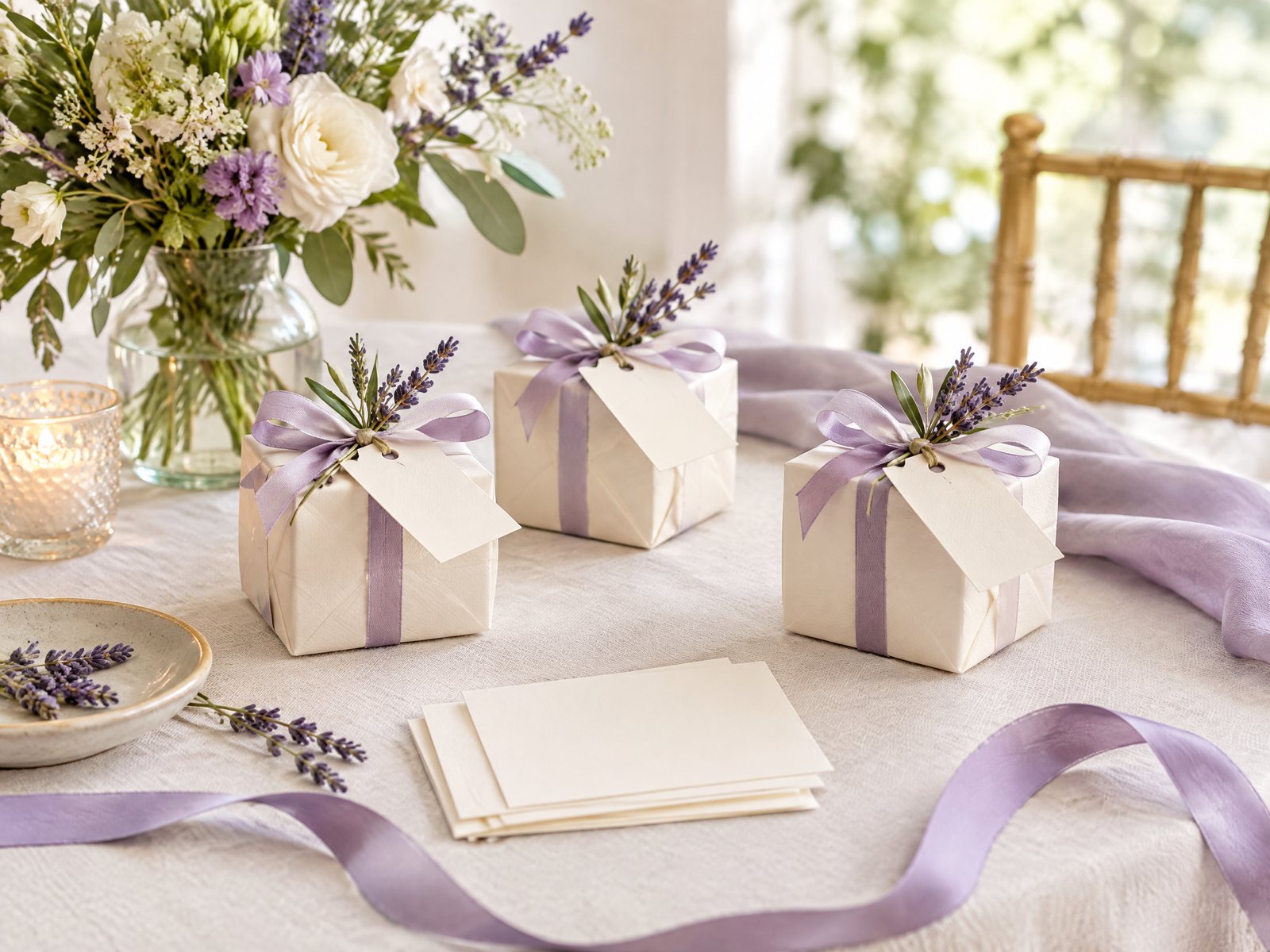
A small guest gift can welcome people without creating clutter or assumptions. Use this practical plan to choose, place, and explain modest paper gifts for a varied group.

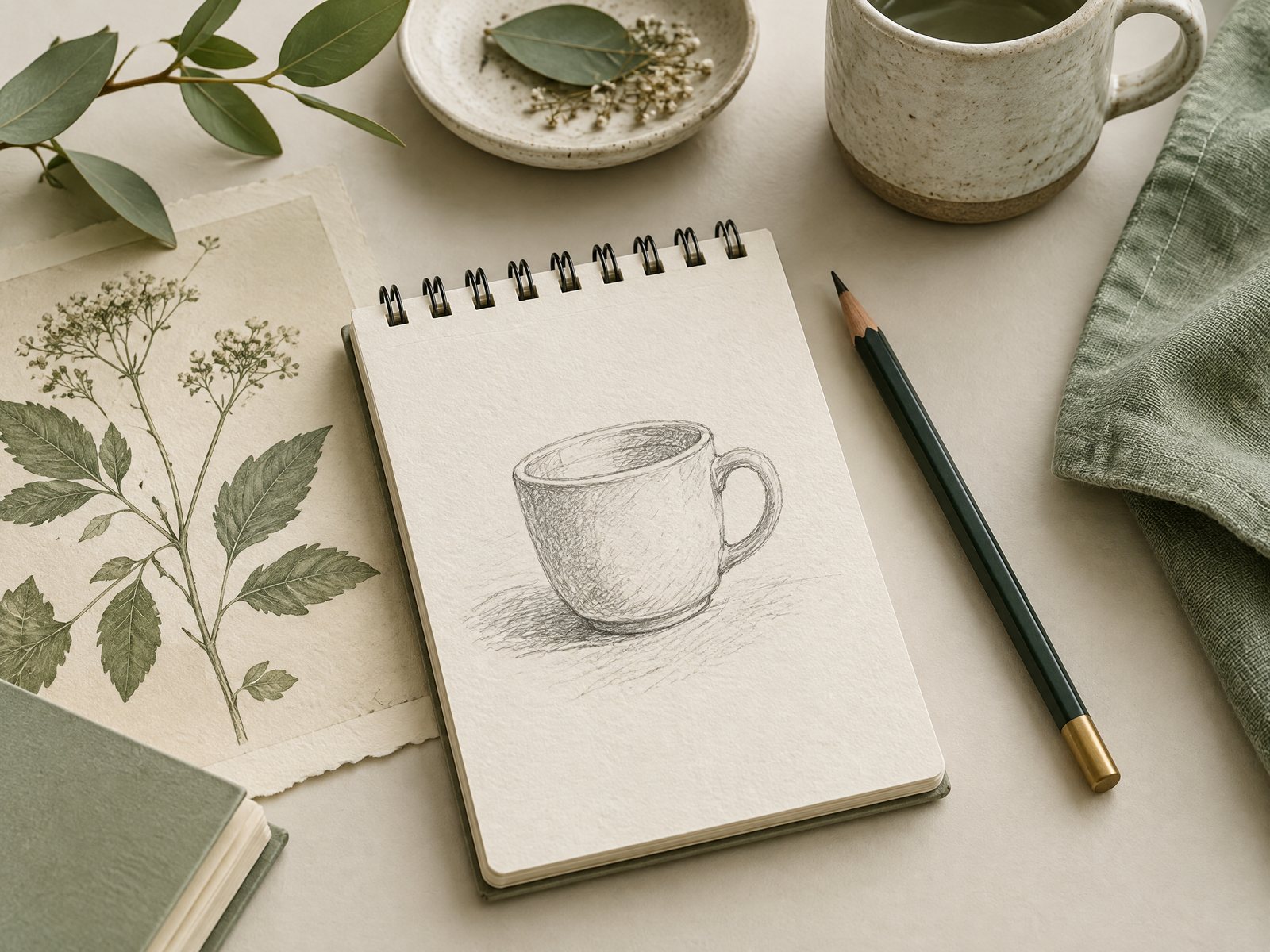
A small sketch habit can begin with a cup, a pencil, and ten attentive minutes. Learn how to assemble an everyday observation kit and adjust it when life gets busy.

Turn a conference conversation into an optional, low-pressure note exchange. Use practical paper choices, consent, and clear follow-up boundaries.

Give retail staff a reliable way to talk about products without improvising claims. This guide turns catalog facts into clear, reusable story cards.

A clear wholesale inquiry starts with questions, not assumptions. Use this worksheet to request the terms you need from Farouk before placing an order.

A clear product question saves back-and-forth. Use the item identifier, measurements, and a carefully framed photo to show exactly what you need to know.

A clear email order request starts with a checked bag and a practical list of questions. Use this guide to prepare product details without treating the request as online checkout.

A new-arrival label can be a useful starting point, but it is not a promise about when an item appeared. Use this practical browsing method to find stationery that genuinely suits your project.

A familiar motif can make a new paper gesture feel intentional rather than repetitive. Use this practical decision guide to choose between returning to a favorite and trying a new style.

Clean paper can often serve one more small purpose before it leaves your desk. This practical guide covers reuse, privacy, and sensible stopping points.

A small gift should respect the recipient’s space before it expresses your enthusiasm. Use this permission-first approach to decide whether to offer one and what to choose.
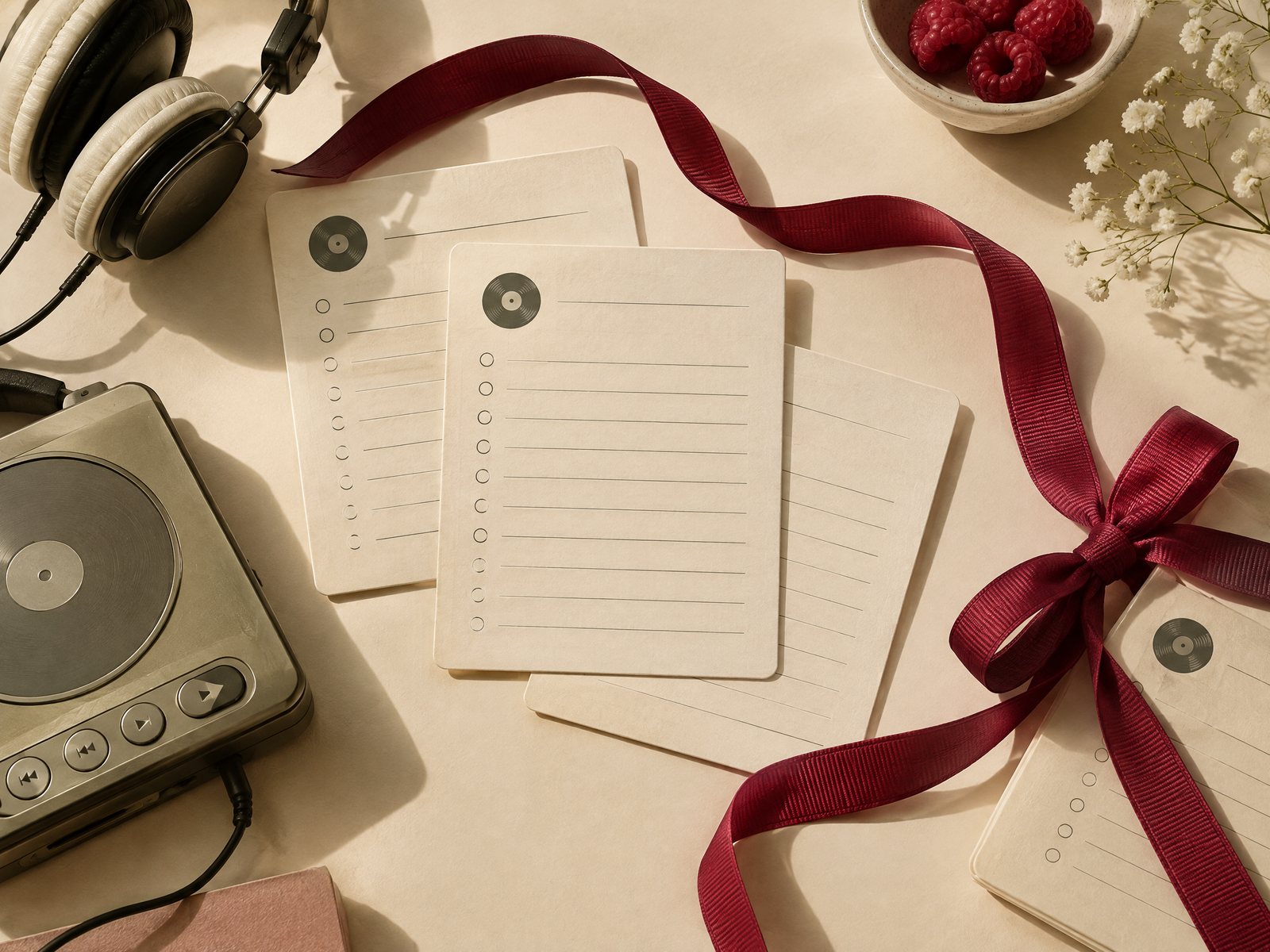
A meaningful note collection is less about keeping everything and more about choosing what deserves a safe place. Learn how to select, protect, and revisit personal notes with care.

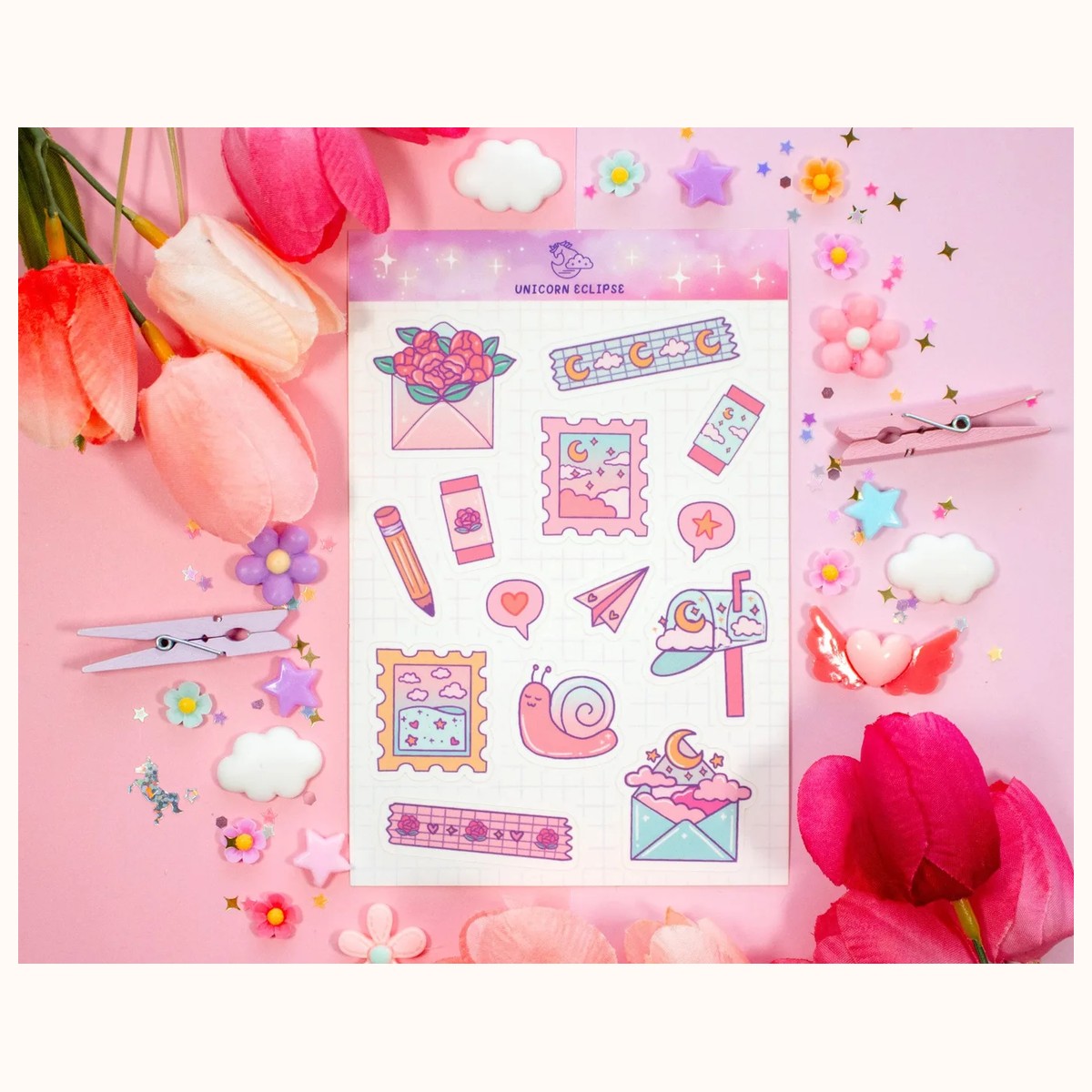
A practical system for sorting, storing, and using stickers without filling every drawer and shelf. Learn how to keep favorites visible while making room for new finds.

A practical, step-by-step guide to applying laptop decals smoothly. Learn how to prepare the surface, prevent bubbles, fix mistakes, and remove a decal carefully.

Want to remove vinyl stickers without scratching, tearing, or lifting paint? This practical guide explains how to soften adhesive, choose the right tool, and clean different everyday surfaces.

Sticker sheets and die-cut stickers solve different decorating problems. Compare layout, application, portability, and project goals before choosing the format that fits.

Layering clear stickers can add depth without hiding your writing. This practical guide covers planning, placement, color balance, and easy fixes for crowded journal pages.

Keep your decorated bottle looking neat with practical advice on sticker placement, gentle cleaning, drying, and edge repair. These water bottle sticker care tips help you decide where and how to apply each design.

Turn reading notes into clear, expressive spreads with a thoughtful sticker layout. This guide covers planning, placement, layering, and fixes for common journaling problems.

Make compact trip pages feel full of place and personality without crowding them. These travel memory sticker layouts use focal points, handwritten details, and flexible layering for small journals.

New to washi tape? This practical guide covers how to choose a first roll, apply it neatly, fix common mistakes, and build simple paper projects with confidence.

A clean page border is less about rushing and more about planning the edge, controlling the tape, and trimming deliberately. Use this practical guide to create washi tape page borders that look balanced and hold up to regular page turning.

A small craft space can still hold a colorful washi tape collection. Use these practical storage ideas to keep rolls visible, protected, and easy to reach.

Make small presents feel personal with washi tape gift wrapping. Learn how to choose a tape, build a neat design, add a message, and fix common wrapping problems.

Sticky notes can turn a vague week into a flexible visual plan. Learn a practical system for choosing note sizes, sorting priorities, scheduling tasks, and reviewing what needs to move.

Notepads and notebooks both make everyday writing easier, but they solve different problems. Use this practical guide to match the format, page style, and size to the way you actually take notes.

A brain dump notepad routine can turn a crowded mind into a workable plan. Use this simple process to capture thoughts, sort urgency, and choose a realistic next action.

A practical grocery list notepad system can turn scattered reminders into a reliable shopping routine. Use a capture pad, store zones, and a final check to leave fewer essentials behind.

A planner pad can turn a vague intention to study into a manageable plan. Learn how to set up a study routine with a planner pad, adjust it when life changes, and review what worked.

A daily to-do list should help you choose what matters today, not turn the day into a rigid script. Learn a flexible method for planning priorities, estimating effort, and recovering when plans change.

A reading journal can be a useful record of your reading rather than another abandoned project. Learn how to choose a format, capture meaningful notes, and build a low-pressure routine you can keep.

A reading journal can do more than record a score and a plot summary. Use these flexible prompts to notice your reactions, examine a book’s craft, and turn reading into an ongoing conversation.

The right notebook size depends on what you write, where you carry it, and how much structure you need. Compare compact, medium, and roomy formats for journaling, lists, and travel before choosing your next notebook.

A single notebook can handle more than a diary. Learn how to divide one book into practical creative sections that make everyday planning, capture, and review easier.

The right bookmark should suit both the book and the way you read. This practical guide compares common materials, finishes, shapes, and care choices so your marker stays useful without stressing pages.

Reading log bookmarks make book tracking portable: record where you stopped, capture a thought, and keep a clear list of what to read next. This practical guide shows how to set up and maintain a system that fits your reading habits.

Book annotation tabs can turn a busy book into a useful map—if every color has a job. Learn how to choose a small tab system, place tabs with intention, and reset when your pages become overmarked.

The best bookmark gift pairings match a reader’s habits, not just a favorite color. Use these practical combinations to build a small, personal gift for fiction fans, students, journalers, commuters, and more.

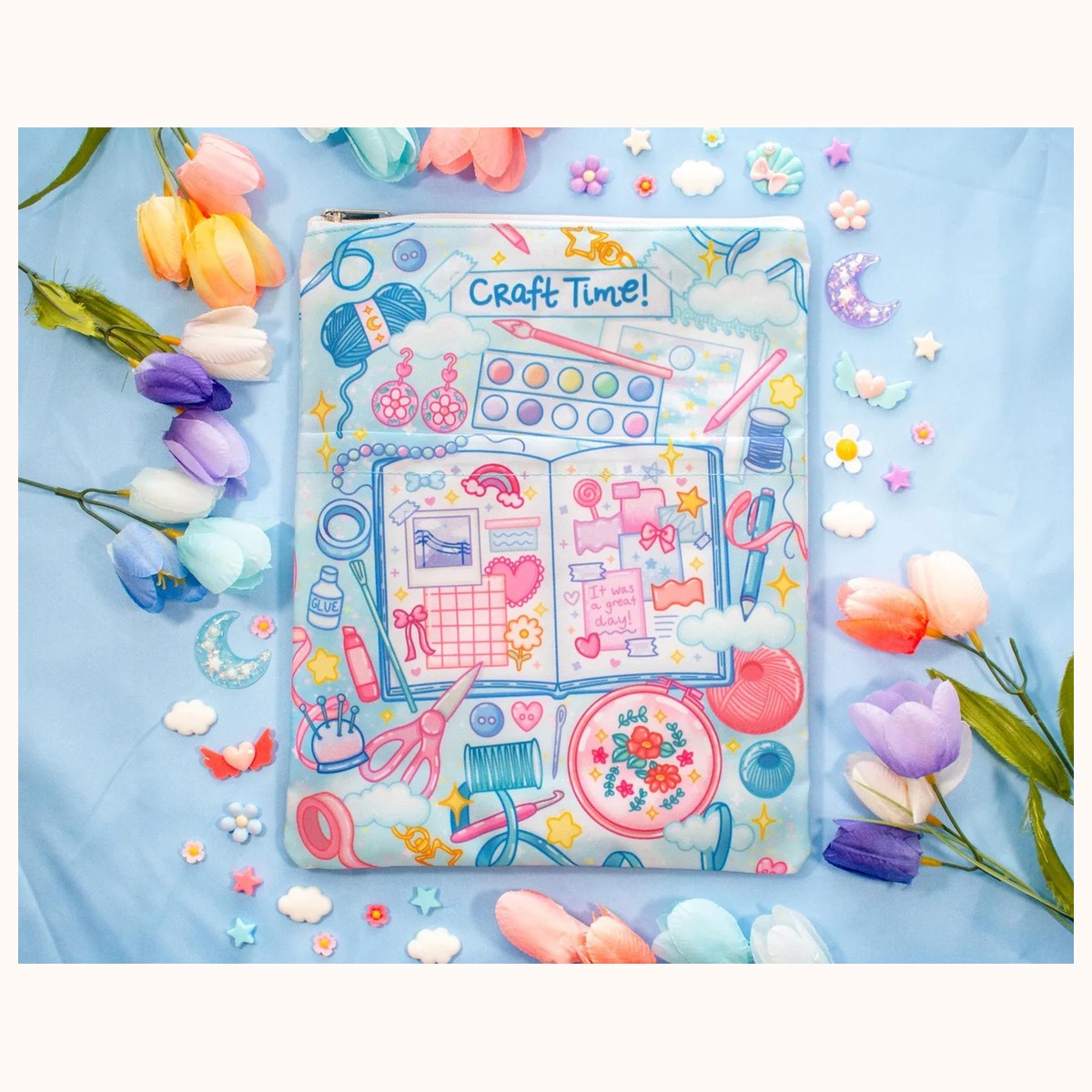
The right book sleeve should protect your book without forcing the zipper or leaving it loose inside. This practical guide explains what to measure, how to compare dimensions, and how to choose confidently.

A book sleeve and a book cover solve different protection problems. Learn what each shields, how to measure for a good fit, and when combining them makes sense.

Travel can be hard on a paperback's corners, cover, and pages. This practical guide explains how to pack, carry, and rescue a paperback before, during, and after a trip.

A practical guide to keychain and bag charm styling: choose a visual anchor, balance color and scale, and keep your everyday bag easy to use.
Acrylic charms can stay bright and presentable with a few simple habits. This practical guide explains how to clean, carry, store, and troubleshoot an everyday acrylic keychain.
A practical guide to keyring organization for work, home, and daily carry. Learn how to separate essential keys, reduce bulk, and make every set easier to find.

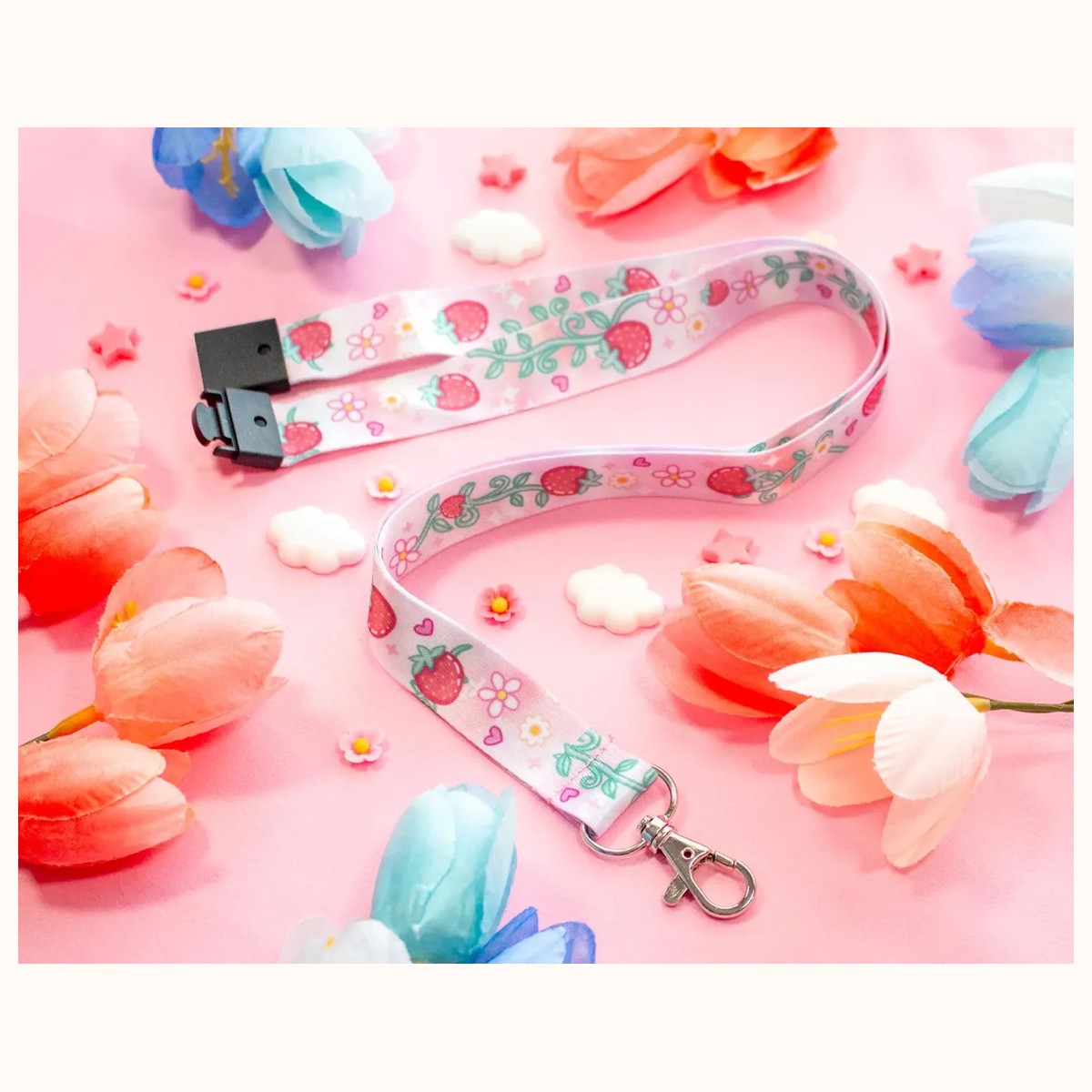
The right lanyard is more than a color choice. Use this practical guide to compare length, fit, breakaway points, clasps, and the items you plan to carry.

A practical breakaway lanyard guide for choosing the right length, attaching an ID badge, checking the release point, and carrying keys or small tools responsibly.

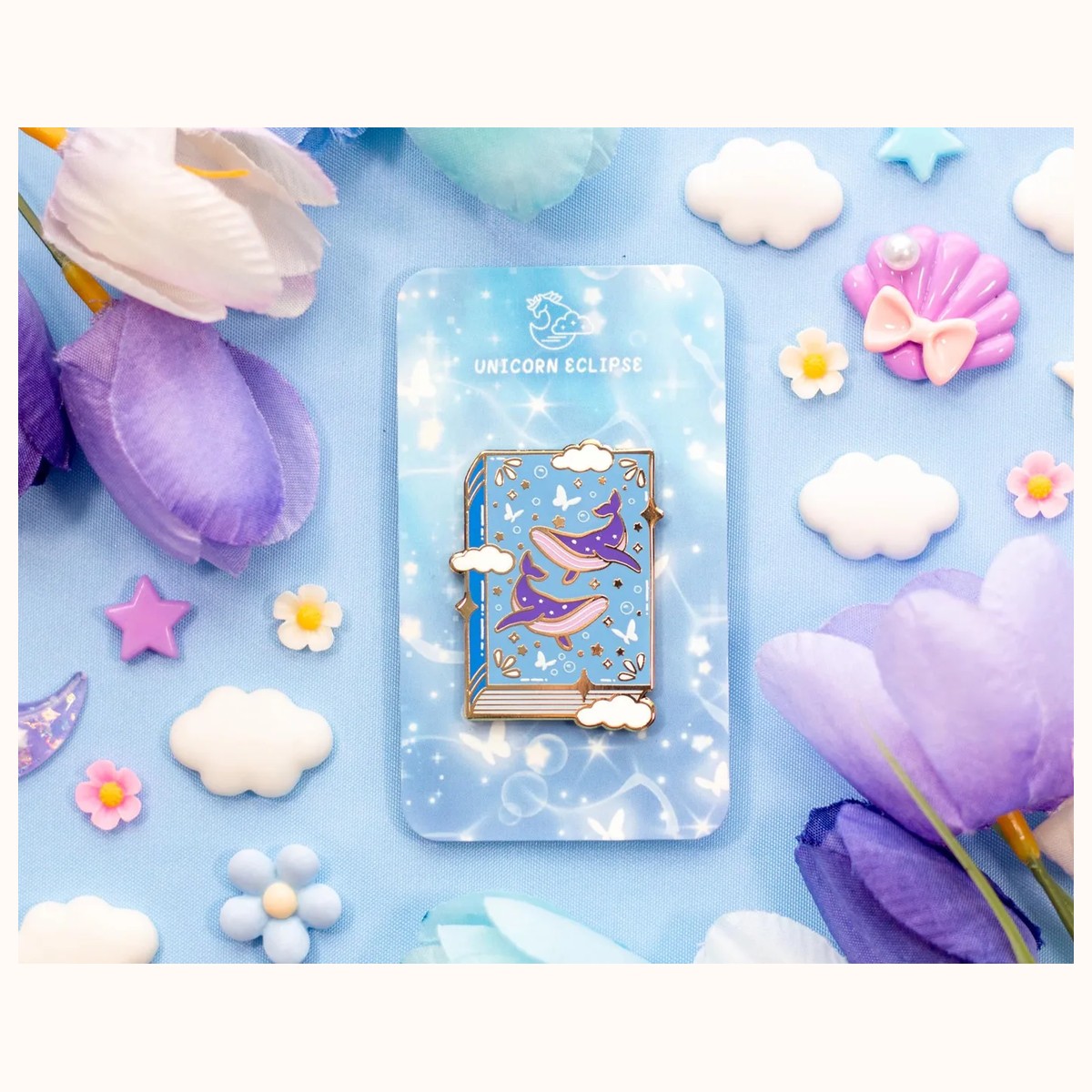
Find practical pin display ideas for jackets, bags, and desk boards. Learn how to choose a layout, protect fabric, secure backings, and refresh a growing collection.

A practical pin backing guide for choosing the right fastener, attaching small accessories neatly, and reducing accidental loss. Learn how to check clutches, place pins on fabric, and troubleshoot loose backings.

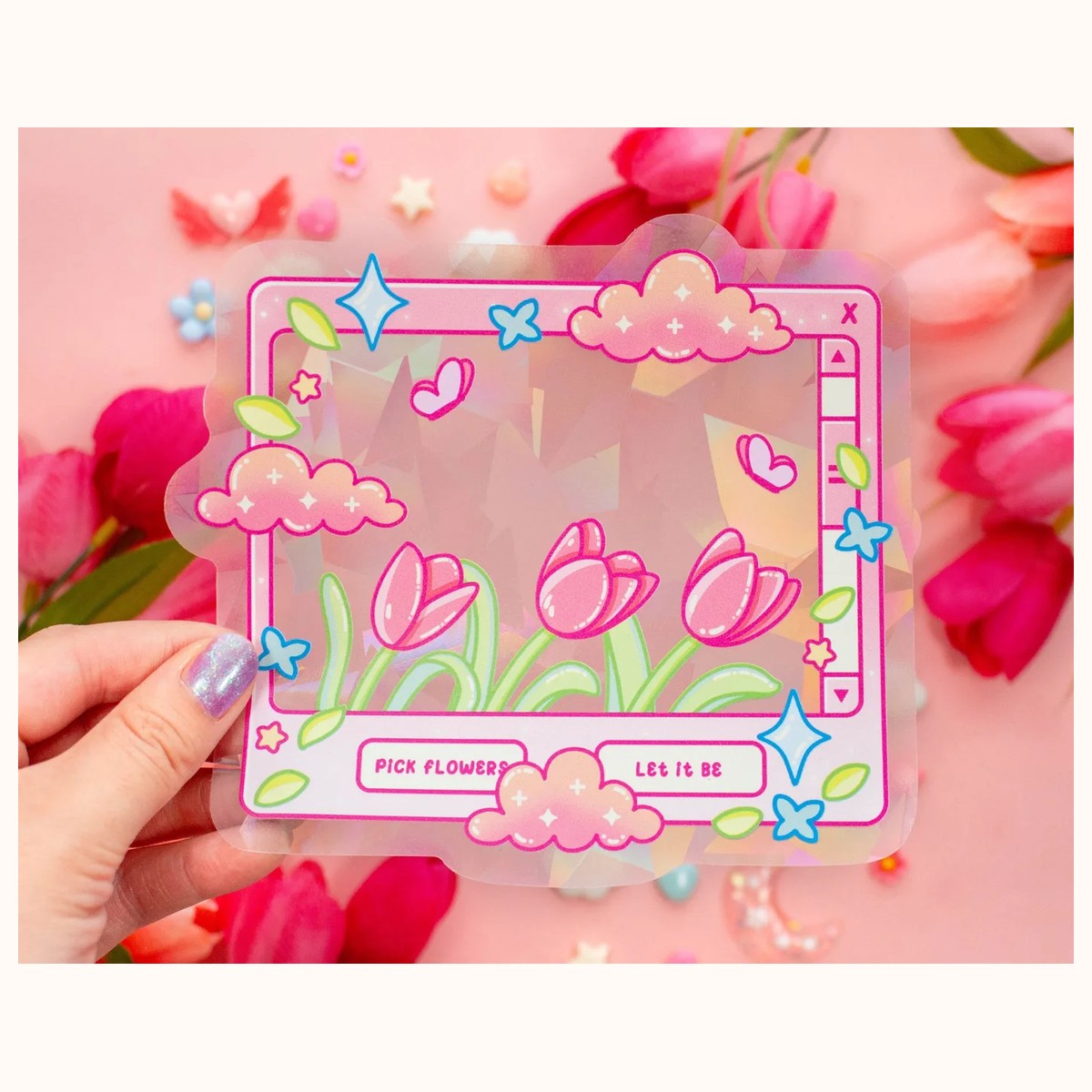
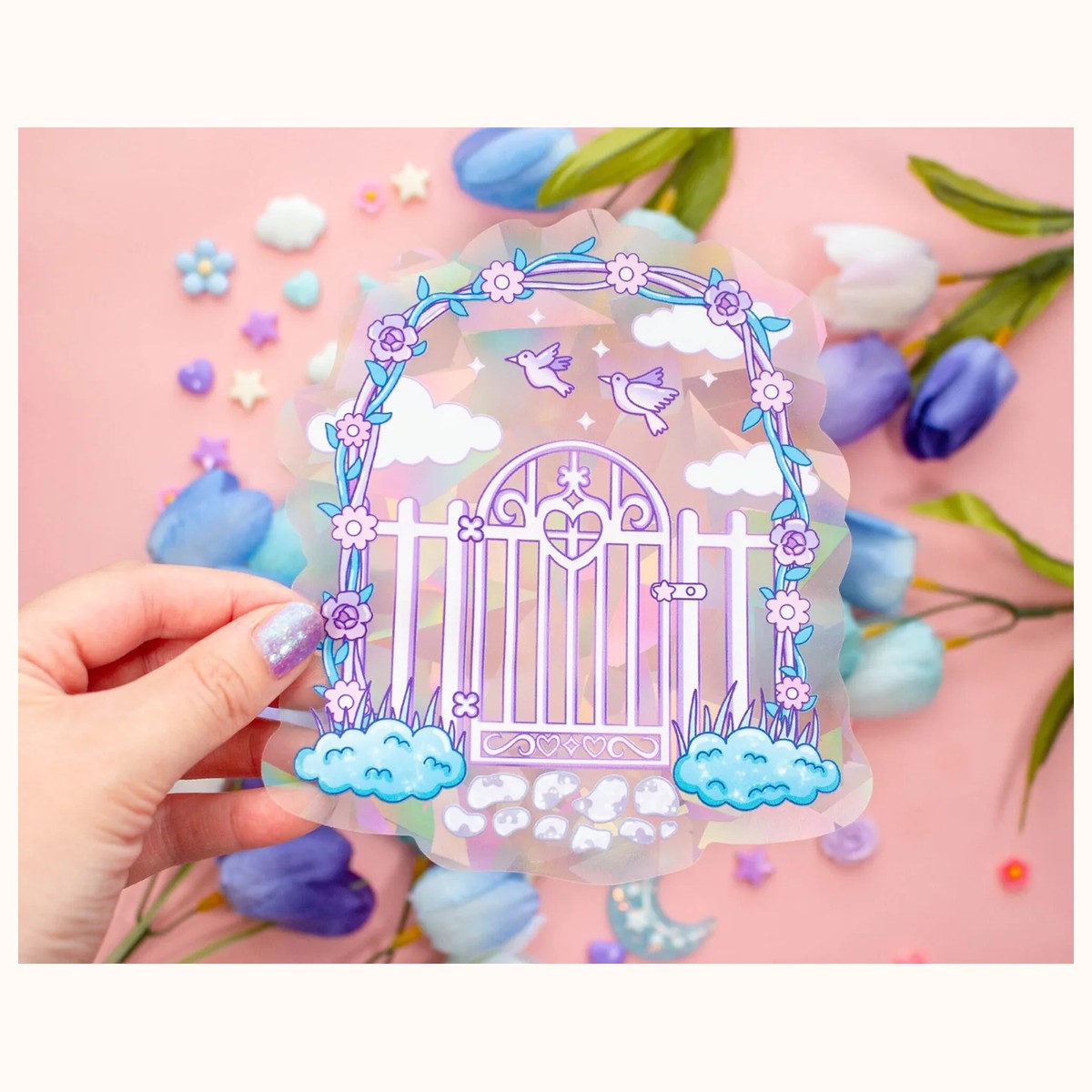
The right suncatcher window placement can turn a small decal into moving color across a room. Use this practical guide to match sunlight, glass, viewing angle, and daily routines.

Learn how to remove and store window suncatchers without creases, residue, or damage. This practical guide covers timing, gentle removal, cleaning, packing, and seasonal reuse.
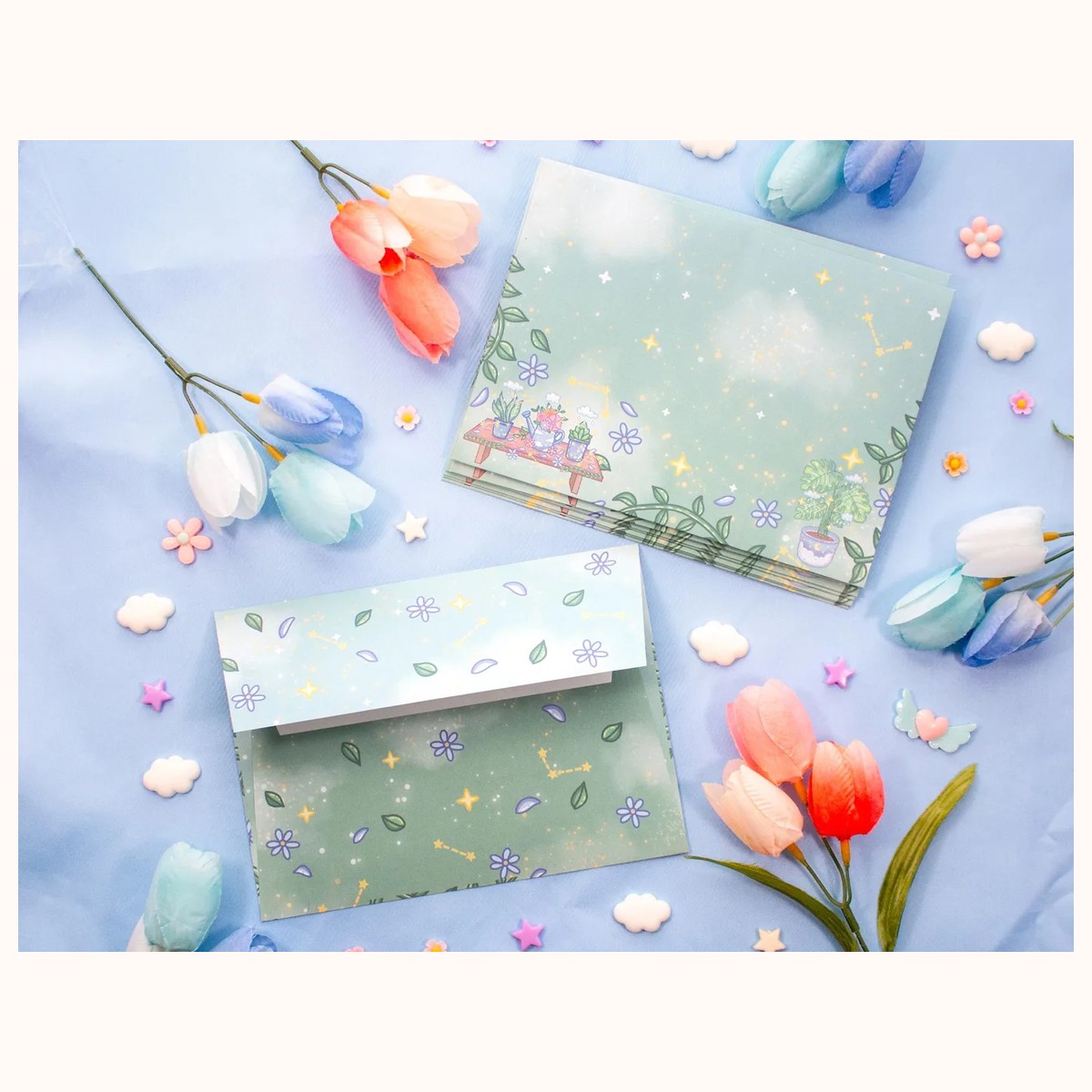
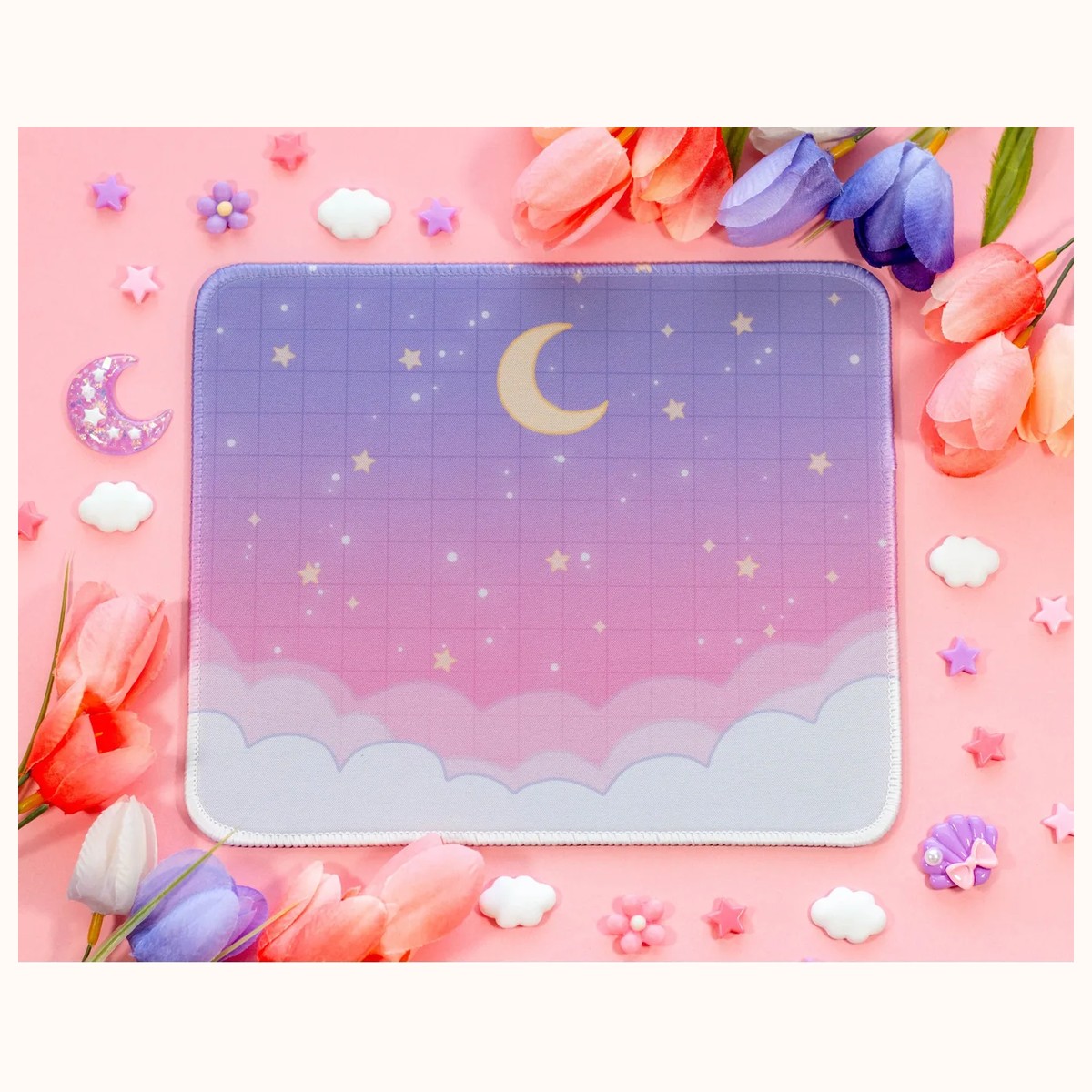
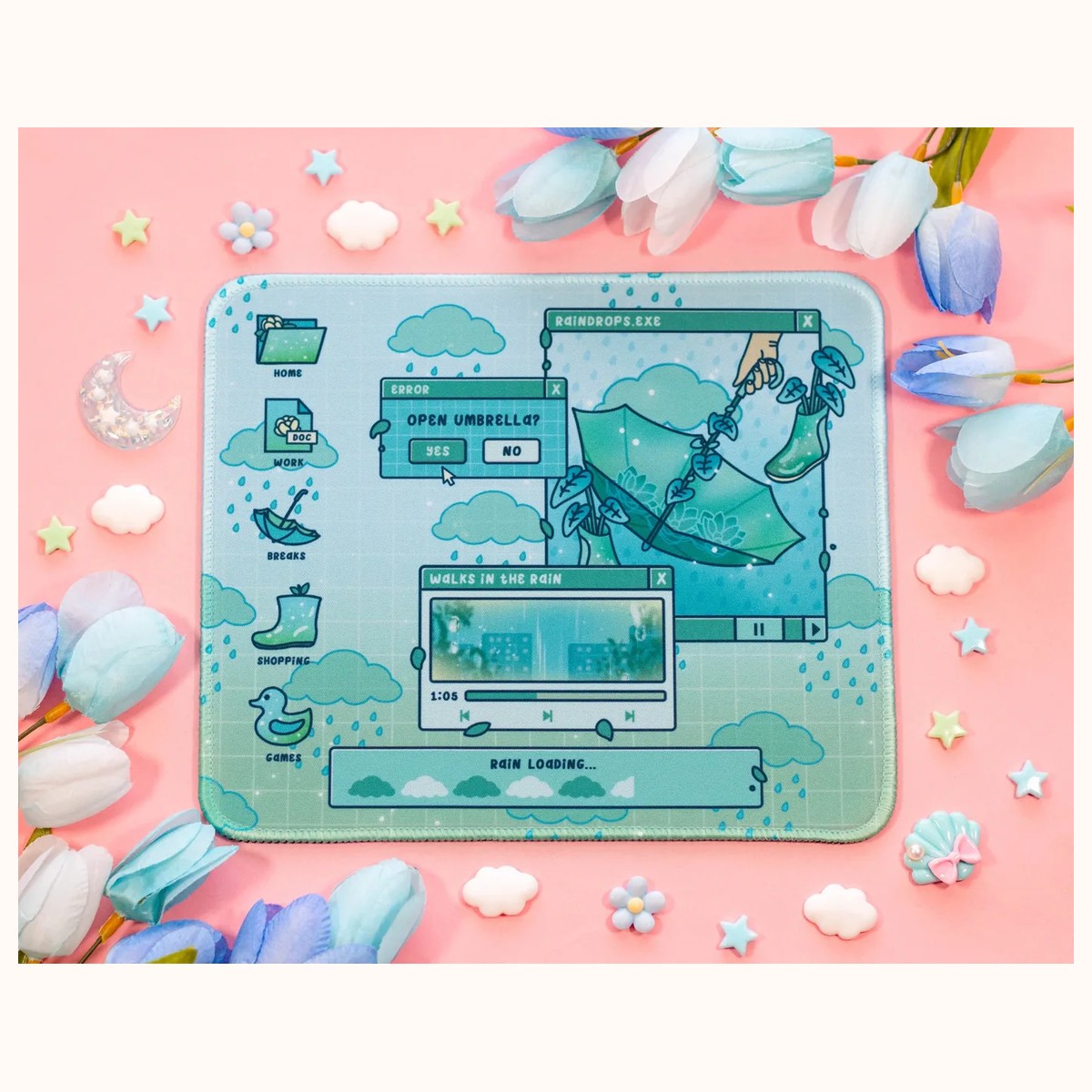
A practical mousepad selection guide for choosing the right size, surface feel, stability, and care routine for your desk. Compare everyday needs with two compact illustrated options from Farouk Book Store.
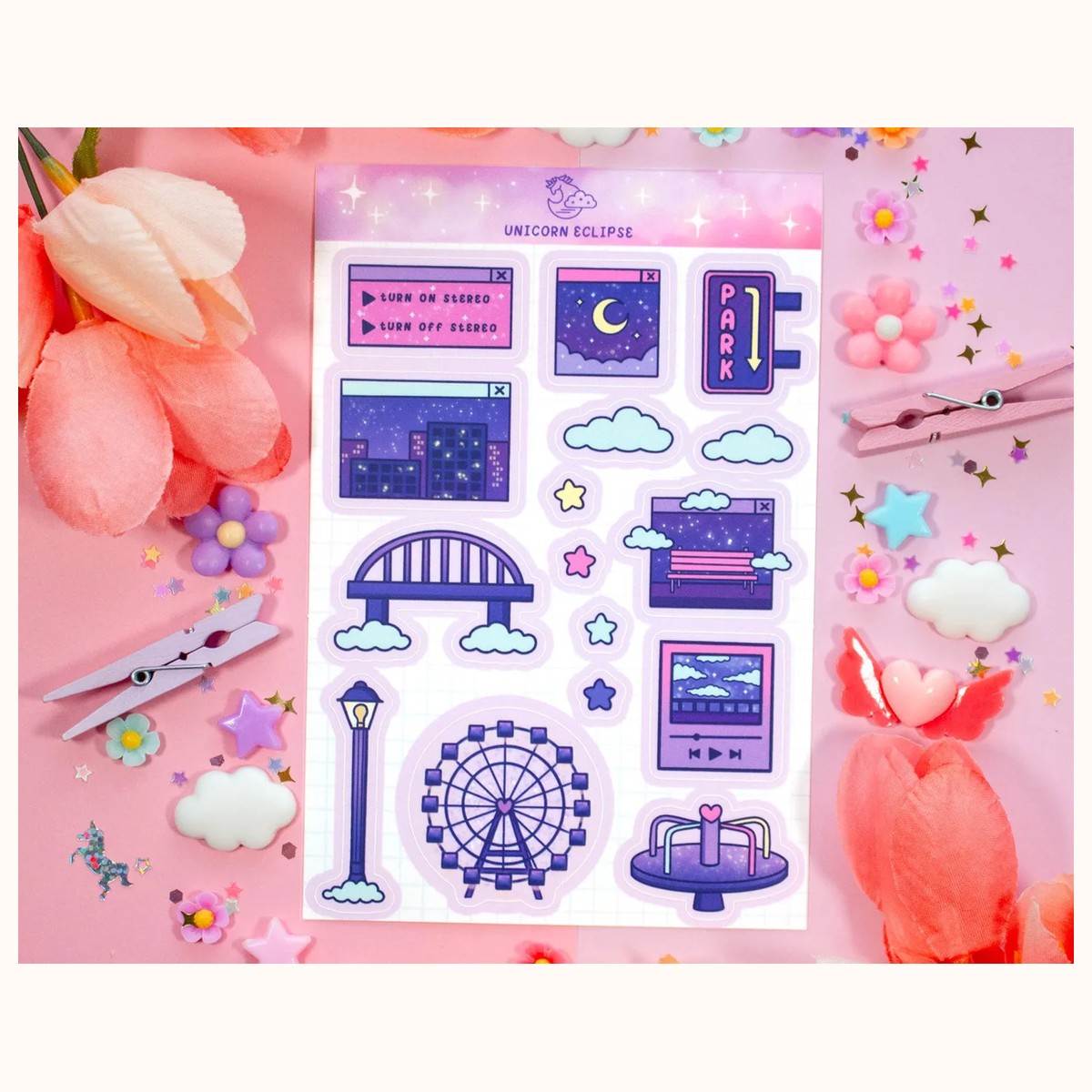
A practical guide to mousepad cleaning and care for busy desks. Learn how to remove dust and spills, wash gently, dry safely, and prevent avoidable wear.
This coaster material comparison explains how acrylic, cork, ceramic, wood, stone, silicone, and fabric perform on desks and side tables. Choose by moisture, heat, stability, cleaning needs, and the surface you want to protect.

A small desk can feel considered rather than crowded when its colors work together. Use this practical guide to choose a palette, test accents, and correct visual clutter.

A family noticeboard works best when everyone can find the right information quickly. Learn how to plan refrigerator magnet layouts that separate tasks, protect writing space, and stay easy to reset.

A personal thank-you note does more than acknowledge a gift or favor: it shows that you noticed the thought behind it. Use this practical guide to choose your words, structure your message, and make a short note feel genuinely yours.

The best encouragement notes do not need grand advice. Use these practical ideas to write a kind, specific message for someone having an ordinary difficult day.

A first pen pal letter does not have to stop after your name and a few facts. Use these practical prompts, examples, and envelope ideas to create a reply-friendly conversation.

The right envelope should protect a note card while leaving enough room for an easy fit and a clean seal. Use these practical measurements and packing checks for note cards, bookmarks, sticker sheets, and other small paper gifts.

Make birthday and celebration wrapping easier with a repeatable gift label organization system. Learn how to sort labels, prevent mix-ups, and add useful personal details without clutter.

Warm, dry rooms can be kind to paper, but sunlight, dust, static, and sudden temperature changes still affect stationery. Use this practical guide to store stickers, sticky notes, memo pads, and desk accessories neatly and safely.

The best stationery gifts for teachers balance daily usefulness with a small personal touch. Use this guide to pair note pads, cards, and desk-friendly extras thoughtfully.

The best book-club gifts feel considered without making every member receive the same thing. Use reading habits, practical categories, and small variations to choose useful bookmarks and stationery for your group.

The best stationery gift matches the way a coworker actually works. Use this practical guide to choose useful notes, cards, pouches, stickers, and desk accessories for planners, brainstormers, decorators, and digital-first teammates.

A practical way to plan a stationery gift budget before you shop, with clear spending tiers, useful bundle examples, and a final check for surprises.

A practical guide to building a wholesale stationery assortment that fits your shop, budget, and customers. Learn how to choose a balanced opening range and improve it from real sales observations.

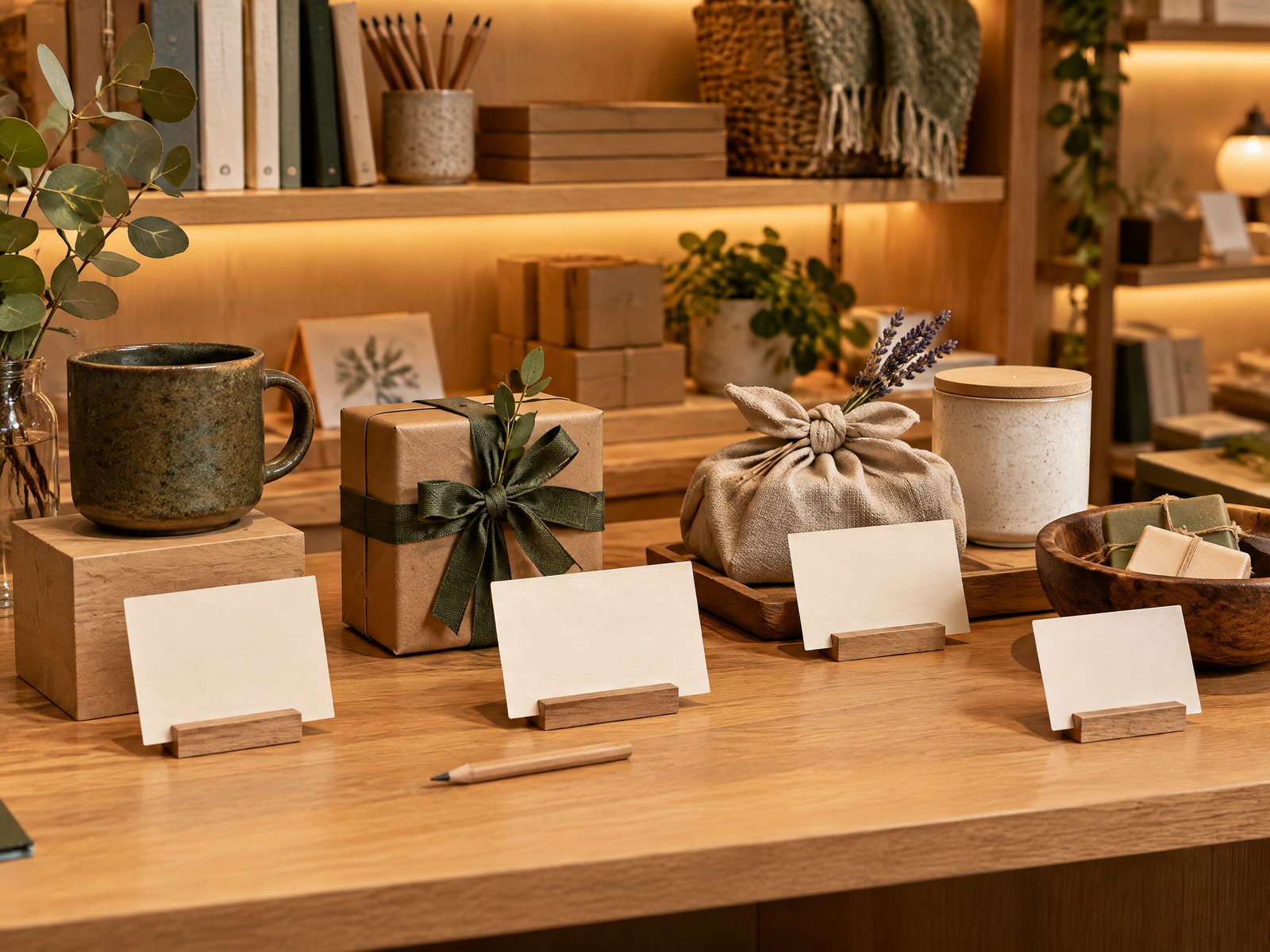
Compact shelves can still create a clear, inviting stationery section. Use these practical display ideas to group products, guide browsing, and make replenishment easier.

A practical guide to choosing journal and planner stickers that fit your pages, planning habits, and personal creative style.

A handwritten card turns a small pause into a personal gesture. Here is why it still matters and how to make your next note feel sincere.

A warm guide to choosing creative keychains for gifts, with ten thoughtful styles and simple ways to make a small present feel personal.

A friendly, practical guide to choosing between vinyl and paper stickers for journals, gifts, labels, and everyday creative projects.

A warm, practical look at the colors, tactile details, and small joyful rituals shaping thoughtful stationery choices in 2026.

A practical, warm guide to pairing small paper goods into a personalized gift bundle that feels intentional from first pick to final note.

Discover how greeting cards became a familiar way to mark milestones, share care, and make everyday connections feel more personal.

A warm, practical guide to choosing scrapbook stickers, combining them with paper goods, and making pages that tell your story.

Thoughtful small gifts turn ordinary moments into warm reminders that someone is seen, remembered, and appreciated.

A warm look at how small stationery stores can keep paper goods useful, personal, and full of possibility.