The future of independent stationery shops is not about recreating the largest marketplace on the internet. It is about offering something a crowded search page cannot: a point of view, a sense of discovery, and a meaningful way to help people stay in touch. A sticker tucked into a notebook, a card chosen for one specific friend, or a keychain that brightens an everyday set of keys can turn an ordinary moment into a personal one.
At Farouk Book Store, an Arizona boutique founded in 2022, we believe paper goods matter because people still want to make things, mark occasions, and give gifts that feel considered. The next chapter for independent stationery shops will be shaped less by chasing every trend and more by paying attention to the rituals customers already value.
Curation will remain a small shop's superpower
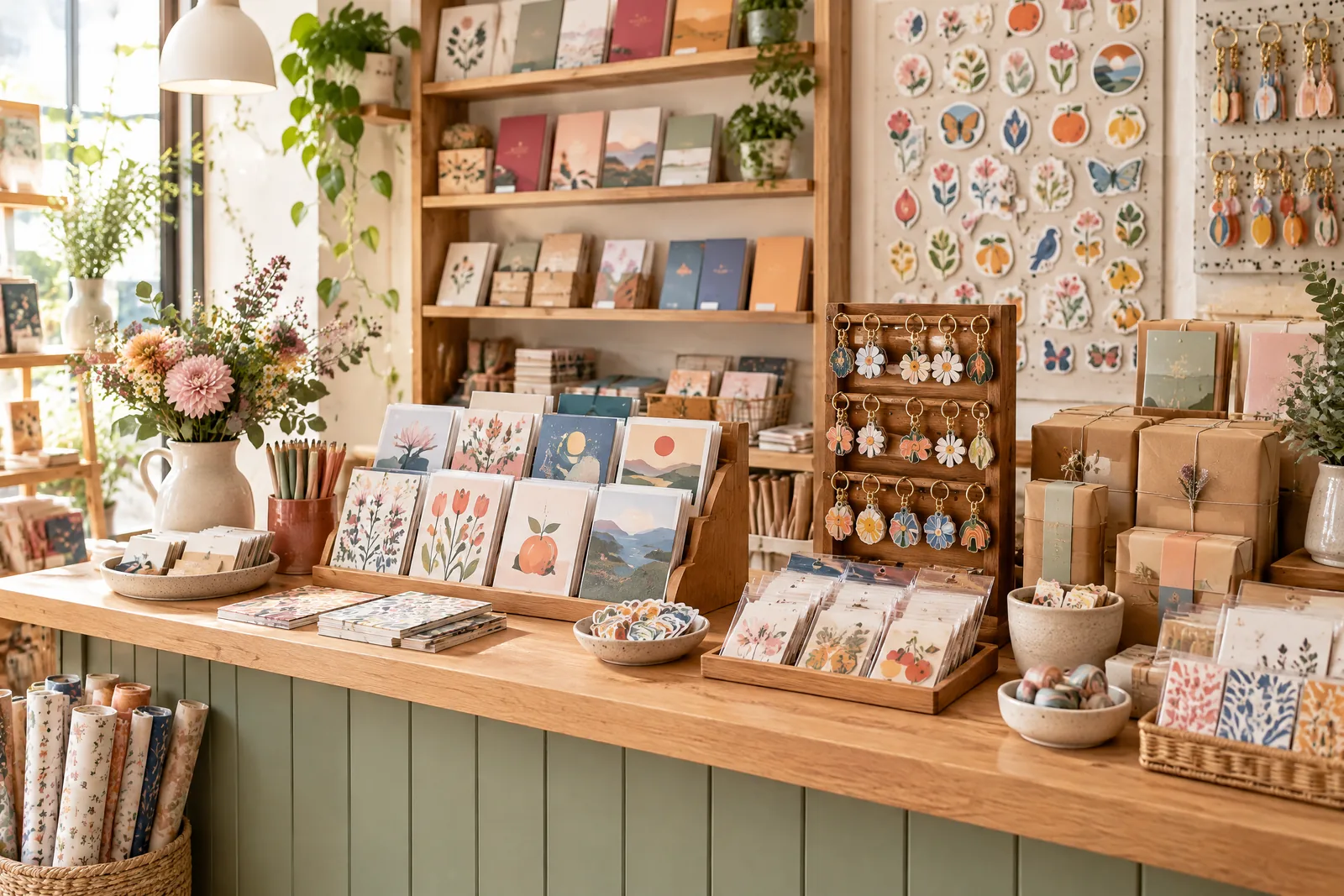
When choices are endless, choosing can become tiring. One of the clearest strengths of independent stationery shops is the ability to edit. A thoughtful selection can say, in effect, that these are the pieces worth a closer look. That is often more useful than presenting hundreds of nearly identical options.
Curation does not mean being exclusive or overly precious. It means building a collection with a purpose. A shop might pair bright stickers with simple journals, stock greeting cards for both milestones and the ordinary Tuesday check-in, or offer playful keychains alongside useful desk accessories. The common thread is not that every item matches. It is that each item earns its place.
For customers, this approach makes shopping easier. They can browse all collections when they want inspiration, then move toward a specific need without feeling overwhelmed. For shop owners, it creates a recognizable identity. Instead of trying to be everything to everyone, a small store can become known for a particular kind of delight: clever illustrations, color-forward desk supplies, charming gifts, or cards that sound like a real person wrote them.
Independent stationery shops can also use curation to make online browsing more human. Product descriptions should answer practical questions about size, material, and best use, but they can also set a scene. Is this sticker for a water bottle, a laptop, or the corner of a letter? Is this card right for a celebration, a thank-you, or an I-was-thinking-of-you note? Helpful context turns a listing into a gentle nudge toward connection.
Small seasonal updates are another way to keep a collection lively without making it disposable. A fresh edit of cheerful paper goods can invite customers back to see what is new while still leaving room for familiar favorites. Our new arrivals are a good place to begin that kind of browse. The goal is not to make anyone feel behind. It is to offer a reason to notice something useful or fun now.
Paper goods still make connection tangible
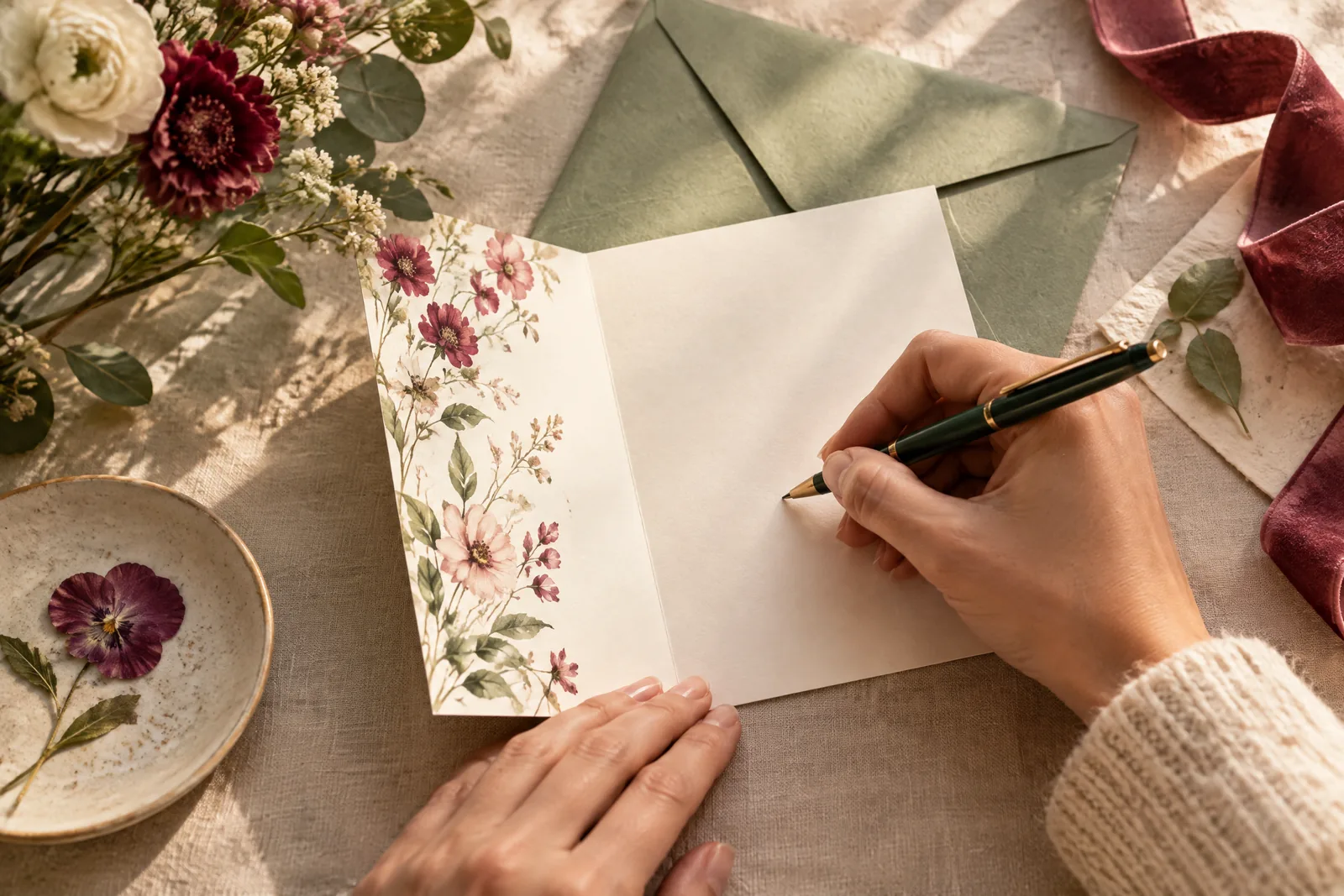
Digital communication is fast, convenient, and often necessary. It also makes a handwritten note stand out. A physical message carries a different pace: someone has to choose the card, write the words, address it, and send it. That small amount of effort tells the recipient that the moment mattered.
This is where independent stationery shops have a lasting role. They can make the act of reaching out feel approachable. A customer does not need a perfect occasion or poetic handwriting to send a card. A short message such as I am glad you are here can be enough. The right greeting card helps people get started, especially when the words are hard to find.
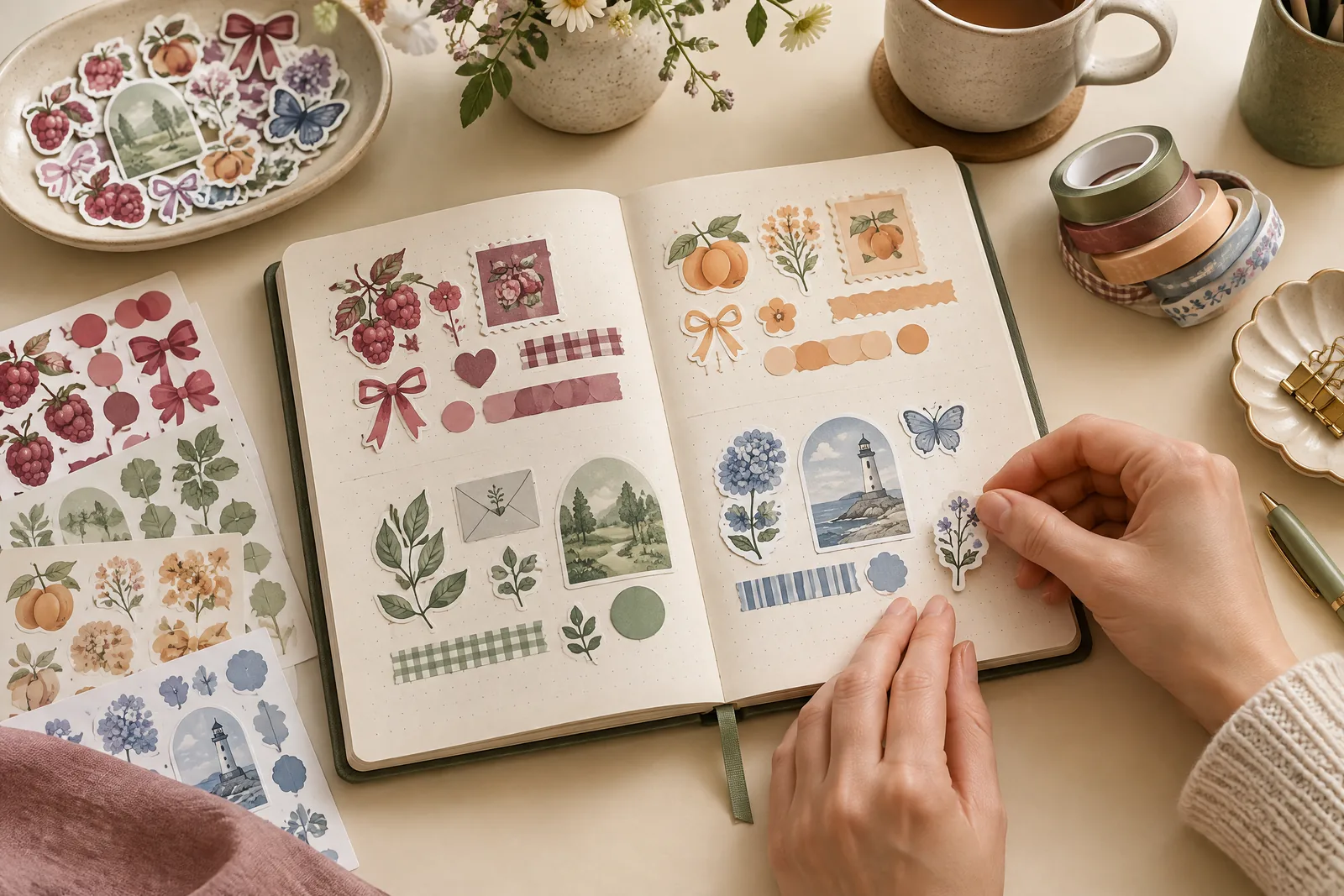
Stationery also supports the private side of life: planning, journaling, sketching, studying, and making lists. These practices do not have to be elaborate to be valuable. Writing down one task, saving a ticket stub, decorating a calendar page, or making space for a favorite quote are all forms of attention. Independent stationery shops can frame a notebook or sticker sheet as a simple invitation to pause and make a moment your own.
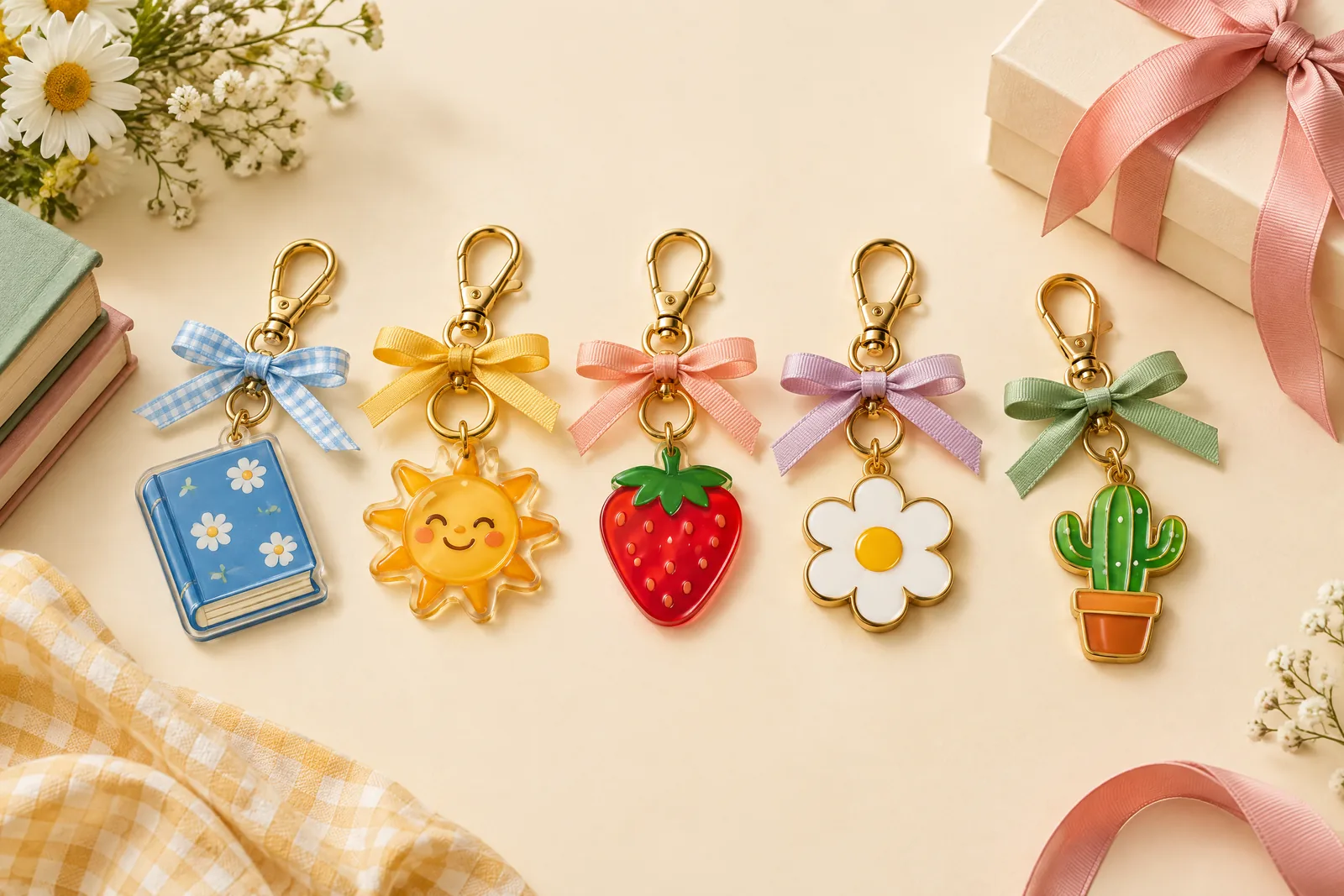
For a boutique, the opportunity is to sell possibilities rather than pressure. A pack of stickers can become a low-stakes creative break. A card can bridge the distance to a faraway friend. A keychain can be a cheerful reminder on a busy morning. Independent stationery shops serve customers best when they show several easy ways an item might fit into real life, rather than insisting there is one right way to use it.
That spirit should extend to all kinds of customers. Some are longtime journal keepers; some only need a birthday card before the weekend. Some want a polished gift; others want one small thing to make their workspace feel more like theirs. Welcoming these different reasons for shopping keeps stationery warm, practical, and accessible.
Community will matter as much as the checkout page
Convenience matters, and an easy online shop is part of good service. Yet the relationship around a purchase often determines whether someone returns. Independent stationery shops are well placed to make that relationship feel human, even when the sale happens online.
It starts with clear, kind communication. Thoughtful shipping updates, straightforward return information, and product details that prevent surprises all show respect for a customer's time. An honest answer when an item is sold out or delayed does the same. Trust is built through small moments of follow-through, not grand promises.
Community also grows through useful conversation. Independent stationery shops can share a simple card-writing prompt before a holiday, suggest ways to organize a sticker collection, or highlight how paper goods fit into school, work, and home life. The purpose is not to turn every post into a sales pitch. It is to give people reasons to return because the shop helps them make, remember, and connect.
Local roots can add another layer. Farouk Book Store began in Arizona, and that perspective can guide a sense of welcome without limiting who belongs. Independent stationery shops may notice regional seasons, celebrate nearby makers when appropriate, or offer the friendly familiarity of a business with a real story. You can learn more about the people and ideas behind our shop on our About page.
The strongest independent stationery shops will make room for feedback, too. Customers often reveal what a store should carry next through the questions they ask: more everyday cards, a certain style of sticker, a gift-ready item, or an easier way to find a favorite category. Listening does not mean adding every request. It means using real needs to sharpen the shop's point of view.
The practical future is flexible, not frantic
A sustainable small shop does not need to adopt every platform, launch every kind of product, or change its look every month. The most promising path is usually a steady one: know what the shop does well, test new ideas thoughtfully, and keep the customer experience clear.
For independent stationery shops, that might mean setting a regular rhythm for new products instead of rushing constant releases. It might mean grouping items into easy gift ideas, creating a reliable restock system for customer favorites, or refining navigation so shoppers can find cards, stickers, and small gifts in a few clicks. A good category page should feel like opening a well-organized drawer, not solving a puzzle.
Flexible merchandising helps, too. A sticker can be an add-on to a birthday card, a keychain can be a small thank-you gift, and a notebook can become part of a back-to-school or new-job moment. These natural pairings help shoppers imagine a complete gift while keeping the tone helpful rather than pushy. They also make independent stationery shops more useful for customers shopping by occasion, budget, or recipient.
The practical side includes boundaries. A boutique does not have to communicate everywhere at once. It is better to maintain a few channels with care than to spread energy across too many. The same is true for product development and promotions. When an idea fits the brand and gives customers a genuine reason to smile, explore it. When it does not, let it pass.
Finally, the future belongs to independent stationery shops that remain easy to talk to. Questions about a product, a gift, or an order should have a welcoming place to go. If you are looking for something specific or want help choosing a cheerful paper good, contact us. A small conversation can be the beginning of a favorite find.
The enduring advantage of a stationery boutique is simple: it can make everyday connection feel more intentional. As technology changes how we shop and communicate, a card with a real message, a sticker that sparks a smile, or a small object chosen with care will continue to have a place. Independent stationery shops do not need to outsize the competition. They need to stay curious, generous, and unmistakably themselves.