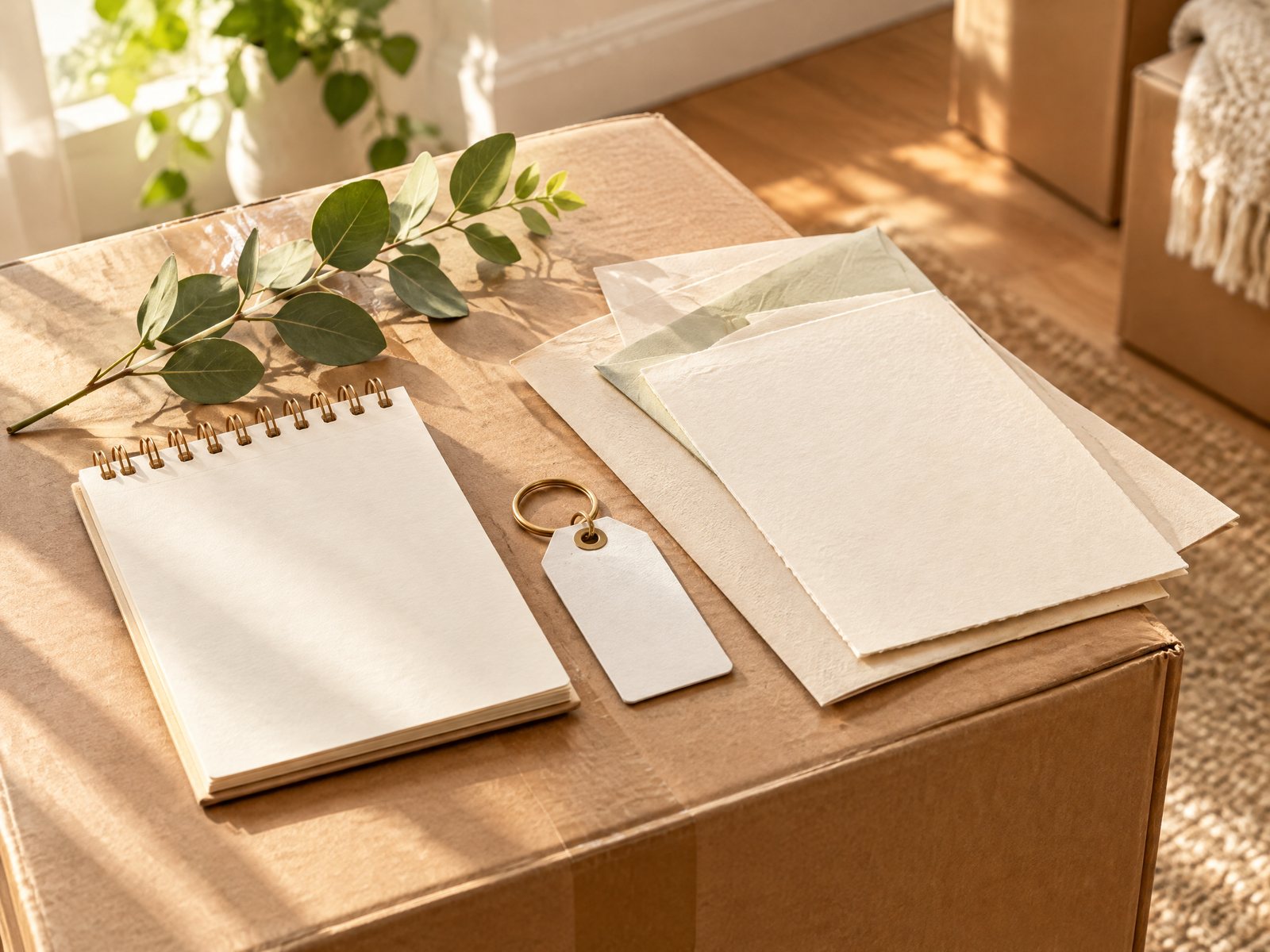
The awkward moment arrives before the first page: everyone has brought a book, but nobody knows whether taking notes will make the gathering feel like homework. A silent reading meetup needs a different kind of preparation. Guests need a clear invitation to read quietly, a place to capture a thought if they want to, and permission to leave without presenting anything. Farouk Book Store’s paper selection can support that low-pressure structure without turning a quiet hour into a formal book club.
The aim is not to produce matching worksheets or force a discussion. It is to make a few small notes available for practical reasons: marking a question, recording a page to revisit, remembering a title someone mentions, or deciding whether to share one observation later. The notes should stay optional from the first message to the last cup of tea.
Decide what the meetup is—and what it is not
Start with a one-sentence description that removes guesswork: “We will read our own books quietly for 45 minutes, with optional conversation afterward.” That sentence does important work. It tells newcomers they do not need to finish a book, prepare a summary, or arrive ready to speak. It also distinguishes the event from a discussion-led book club, where reading the same title and contributing regularly may be expected.
Choose the quiet period before choosing stationery. Forty-five minutes suits a first gathering because it has a visible ending without demanding an entire afternoon. A longer session can be divided into two reading blocks with a short stretch break. Keep the break separate from the reading agreement: people may check in, refill a drink, or remain quiet without having to explain themselves.
Write three boundaries in the invitation rather than announcing a long list at the table:
- Phones can be silenced and kept away, but nobody needs to justify an accessibility or scheduling need.
- Conversation waits until the agreed sharing window, except for practical needs.
- Sharing a note, title, reaction, or recommendation is always optional.
Avoid rules that sound like surveillance. “No noise” is less useful than “Please keep conversation for the sharing window.” “Everyone must participate” defeats the purpose. If the location has its own policies about food, drinks, seating, or reservations, confirm those separately instead of presenting assumptions as meetup rules.
A small welcome card can repeat the basics, but it should not ask for personal information. A first name or preferred way to be addressed may be enough. Do not collect reading preferences, contact details, or photographs simply because a paper system exists. Quiet is easier to protect when participation remains proportionate.
Build an optional pocket-note system
Give each guest one small writing surface and a pencil or pen, then explain three possible uses: “Keep a page reference, catch a passing thought, or save something for the optional share.” That is enough instruction. A blank note is more flexible than a form with rating boxes, mood scales, or required prompts. Someone reading a mystery may need to record a clue; someone reading essays may want one phrase of their own—not a summary of the author’s work.
For a compact, adhesive option, the Writer Aesthetic Cute Sticky Note Memo Pad can sit beside a book without becoming an activity in itself. Use it for a single thought or a page number, not for a running transcript. If a guest dislikes adhesive notes, offer loose cards instead. The choice matters more than a coordinated look.
Farouk’s Notepads collection is a useful place to compare formats for the table: a host might choose one style for quick, removable marks and another for people who prefer a tear-off sheet. Treat the catalog as an editorial selection, not as a promise that every item suits every reader. Check the current listing details before ordering, and confirm availability, taxes, and shipping through the shop’s order process.
A second option is to use a small card for “afterward, maybe.” Give it three unobtrusive lines:
- Book or author to remember:
- One idea I want to keep:
- If I feel like sharing:
The final line is deliberately conditional. It separates private reflection from public contribution. A guest can fill in the first two lines and take the card home without showing anyone. If the group is very small, leave cards in a central tray rather than placing one directly in front of every chair. That lets people opt in quietly.
Avoid printed prompts that reproduce passages from books. Ask for a page reference or an original reaction instead of copying a long quotation. Notes should help readers return to their own experience, not turn the meetup into an unofficial handout for copyrighted text.
Arrange the table for less interruption
Set up the room so the paper does not become the loudest part of the event. Put spare notes, writing tools, and a small discard envelope at one end of the table. Guests can take what they need before the reading block begins. Keep the host’s materials visible but not central; the books should remain the visual focus.
Use a simple seating decision: leave enough space for each book to open comfortably, and do not assume that a shared table is best for everyone. A side chair can support someone who prefers more distance. If the venue permits, make the quiet zone obvious with a small card that says “Reading time until 7:15” rather than relying on repeated announcements.
Plan for predictable failure cases. If a pen runs dry, the host should have two spares in one place. If adhesive notes begin sticking to books, redirect them to the paper or the table edge; do not attach anything to another person’s book without permission. If someone arrives late, greet them with a gesture and a spare note rather than a spoken orientation that interrupts the room. If a guest needs to leave early, a quiet wave or pre-agreed exit is sufficient.
A tempting mistake is to place conversation starters at every seat. That can make silence feel like a test people are failing. Instead, keep two or three optional prompts in the host’s pocket for the sharing window:
- What did you choose to read today, if you want to name it?
- Did one idea change the way you were reading?
- What would you like to return to later?
These questions invite specificity without requiring a verdict. “I read three pages and got distracted” is a valid experience; the meetup does not need to convert every session into a productivity report.
For a more visual note style, Reading Room Note Cards | Kawaii Aesthetic Stationery can serve as optional take-home cards. Use them as a choice, not a uniform assignment. A guest who prefers a plain scrap of paper should not have to explain that preference.
Close with choices, not a round of reports
Give the room a clear transition: “The quiet block is finished. You are welcome to keep reading, chat briefly, or head out.” This wording prevents the end from becoming another obligation. Leave five to ten minutes for people who want to share, but do not call on anyone by name. The host can offer one observation first, then let the silence after it remain comfortable.
If several people share titles, record only the titles they volunteer. A communal list can be useful, but ask before photographing or circulating it. Someone may be reading a private memoir, studying a sensitive subject, or simply prefer not to have their choice connected to their name. A no-photo option should be ordinary, not dramatic.
Offer three exit paths for the notes:
1. Take it home. The reader keeps a page reference or a future-reading thought. 2. Place it in a voluntary recommendation tray. The host can type or rewrite only what the writer agrees may be shared. 3. Discard it privately. A note does not become group property merely because it was written at the meetup.
The tray works best when every card has a clear consent mark, such as “share this title” or “private.” Do not infer permission from a card being left behind. When in doubt, discard it. This small habit protects the relaxed character of the event better than a polished recap does.
After the meetup, send a short message only if people opted into follow-up. Thank them for joining, mention the next quiet reading time if one is actually planned, and avoid promising a regular schedule unless it has been confirmed. If you need to ask Farouk Book Store about a product selection or order request, use the contact page; for context about the shop’s editorial selection, see About Farouk Book Store.
A successful silent reading meetup may produce almost no visible output. That is not a failure. The useful result could be one remembered page, a new title written on a pocket note, or simply an hour in which nobody had to perform their reading for anyone else. With optional paper, explicit boundaries, and a gentle ending, the gathering can remain social without becoming noisy—and structured without becoming a class.
Related reading: How to Start a Reading Journal You Will Actually Use, Reading Journal Prompts Beyond Ratings and Summaries, and How to Use Reading Log Bookmarks to Track Your Books.