Some days are not dramatic enough for a crisis card, yet they still feel heavy: a disappointing meeting, a tense commute, a lonely evening, or a morning when every small task takes extra effort. That is where encouragement note ideas can help. A short, thoughtful message gives someone a moment of recognition without asking them to explain everything or feel cheerful on demand.
The aim is not to solve a person’s problem from a distance. It is to say, “I see that today is hard, and you do not have to carry the feeling alone.” The most useful note is specific enough to feel personal, gentle enough to avoid pressure, and brief enough to read when attention is limited.
Start with the right kind of encouragement
Before choosing words, decide what the recipient may actually need. Encouragement can mean reassurance, company, appreciation, permission to rest, or a small reminder of their own capability. If you are unsure, choose steady companionship rather than advice.
Match the message to the moment
- For an exhausting workday: “You handled a lot today. You do not have to finish everything tonight.”
- For a quiet disappointment: “I know this did not go the way you hoped. It makes sense to feel let down.”
- For an anxious morning: “One step is enough for now. You can take the day in smaller pieces.”
- For a friend who is withdrawing: “No need to reply. I just wanted you to know I am thinking of you.”
- For someone starting again: “A slow restart still counts. I am proud of the effort you are making.”
Notice that these lines do not promise a perfect outcome. They acknowledge the feeling and reduce the pressure to perform happiness. Avoid phrases such as “Everything happens for a reason,” “Cheer up,” or “Others have it worse.” Even when meant kindly, they can make an ordinary difficult day feel like something the recipient is failing to handle correctly.
A useful three-part structure is notice, affirm, offer: name what you have observed, affirm that the feeling is understandable, then offer a simple form of support. For example: “You have been juggling a lot lately. It is okay if today feels messy. I can listen, bring dinner, or simply sit with you.” Only offer what you can genuinely do; a vague promise can feel less comforting than a sincere sentence.
Write a note that feels personal, not polished
A personal encouragement note usually needs one true detail. Mention the exam they have been preparing for, the first week in a new role, the care they have shown a family member, or the ordinary routine you know has been difficult. Specificity tells the reader that the note was written for them, not copied from a collection of slogans.
Try this fill-in formula:
> “I know [specific situation] has been a lot. I hope you remember [quality or effort you have noticed]. For today, [small permission or practical wish]. I am here [specific offer].”
Examples:
- “I know the new schedule has made this week tiring. You have still been thoughtful with everyone around you. Please let tonight be simple. I can call after dinner if you want company.”
- “I know you were hoping for a different answer. Your disappointment is valid, and it does not erase how much work you put in. Take the next hour gently; I am here when you want to talk.”
- “You have been showing up even when motivation is low. That quiet persistence matters. Drink some water, take one small break, and remember you can message me without explaining.”
Keep the note in your natural voice. If you normally use humor, a tiny familiar joke may help, but do not make the recipient’s difficulty the punchline. If your relationship is formal, write warmly without sounding overly intimate. “Wishing you a calmer afternoon” may be better for a colleague than “I love you,” while “I am in your corner” may suit a close friend.
Use a name or familiar sign-off when it feels natural. A handwritten date can also help the recipient remember when the support arrived. Do not over-edit the message until it sounds like a greeting-card company wrote it; a slightly imperfect, honest sentence is often more comforting.
Choose a note format that lowers the effort to receive it
The physical format should make the message easy to notice and easy to keep. For a quick desk drop, a small card with three or four lines is enough. For a longer message, use a larger card or write on both sides only if the recipient enjoys reading longer notes. The goal is not to fill the available space; it is to make the words easy to absorb.
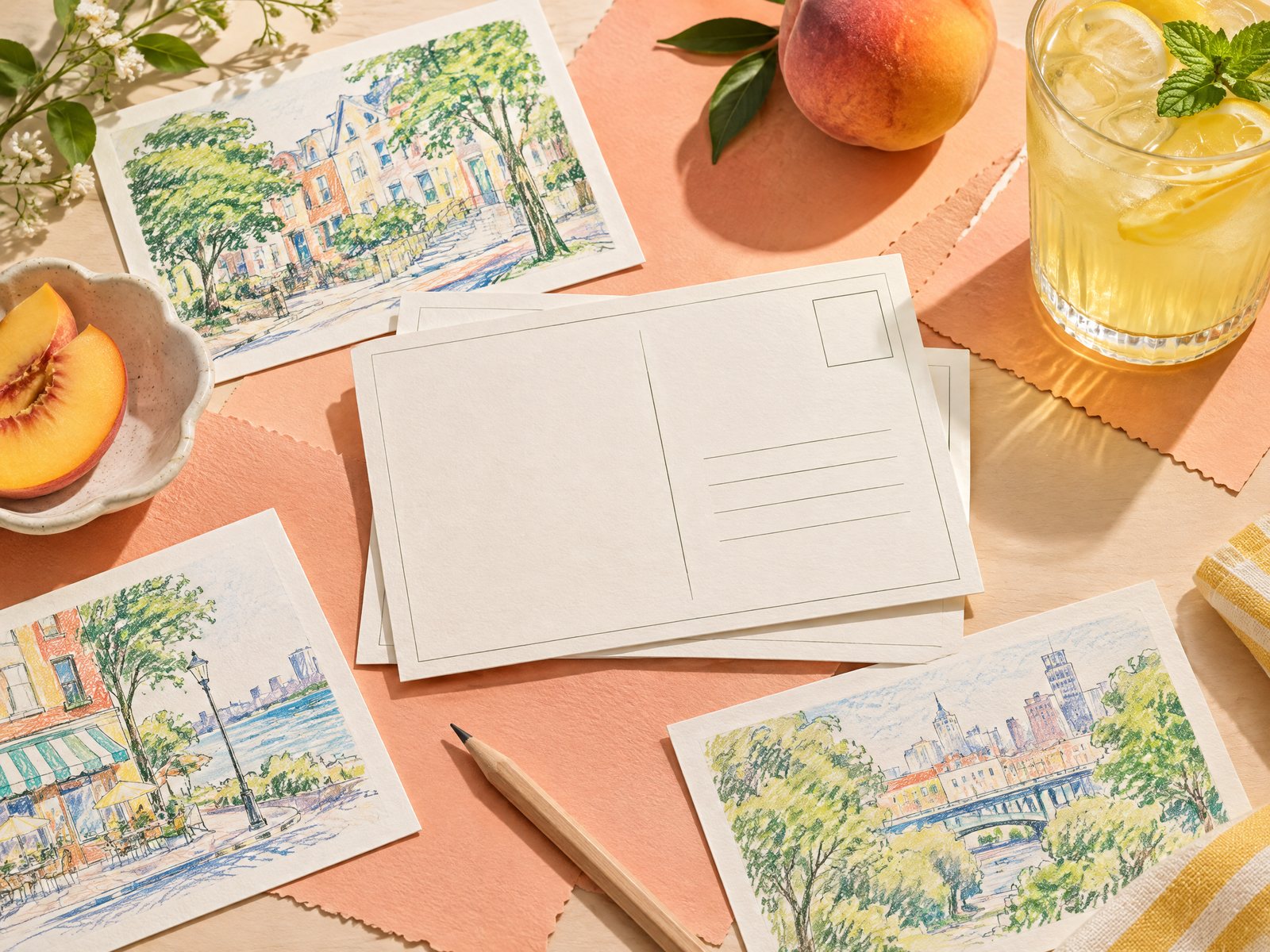
The Note Cards collection is a practical place to compare formats for this kind of message. The Starry Clouds Note Cards, for example, are 3 x 5 inch cards sold in a bundle of 50, with one lined side and one unlined side. That gives you a clear writing side for a message and a blank side for a small drawing, a list of gentle reminders, or a personal memory. If you prefer a calmer, study-inspired look, Study Night Note Cards offer the same 3 x 5 inch format with a ruled side and a blank reverse.
Choose the design based on the recipient, not only your own taste:
- Pick a soft or uncluttered design for someone who may feel overwhelmed by visual busyness.
- Choose a playful design when a familiar, cheerful detail would make the note feel like you.
- Use a lined side when your message is prose; use the blank side for a small sketch, a simple checklist, or a few words in larger lettering.
- If the person keeps meaningful paper items, select a card that is comfortable to store in a journal, planner, or desk drawer.
Troubleshoot the format before writing. If your handwriting is small, draft the note on scrap paper and check that it can be read comfortably. If the recipient has limited energy, put the main reassurance in the first two lines rather than burying it at the end. If you are mailing the note, leave enough room for an address and use a reliable envelope; if you are leaving it in person, place it somewhere they will find it without creating a public moment.
Turn a short note into ongoing support
A note can be a single kindness, but it can also open a low-pressure path to connection. End with a choice rather than a demand. “Would you like a call, a walk, or quiet company?” gives the recipient control. “Let me know if you need anything” is well meant but requires them to invent a request; a specific option is easier to accept.
Consider these endings:
- “No reply needed. I just wanted this to reach you.”
- “I can listen, help with one practical task, or give you space—your choice.”
- “I will check in on Friday, but you do not need to have good news.”
- “If today is a low-capacity day, send me a single dot and I will understand.”
- “Keep this for the next difficult hour: you are allowed to go slowly.”
Be careful with follow-up promises. Offer a check-in only if you can keep it, and avoid turning support into a progress report. If the recipient does not respond, do not immediately assume the note was unwelcome; they may be tired, busy, or unsure what to say. Give space, then follow up simply: “Thinking of you today. No need to answer.”
If the difficulty sounds urgent, a note should not be the only support. Encourage the person to contact someone they trust or an appropriate professional or local service, especially if they mention being unsafe or unable to cope. You do not need to diagnose the situation. A caring note can accompany real help, but it should not pretend to replace it.
The strongest encouragement note is modest: one clear observation, one kind truth, and one manageable offer. Write it when the day is ordinary and difficult—not only when you have the perfect words. A small card on a desk, beside a cup of tea, or inside a book can remind someone that being seen is itself a form of support.
Related reading: Why Handwritten Greeting Cards Still Matter · How to Build a Personalized Gift Bundle · Why Small Gifts Create Big Connections