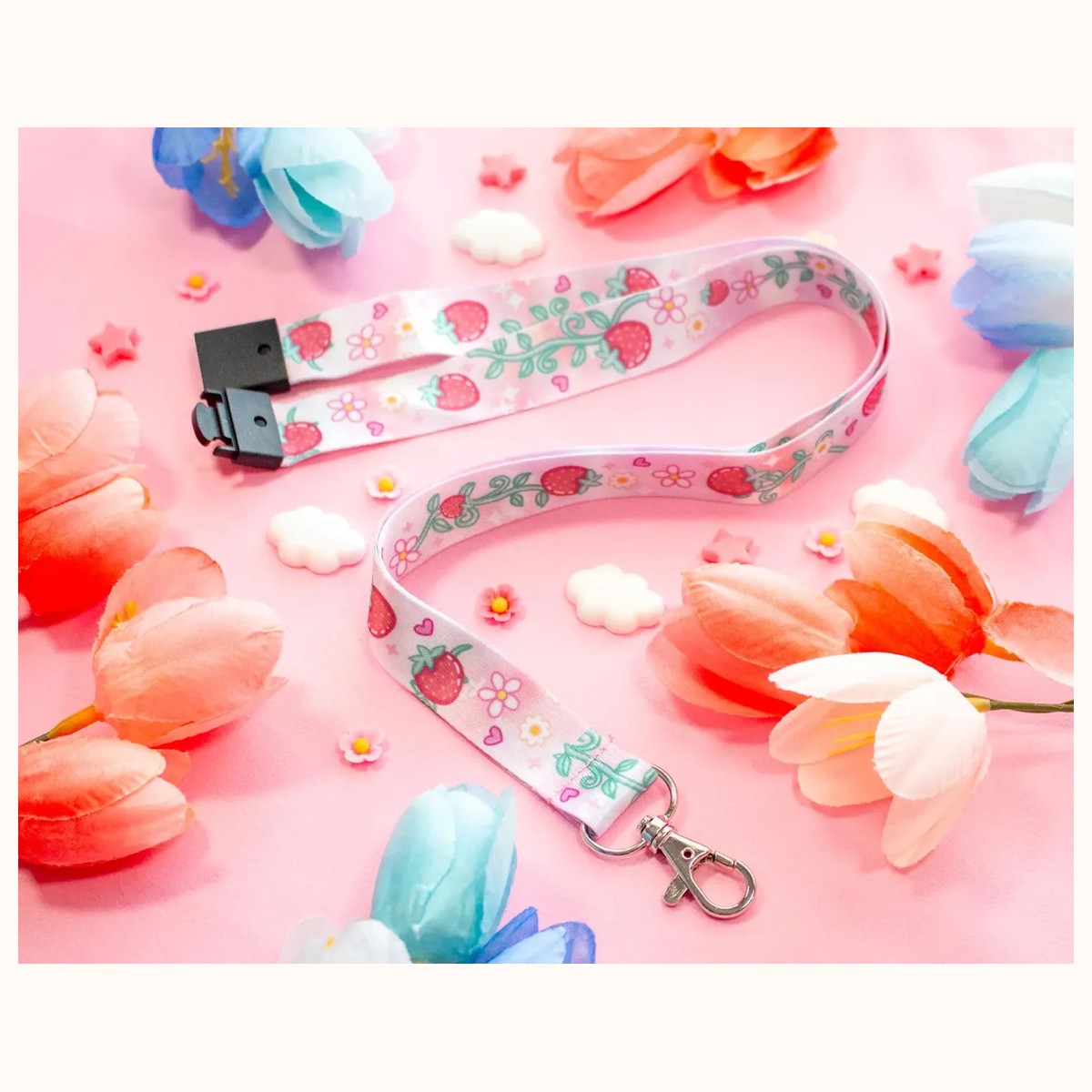
A breakaway lanyard can keep an ID badge, access card, keys, or a small tool close at hand without requiring you to search through a bag. This breakaway lanyard guide explains how to choose one for ordinary daily carry, set it up, wear it comfortably, and spot problems before they become inconvenient. The key idea is simple: the attachment should be useful, while the breakaway point should be treated as a safety feature—not as a replacement for sensible weight limits or careful inspection.
Start with the job your lanyard must do
Begin by listing what will actually hang from the lanyard. A single staff badge has a different need from a badge plus two keys and a small access fob. For everyday carry, keep the load light and compact. A lanyard is convenient for items you need repeatedly, but it is not automatically suitable for heavy tools, a large key collection, or anything that could injure someone if it swings.
Think about access frequency. If you show an ID card at a reader several times a day, a neck-worn lanyard may be faster than keeping the card in a wallet. If you only need the badge once in the morning, a bag clip or pocket holder may be less distracting. A lanyard is most useful when the item needs to stay visible, easy to reach, or difficult to misplace.
A breakaway design is especially worth considering where the strap could catch on a handle, chair, cabinet, machinery, or another person. Its release point is intended to separate under tension, which can reduce a snagging risk. However, do not assume every breakaway mechanism releases at the same force or in every direction. Avoid pulling it deliberately, attaching it to a moving object, or using it where workplace rules require a specifically approved badge system.
Length affects both comfort and access. The lanyards in Farouk Book Store’s lanyards collection are described at approximately 3/4 inch wide and about 18 inches long on each side, including the clasp. That gives a practical reference point: worn around the neck, the clasped item should sit where you can reach it without leaning forward or repeatedly tugging the strap. A shorter wearer, a child, or someone wearing a bulky coat may prefer a different fit, so use the listed dimensions as guidance rather than a promise of identical comfort for everyone.
Before buying, ask four quick questions:
- Will the lanyard carry one badge, or several small items?
- Does the item need to be visible, or merely easy to reach?
- Could the strap catch on furniture, equipment, or a vehicle seat belt?
- Do your workplace, school, event, or building rules specify a particular holder or attachment?
These answers narrow the choice more effectively than appearance alone. A decorative pattern can be a pleasant bonus, but reliable access, appropriate weight, and a sensible wearing situation come first.
Set up the badge and attachments correctly
A good setup keeps the badge facing the right way and avoids putting unnecessary strain on the strap. Start with the clasp open and the lanyard lying flat. Attach the badge holder’s hole, slot, or ring to the metal lobster claw clasp. Close the clasp fully, then give the badge a gentle hand check—enough to confirm that it is seated, not enough to yank the breakaway point.
If the badge has a thin slot, use a small badge loop or plastic strap if needed rather than forcing a thick clasp through it. If you are carrying keys, connect a key ring to the clasp and keep the number of keys modest. Do not wedge several bulky rings together if doing so prevents the clasp from closing. A clasp that is partly open is a setup problem, not a lanyard problem.
Keep attachments from stacking directly over the breakaway section. The release point should remain free to work rather than being covered by a badge sleeve, knot, tape, or extra accessory. Never tie the two sides together, sew across the release point, or add a clip that effectively locks the strap into one continuous loop. Those changes can defeat the reason for selecting a breakaway style.
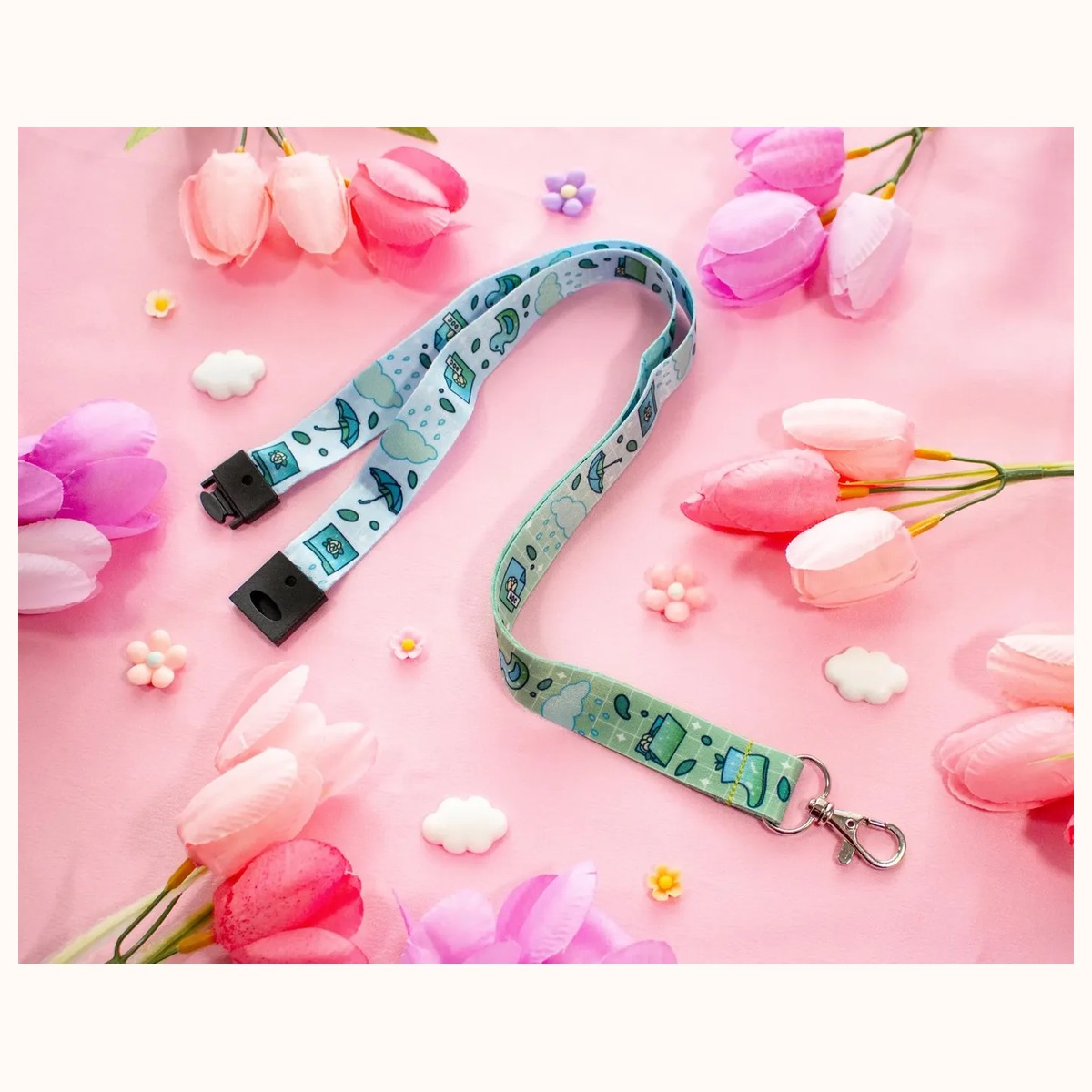
For an example with a clear everyday use case, see the Rainy Day Breakaway Lanyard. Its catalog description identifies a polyester strap, a breakaway safety attachment, and a metal lobster claw clasp for badges, key rings, or small items. Treat those details as a guide to the listed design, while checking the product page for the current description before ordering.
The same setup logic applies to themed alternatives such as the Game Time Breakaway Lanyard, Sakura Breakaway Lanyard, and Sunflower Dreams Breakaway Lanyard. Choose among them by the pattern you like after confirming the attachment, dimensions, and intended load suit your routine. Product colors can look different under indoor lighting or on different screens, so do not use an online image as a substitute for checking the written details.
Wear it comfortably and use it safely
Place the strap around your neck without twisting it. The clasp should hang in front, where you can see and reach the badge. If the badge keeps rotating, first check whether the holder is attached at an angle. A vertical badge sleeve often behaves better when the clasp is centered rather than pulled to one side. If the item swings while walking, reduce the number of attachments or move the badge inside a clear holder with a little structure.
Avoid wearing a lanyard under conditions where a neck strap could become caught. Examples include operating equipment, climbing, cycling in traffic, working near rotating parts, or handling a task where the strap could snag on a door or vehicle control. A breakaway feature may help in a tension event, but it should not be treated as permission to wear a neck lanyard in a hazardous setting. Remove it or secure the badge another way when the environment changes.
Be careful with seat belts, backpack straps, and coat zippers. A lanyard can become uncomfortable when several straps cross at the same point. Before sitting in a car, check that the badge is not trapped beneath the belt. Before putting on a backpack, let the lanyard sit on top of the clothing or choose a bag attachment instead. If the clasp repeatedly catches, that is a signal to change the carrying method.
Use a practical weight rule: carry only what you would be comfortable holding lightly between two fingers. The catalog descriptions for these lanyards mention badges, keys, and small tools, but they do not define a universal safe load. Avoid hanging scissors, large multi-tools, heavy key bundles, or objects with sharp edges unless the relevant workplace guidance specifically permits it. Keep valuables and essential keys separate if losing the lanyard would create a serious problem.
For shared offices, schools, or events, label the back of the badge with a contact method allowed by your organization, not with unnecessary personal information. If the badge grants access, turn it face inward when you do not need to display it. That small habit reduces casual exposure while preserving quick access at a reader or checkpoint.
Inspect, clean, and troubleshoot before replacing
Give the lanyard a quick inspection when you put it on, especially after it has caught on something. Look at the webbing for fraying, cuts, pulled stitching, or a section that has become unusually thin. Check that the breakaway connection sits flush and has not been forced apart. Examine the lobster claw for bending, a weak spring action, or a gate that does not close fully.
If the clasp opens unexpectedly, remove the lanyard from service until you find the cause. First test it with the badge removed: does the gate close and stay closed? Next check whether the badge ring is too thick or is pressing sideways against the gate. A crowded ring can hold the clasp open. If the clasp still fails to close, replace the lanyard rather than trying to reshape the metal with pliers.
If the breakaway point separates during ordinary movement, reduce the attached weight and inspect for twisting. A bag strap or coat collar may be catching it. Reconnect only according to the product’s intended configuration; do not glue, tape, knot, or permanently fasten the release point. If it continues to release without a clear snag, stop using it and contact the store through the contact page for product-specific verification.
If the strap feels too short, do not add a homemade extension by tying another cord to it. A knot can create a pressure point, change how the release works, and make the badge swing unpredictably. Instead, compare the listed dimensions with your preferred wearing position and choose a different carrying method if the fit is not right.
For routine cleaning, follow the product’s care information if it is provided. In the absence of specific instructions, remove the badge and wipe the strap and clasp gently with a slightly damp cloth, then let them dry completely before wearing. Avoid soaking the metal hardware, using harsh chemicals, ironing the strap, or placing it in a dryer. If the strap remains damp, smells musty, or develops visible damage, pause use and replace it.
The right breakaway lanyard is a modest everyday tool: useful when its length, attachment, and load match your routine, and safer when you respect its limits. Check the product details, set up the clasp carefully, remove the lanyard in snag-prone situations, and inspect it after unusual tension. With those habits, badge carry can stay accessible without becoming an avoidable distraction.
Related reading: How to Build a Personalized Gift Bundle · 10 Best Creative Keychains for Thoughtful Gifts · Why Small Gifts Create Big Connections